
If you are looking for a back specialist in Charleston you are probably not just browsing casually. You are likely dealing with persistent back pain that is stealing your sleep, limiting your movement, and making normal life significantly harder than it should be. The simple act of bending down to tie your shoes, lifting a grocery bag, or even just sitting at your desk can feel like a monumental task.
Perhaps you have already tried the standard routes: rest, stretching, over-the-counter medications, and maybe even a few sessions with a massage therapist or chiropractor. Maybe you felt some relief, but it was fleeting, or perhaps it never came at all. It is incredibly easy to feel frustrated, isolated, or worried that this pain is your new normal. You might start to wonder if you are just supposed to live with it.
But here is the truth: you are not broken, and you are certainly not out of options. More often than not, chronic pain persists not because it is untreatable, but because it is under-diagnosed. The key to lasting relief is finding a medical partner who can look beyond the surface-level symptoms and uncover the true source of your discomfort.
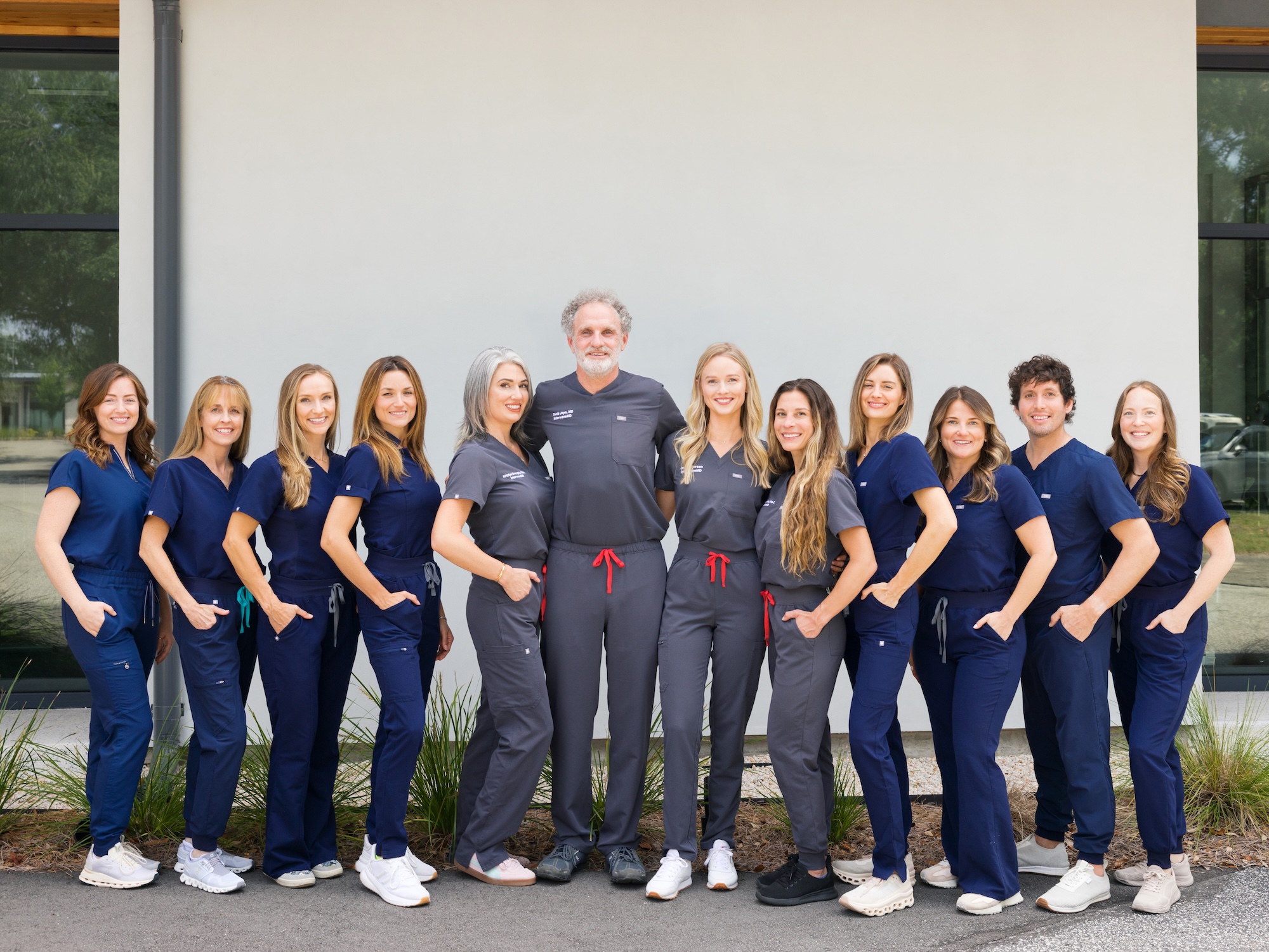
Dr. Todd Joye is a leading expert in pain management, he and our experts at InterveneMD created this comprehensive guide is designed to help you make a smart, informed decision quickly and confidently. We will walk you through what a back specialist actually does, how to decode your specific symptoms, and exactly what questions to ask to ensure you receive the expert, medically guided care you deserve. Your journey back to a pain-free life starts with finding the right guide.
How To Know If You Need to See a Doctor
Not every ache or strain requires an orthopedic visit, but certain signs mean it’s time to seek expert care. We recommend scheduling a visit with a back specialist in Charleston if you experience:
- Persistent pain that doesn’t improve with rest, physical therapy, or over-the-counter treatments.
- Limited mobility or stiffness that affects daily activities like walking, bending, or lifting.
- Joint swelling, redness, or warmth, which could indicate inflammation or injury.
- Numbness, tingling, or weakness in your arms or legs, suggesting nerve involvement.
- Recent injury or trauma, such as a fall, sports injury, or accident.
- Structural concerns, like scoliosis, spinal deformity, or suspected fractures.
Orthopedic evaluation ensures you get the right diagnosis and treatment plan—whether that’s conservative care, physical therapy, or surgical options. Early assessment often leads to faster recovery and better long-term outcomes.
Why “Back Specialist” Can Mean Different Things
When people search for a “back specialist in Charleston,” they might be referring to several different types of highly trained healthcare providers. The “best” one for you depends entirely on your specific symptoms, how long you have had them, and the root cause of your pain. Think of it like hiring a contractor for your house; you wouldn’t call a plumber to fix your roof. Similarly, matching your back issue to the right specialist is the most critical first step.
Here is a more detailed breakdown of the experts you might encounter on your search:
Chiropractic Care and Physical Therapy
Both chiropractic care and physical therapy are widely recognized for their roles in the management of back pain and musculoskeletal conditions. Chiropractors focus on diagnosing and treating mechanical disorders of the spine and joints, often utilizing manual adjustments to improve spinal alignment, relieve pain, and enhance mobility. Many patients find chiropractic adjustments beneficial for certain types of back and neck pain, especially when combined with exercise and lifestyle changes.
Physical therapists, on the other hand, specialize in restoring function and movement through customized exercise programs, manual therapy, and patient education. Their expertise helps address muscle imbalances, improve posture, and build strength and flexibility—key elements in both acute injury recovery and long-term back health. A strong physical therapy program not only helps decrease pain but also empowers you with tools and techniques to prevent future flare-ups and improve overall quality of life.
Orthopedic Spine Specialist
These are board-certified surgeons who have completed additional fellowship training focused specifically on the spine. They are the structural engineers of the back. An orthopedist is typically the right choice if you have a significant structural problem, such as advanced spinal degeneration, scoliosis (spinal deformity), fractures, or severe spinal instability.
While they are surgeons, a good orthopedist will exhaust all reasonable non-surgical options first. They should spend time confirming your diagnosis and ensuring that conservative care has truly failed before recommending an operation. Their expertise lies in surgically correcting anatomical issues that are unlikely to resolve on their own.
Neurosurgeon (Spine)
Neurosurgeons who specialize in the spine also perform complex spinal surgeries, but their training has a primary focus on the central and peripheral nervous system. You might be referred to a neurosurgeon if your back pain involves significant nerve compression. This includes symptoms like severe, progressive weakness in your leg, numbness that affects your daily function, or a large disc herniation that is causing serious neurological deficits.
While there is a lot of overlap between orthopedic spine surgeons and neurosurgeons, the latter are uniquely trained to operate on issues inside the spinal canal, such as spinal cord tumors or tethered cord syndrome.
Interventional Pain Specialist
Interventional pain specialists are highly trained in procedures designed to reduce or block pain signals, providing options that range from targeted injections to advanced, minimally invasive techniques. Their backgrounds often include anesthesiology or physiatry, combined with fellowship training in pain management. Traditionally, their toolbox consists of epidural steroid injections, facet joint injections, nerve blocks, and radiofrequency ablation—all effective approaches for managing intense pain and helping patients re-engage with movement and rehabilitation.
However, the field of interventional pain is rapidly evolving. Many of today’s most advanced pain specialists now incorporate regenerative medicine options such as prolotherapy and platelet-rich plasma (PRP) injections alongside classic treatments. These regenerative therapies are designed not just to mask symptoms, but to actively promote healing by stimulating your body’s natural repair processes. Prolotherapy uses targeted injections to encourage tissue repair and strengthen ligaments, while PRP involves concentrating your body’s own growth factors to accelerate recovery in joints, discs, or connective tissue. This shift toward regenerative options reflects a broader trend in modern pain management: prioritizing improved long-term function, not just temporary relief.
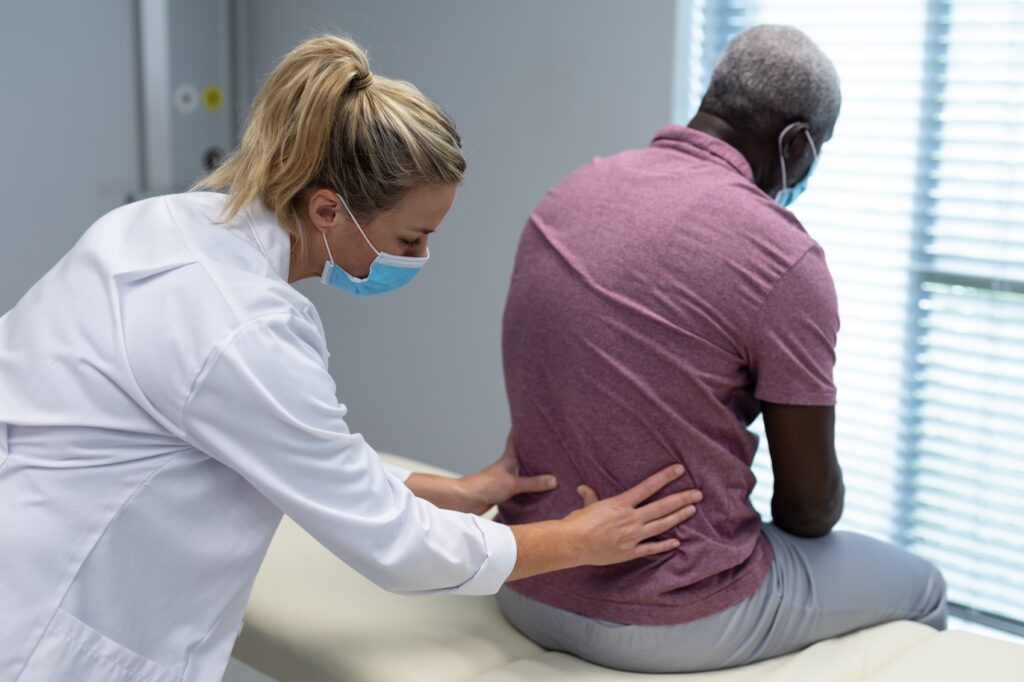
When searching for a back specialist in Charleston, it’s important to look for providers who stay at the forefront of these innovations—professionals who continually update their methods, offer comprehensive assessments, and integrate new discoveries into patient care. The best specialists are those who blend proven techniques with emerging therapies, customizing your treatment plan based on your unique history and healing goals.
When Back Pain Is a Medical Emergency
Most back pain, while miserable, is not imminently dangerous. However, certain “red flag” symptoms require immediate medical evaluation. If you experience any of the following, do not wait for a specialist appointment—go to an urgent care center or an emergency room right away.
- New Loss of Bowel or Bladder Control: This is the most critical red flag and can signal Cauda Equina Syndrome, a serious condition requiring emergency surgery.
- Numbness in the Groin or “Saddle” Area: This refers to the parts of your body that would touch a saddle if you were riding a horse. This type of numbness is also a sign of severe nerve compression.
- Progressive Weakness in the Leg or Foot: This is more than just a feeling of tiredness. It is a noticeable decline in strength, such as an inability to lift your foot off the ground (“foot drop”).
- Severe Pain Following a Major Trauma: Any intense back pain after a car accident, significant fall, or other major impact warrants an immediate evaluation to rule out a fracture.
- Systemic Symptoms: If your back pain is accompanied by a fever, chills, or unexplained weight loss, it could indicate an underlying infection or tumor.
- Unbearable, Constant Pain: Pain that does not improve with any change in position, especially if it wakes you from sleep, needs to be investigated promptly.
If none of these apply to you, you have time to be deliberate and thoughtful in choosing your back specialist in Charleston.
What to Expect at Your First Appointment
A great medical appointment should leave you feeling informed and confident, not confused. If you leave a doctor’s office feeling rushed, dismissed, or unsure about your health, it’s a sign you haven’t found the right care team. At InterveneMD, we prioritize clear communication and thorough evaluation when you need to see our back specialist in Charleston. Here’s what a quality first visit for back pain looks like and what you can expect from our approach.
- A Detailed History
A quick exam without a real conversation is a major red flag. Your doctor should be an attentive listener, acting like a detective to piece together the clues of your condition. Expect questions that go far beyond “where does it hurt?” A thorough history will include:
- The Story of Your Pain: When did it start? Was there an inciting event? What does it feel like (sharp, dull, burning, aching)?
- Pain Patterns: What activities make the pain better or worse? Does it travel from your back down your leg? Is it worse in the morning or at the end of the day?
- Previous Treatments: What have you already tried? Be specific. Did physical therapy help at all? Which exercises made it worse? Did injections provide temporary relief? Understanding why past treatments failed is key to finding one that works.
- Functional Impact: How does the pain affect your life? Does it disrupt your sleep? Limit your ability to work? Prevent you from enjoying your hobbies? This helps the doctor understand the severity and urgency of your situation.
- A Focused Physical Exam
After listening to your story, the doctor needs to see how you move. A comprehensive exam is not just about poking your back. It usually includes:
- Observation: Evaluating your posture and how you walk (gait).
- Movement Testing: Checking your range of motion in your spine (bending forward, backward, and side-to-side).
- Neurological Screening: Testing your reflexes, muscle strength, and sensation to check for nerve involvement.
- Palpation: Carefully feeling the muscles, ligaments, and bones of your spine and pelvis to pinpoint sources of tenderness.
- Screening Other Joints: A great clinician will also screen your hips, as hip problems like arthritis or impingement frequently mimic low back pain.
- A Clear Working Diagnosis
By the end of the visit, you should have a clear answer to the question: “What do you think is causing this?” A good doctor will explain their reasoning in plain language, connecting your symptoms and their exam findings to a likely cause. You should understand what is most likely causing your pain and what the plan is to confirm it. For example, they might say, “Based on your leg pain and the results of your nerve stretch test, I suspect a disc is irritating a nerve. The next step is to confirm that with an MRI.”
- Imaging With a Purpose
Many patients assume an MRI is the first and most important step, but that is not always true. A great clinician uses imaging to confirm a working diagnosis, not to create one out of thin air. An MRI of someone over 40 without back pain will likely show “abnormalities” like disc bulges. The key is correlating the imaging findings with your specific symptoms.
- X-rays: Excellent for assessing bone alignment, arthritis, and fractures.
- MRI: The best tool for visualizing soft tissues like discs, nerves, muscles, and ligaments.
- CT Scan: Provides highly detailed views of the bone, useful for complex fractures or pre-surgical planning.
- A Stepwise Plan
You should leave the office with a clear roadmap for the next few weeks and months. A good plan is logical and progressive. It usually involves:
- Reduce Acute Pain and Inflammation. This might involve activity modification, targeted injections, or specific medications.
- Restoring Stability and Function. Once the pain is under control, the focus shifts to rehabilitation. This means targeted physical therapy to strengthen the deep core muscles that support the spine.
- Building Resilience. The final phase is about preventing relapse. This includes building long-term strength, improving movement patterns, and giving you the tools to manage flare-ups on your own.
Common Causes of Back Pain and Modern Treatments
Medical jargon can be overwhelming. Here is a translation of common diagnoses into plain English, along with an overview of how they are treated, moving from conservative care to more advanced options.
Muscle Strain and Ligament Sprain
This is what most people think of when they say they “threw out” their back. The muscles tighten and spasm to protect an underlying injured or unstable area. While the muscle pain is real, it is often a symptom, not the root cause. The goal is to find out why the muscle is guarding in the first place. Is it protecting a weak disc? An arthritic joint? Or is it due to underlying spinal instability?
Disc Bulge or Herniation
Your spinal discs are the gel-filled cushions between your vertebrae. With age or injury, a disc can bulge (like a tire with a weak spot) or herniate (the inner gel leaks out). If the disc material presses on a nearby nerve root, it can cause sciatica—radiating pain, numbness, or tingling that travels down the leg.
Spinal Stenosis
This refers to a narrowing of the spaces within your spine, which can put pressure on the spinal cord or nerve roots. It is often caused by a combination of bulging discs, thickened ligaments, and overgrown facet joints (spinal arthritis). The classic symptom is pain that worsens with standing or walking and improves when sitting or leaning forward (like on a shopping cart).
SI Joint Dysfunction
The sacroiliac (SI) joint connects the base of your spine (the sacrum) to your pelvis. It is a very common but often overlooked cause of low back pain, typically felt to one side, near the “dimples” of the lower back. This pain can also refer to the groin or buttock.
Lumbar Instability
Your spine is supported by a “tension system” of deep muscles and ligaments. When this system is weak or injured, the larger, more superficial muscles have to overwork to keep you stable. This often leads to a deep, achy fatigue by the end of the day or significant stiffness and pain upon waking in the morning. It feels like your back has no support.
Treatment Options: From Conservative to Advanced Regenerative Care
There is no single “magic bullet” for back pain. The right treatment must match the right diagnosis and not every instance of pain will require a visit to a back specialist in Charleston.
Before diving into specific interventions, it’s crucial to recognize that your body doesn’t heal in isolation. Wherever you are on your journey—whether you’re facing long-term pain, new symptoms, or recurring setbacks—lasting recovery happens when you address the full environment of your injury.
Truly effective healing requires supporting cellular function, optimizing your immune system, improving mitochondrial health, and applying functional medicine principles to identify and treat the deeper imbalances that could be holding you back. Advanced tools like peptide therapies may also help repair and regenerate tissue at the cellular level.
You can’t fully fix back pain or knee arthritis by only targeting the problem area with steroid shots, physical therapy, pain medications, or even surgery.
Most providers are trained to focus solely on the obvious pain generator and may overlook signs of systemic stress, hormonal imbalances, nutritional deficiencies, or inflammation elsewhere in the body. Instead, seek out a provider, like our trusted back specialist in Charleston, who will partner with you, look beyond your symptoms, and help you restore balance and resilience throughout your whole system—because the path to lasting relief starts by treating you as a whole person, not a set of disconnected parts.
Conservative Care is usually the first step when you visit our back specialist in Charleston. This includes activity modification (avoiding painful movements, not total bed rest), high-quality physical therapy targeted to your specific deficits, and ergonomic coaching for your daily life.
Injections can be incredibly helpful when a specific structure—like an irritated nerve or an arthritic joint—is the primary pain generator. Epidural steroid injections or facet injections can reduce inflammation and pain enough to allow you to engage in rehabilitation effectively. They tend to work quickly, as in 1-3 days, but often do not give long lasting relief.
Regenerative Medicine Options
Regenerative Medicine is an exciting and rapidly evolving field that aims to help the body heal itself to offer long term relief. For back pain, this often involves:
Prolotherapy: This treatment involves injecting a dextrose solution into weakened ligaments or tendons. This creates a mild, controlled inflammation that stimulates the body’s natural healing cascade, encouraging the growth of new, stronger tissue. It is particularly effective for chronic pain related to ligament laxity and spinal instability.
Platelet-Rich Plasma (PRP): PRP therapy uses a concentration of your own blood platelets, which contain powerful growth factors. This concentrate is injected into the injured area—such as a degenerated disc, arthritic facet joint, or torn ligament—to amplify your body’s repair signals and promote tissue regeneration.
These regenerative options are ideal for patients who have not found relief with traditional care but want to avoid surgery. They focus on healing the underlying tissue injury rather than just masking the pain.
Surgery is generally reserved for cases where there is progressive neurological weakness, dangerous instability, or severe nerve compression that is not responding to any other form of care. A trustworthy specialist is neither “anti-surgery” nor “surgery-first”—they are “accuracy-first.”
Checklist: How to Choose the Best Back Specialist Near You
When you are comparing options, use this checklist to ensure you get the best possible care whether you’re at the chiropractor or looking for a back specialist in Charleston.
- Experience With Your Type of Pain: If you have shooting leg pain, look for a provider with expertise in nerve issues and disc problems. If your pain is a dull, constant ache related to instability, find a specialist experienced in prolotherapy or regenerative medicine.
- A Thorough, Unrushed Evaluation: Does the doctor listen intently? Do they explain things in a way you can understand? You should feel like a partner in your care, not just a passive recipient of a diagnosis.
- A Full Spectrum of Options: The best clinics offer a wide range of tools. You want a provider who has multiple non-surgical and surgical options at their disposal, not someone who pushes the same procedure for every patient. Be wary of a practice that only offers one solution.
- Coordination of Care: Can the clinic easily coordinate imaging, referrals, and rehabilitation? High-quality care should feel seamless, not like a logistical headache you have to manage on your own.
- Positive Reviews Focused on Clarity and Results: When reading patient reviews, look for recurring themes like, “They finally figured out the root cause,” “They explained my MRI so I could understand it,” and “For the first time, I have a clear plan and hope.”
Empowering Questions to Ask Your Doctor
To ensure you get the most out of your appointment, go in prepared. A back specialist in Charleston worth your time will welcome these questions and answer them clearly and confidently.
“What is your primary diagnosis for my pain, and what evidence supports it?”
“Is my pain more likely coming from a disc, joint, nerve, or ligament?”
“What is our concrete plan for the next 2 to 4 weeks?”
“If this initial plan doesn’t provide significant relief, what is the next logical step?”
“Beyond just relieving the pain, how will we work to prevent this from coming back in the future?”
Guidance Changes Outcomes
If you have been stuck in a cycle of chronic back pain, the solution is rarely to just “try harder” or “push through it.” The solution is to get a better strategy. Most people do not fail treatments because their bodies are beyond help; they fail because the diagnosis was incomplete or the care was fragmented and uncoordinated.
You have the right to understand your body and your health. By finding a back specialist who offers diagnostic clarity, personalized guidance, and a comprehensive, logical plan, you can finally stop guessing and start healing. If you need the guidance of a back specialist in Charleston, InterveneMD is ready to help.