You might assume that a ligament tear is an injury exclusive to professional athletes. But the truth is, anyone can experience an unexpected twist or fall.
Maybe you were skiing the slopes, playing with your grandchild, or running a quick 5k—something you’ve done dozens of times—and felt a sudden pop. For some, the body’s natural healing abilities get to work repairing the injury and strengthening the ligament over the subsequent weeks.
For others, however, a ruptured ligament may fail to heal properly on its own, resulting in lingering pain and a limited range of motion. At InterveneMD, our providers can personalize precise prolotherapy injections to support your body’s healing process and ease pain along the way.
Keep reading to learn more about your ligaments and how we can support their reconstruction after trauma with prolotherapy near Daniel Island.
What Are Ligaments?
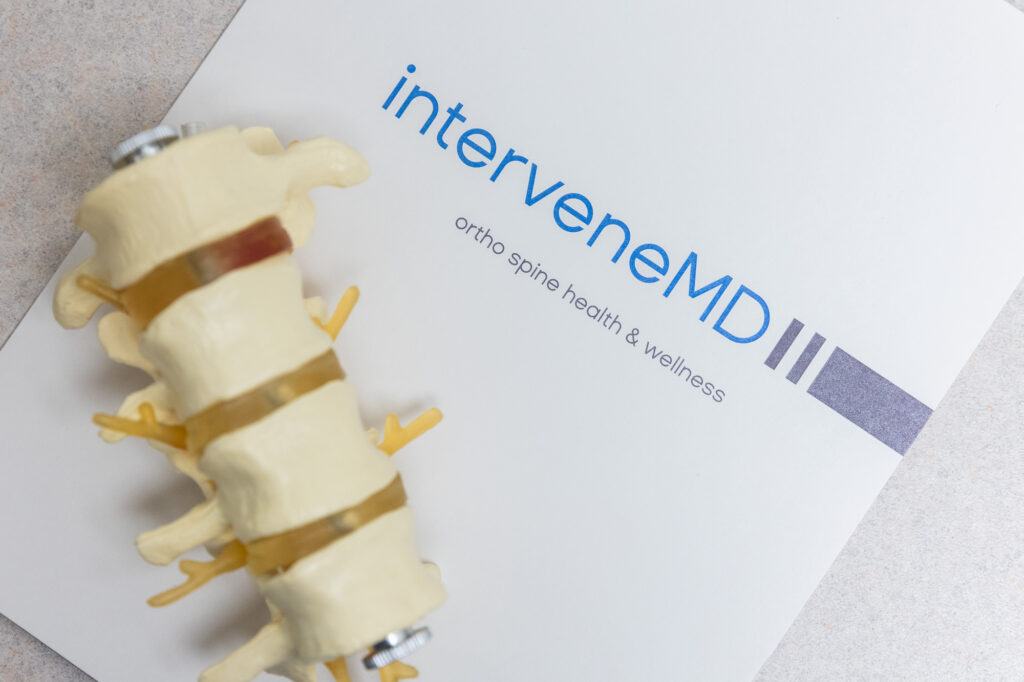
Ligaments are cable-like structures which hold your bones together and allow you to walk and move without falling apart. Though this connective tissue is flexible, ligaments do not stretch very far.
Injuries like a ligament sprain might occur when you:
- Twist a knee
- Take a bad fall
- Suffer from whiplash
- Lift an object that is too heavy
Once you tear or fray these cord-like structures, the injuries kick-start your internal healing process to repair the injured ligament.
The Healing Process
This healing process is called inflammation. Inflammation has several distinct phases: acute inflammation, granulation, and remodeling.
Each phase has its own cellular and chemical processes. Every step of the healing process is dependent upon the completion of the previous phase. Understanding your body’s inflammatory response is key to gaining insight into how regenerative therapies like prolotherapy near Daniel Island can address your pain.
The First Phase of Inflammation
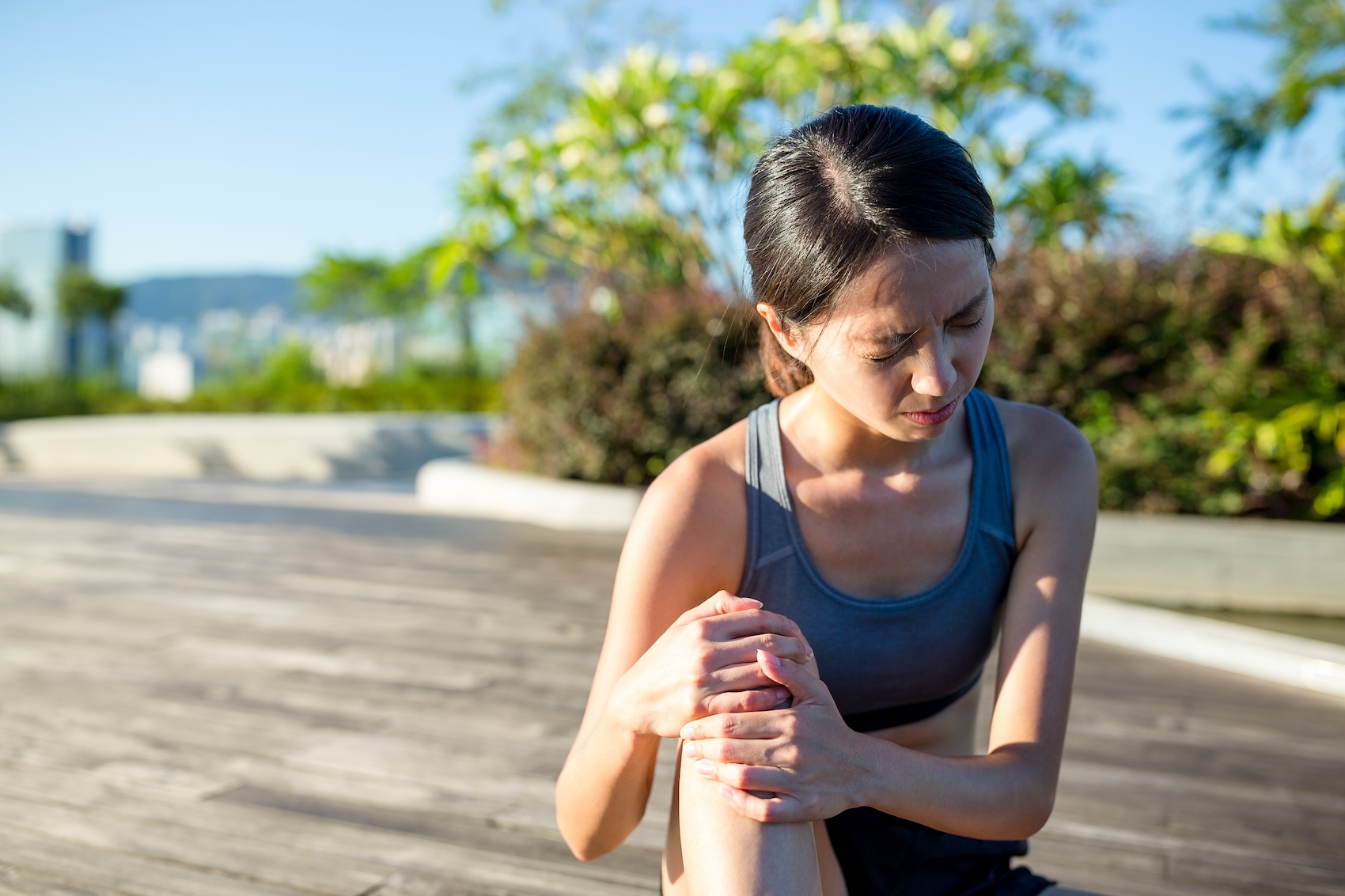
The first phase is called acute inflammation and is about 100 hours long. This step begins at the time of injury, when ligaments and the adjacent cells are broken open and their contents spill at the wound site.
The ligaments and cellular debris and a number of chemicals in the fluid or plasma around the broken cells attract an influx of white blood cells called leukocytes. Their job is to clean out the bacteria and prevent infection at the injury site.
Many of the chemicals released during this phase will be broken down into messengers, or chemical signals that tell cells to become active or inactive during this phase of inflammation. Some of these chemicals are called prostaglandins, which can cause pain at the site.
The Second Phase of Inflammation
The leukocytes also secrete hormones, which attract an important cell known as a macrophage. The arrival of macrophages at the injury site signals the beginning of the next phase in the healing process: the granulation phase.
As the macrophages arrive at the injury site, they begin to “clean up” the area through a combination of digesting the broken-down cell parts and secreting enzymes, which break down many of the damaged ligament molecules. The macrophages also release a number of hormones which summon more cells to the injury site.
The macrophages also release growth factors, which stimulate the growth of new blood vessels, the development of the intercellular matrix, and the cells that will make new ligaments. These specialized cells that make ligaments are called fibroblasts. These fibroblasts are responsible for repairing the sprained ligament.
Fibroblasts will find the site where the ligament structures attach to the bone: the fibro-osseous junction. The chemicals and hormones released by the macrophage stimulate, or “turn on,” the fibroblasts, prompting them to make new ligaments. When these fibroblasts are turned on, they rapidly make massive amounts of collagen, the basic building blocks of ligaments.
With the influx of these cells and the new blood vessels, you may notice a thickness or fullness at the injury site. The granulation phase usually takes place over the course of 10 days to 2 weeks.
The Third Phase of Inflammation
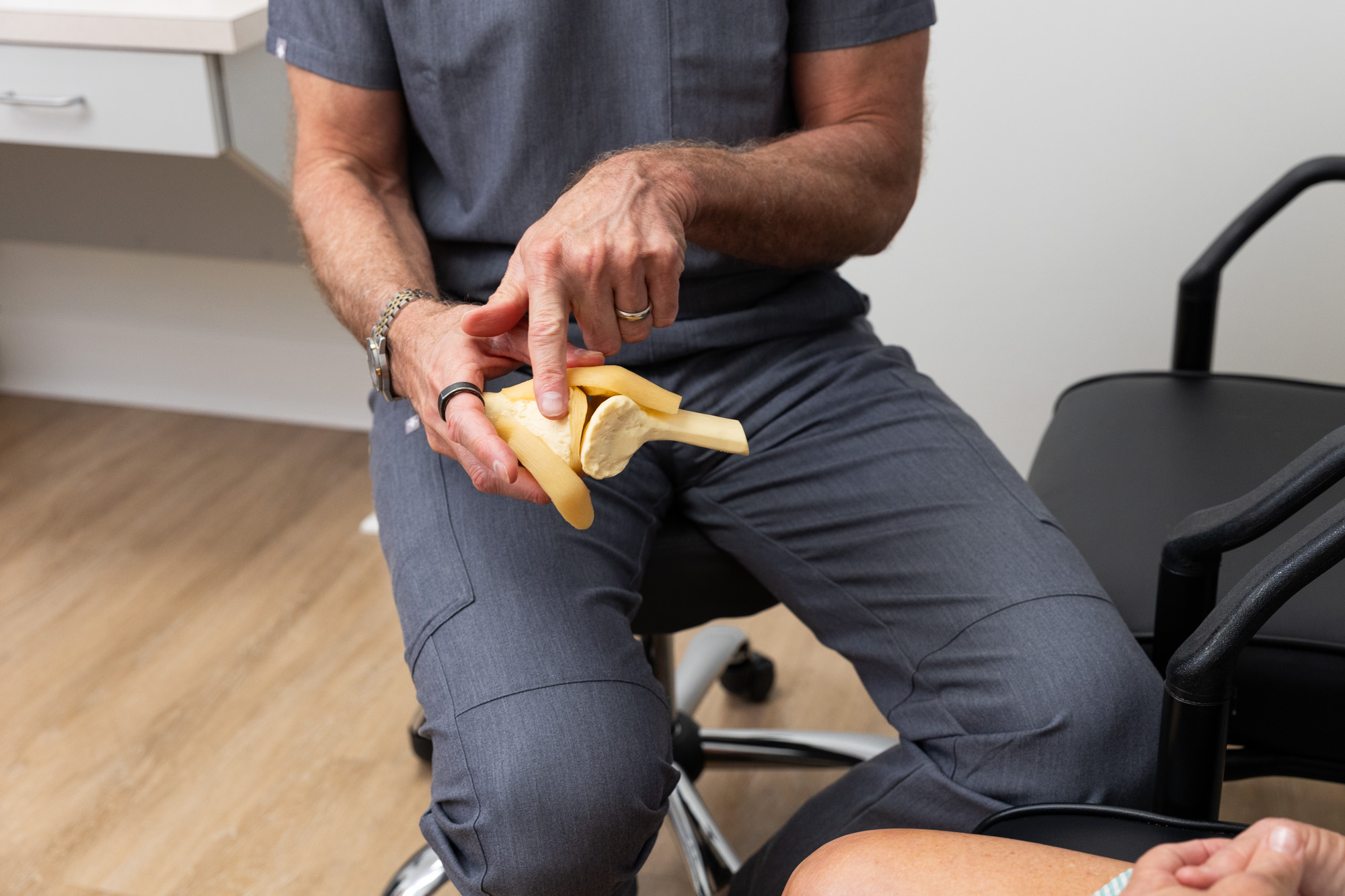
The third phase of healing is called remodeling, or wound contraction. During this phase, the new collagen deposited at the injury site organizes to form a new ligament. The fibroblasts make single long molecules which, when outside of the cell, will begin to entwine around each other, forming what we call a collagen fiber. Strong chemical bonds hold together the individual molecules.
As the collagen fibers wind around each other, they contract, the molecules becoming shorter and tighter. Water is squeezed out (like squeezing a sponge), which also causes shrinkage.
As the millions of collagen fibers lose water and shrink, the ends of the ligament will slowly draw together, decreasing painful, destabilizing laxity.
During the third phase of the healing process, all the cells originally present to “clean up” the wound are recalled from the body. All that remains at the injury site are the active fibroblasts, which continue to secrete collagen and other substances to further fortify the tissue’s integrity.
This third phase of inflammation lasts for several weeks, and the “new” ligament tissue will not reach its maximum strength for several months.
What Does Healing Feel Like?
You know this process is happening when you feel pain and heat, notice swelling, and cannot move the injured joint. If the healing process is completely successful, then the ligaments will return to their normal strength and length, and you can return to your normal activities. If this healing process does not completely work, the ligaments may heal stretched.
This “stretched out” ligament can cause pain and discomfort with movement. When a ligament is strained or injured, some strands making up the cable-like structure become over-stretched and broken. The torn or strained ligament is really millions of tears in these collagen strands.
Loose ligaments allow the joint to move beyond its normal range of motion. This abnormal movement can cause pain.
Some also experience sensations of numbness or tingling, common symptoms of referred pain. Referred pain stems from ligament laxity around the joint, but is felt at some distance away from the injured joint. For instance, you may tear a ligament in your shoulder, but feel pain in your wrist.
The abnormal joint movement also provokes protective responses from adjacent tissues. Surrounding muscles will contract, attempting to pull the joint back to the correct location or stabilize it to protect it from further damage. We then feel the muscle spasms commonly associated with ligament laxity.
Your Treatment Options
There is a tendency to treat the muscle spasms as the primary cause of pain and discomfort, when in truth, the ligamentous strain is the root of these concerns.
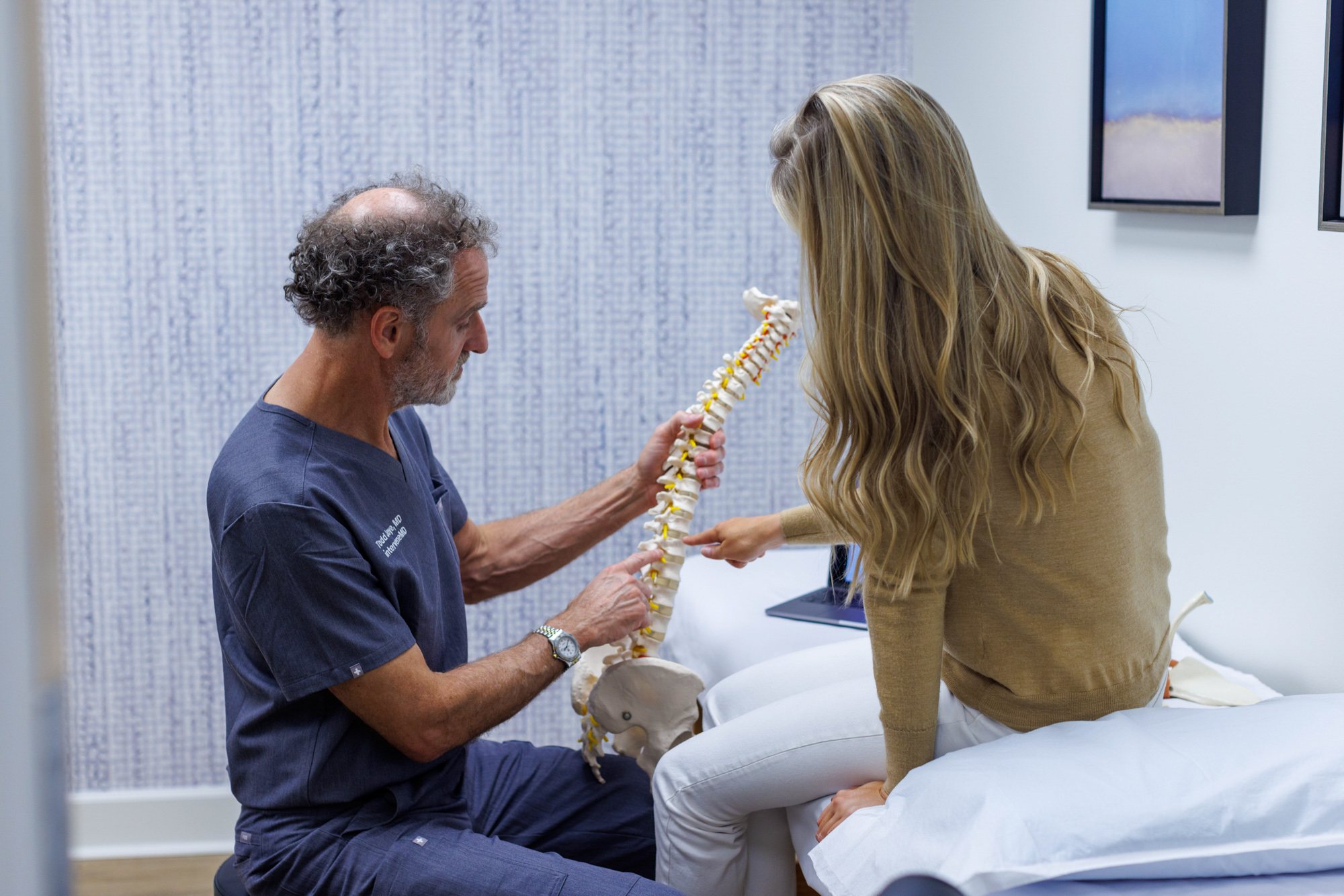
If the joint is slightly out of place because of ligament laxity, it may respond to manipulative care, as with physical therapy. Such manipulative techniques can bring temporary relief to some people. However, many patients need ongoing support as the ligaments heal—not just pain management.
One of the top nonsurgical treatments for a ligamentous strain or laxity problem is prolotherapy near Daniel Island. Targeted prolotherapy enables us to address your healing response on a cellular level, steadily easing muscle spasms, loss of movement, and painful sensations.
Prolotherapy
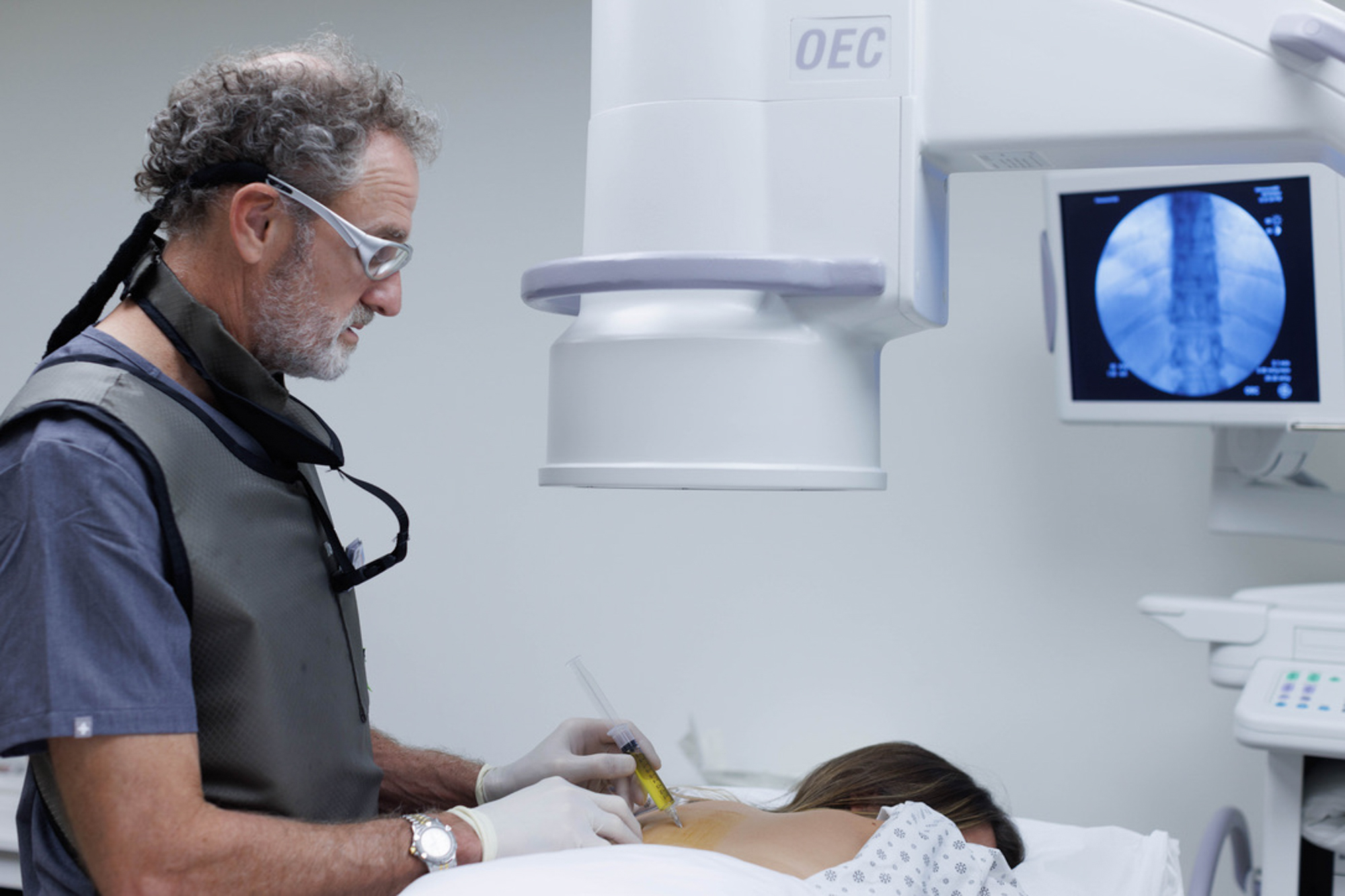
Prolotherapy near Daniel Island addresses your pain at the root by harnessing your restorative power from within. This therapeutic procedure uses platelet-rich plasma (PRP) and human growth hormone (HGH) derived from your blood. During treatment, your expert provider administers the healing serum in a series of targeted injections around the affected joints and ligaments.
As your body absorbs the injections, the PRP and HGH accelerate your natural repair processes. The PRP stimulates new blood vessel genesis, collagen fiber development, and cellular proliferation, all of which support stronger, tighter connective tissues. Similarly, HGH promotes rapid fibroblast synthesis and collagen production to aid in ligament remodeling.
The healing process is a steady one, as the injections gradually bolster tissue regeneration internally. Many patients return for up to 5 sessions of prolotherapy near Daniel Island, often enjoying improved function, comfort, and stability within 4 months of treatment.
For patients looking to avoid surgical intervention, prolotherapy near Daniel Island can be ideal. This treatment method helps many individuals living with pain find lasting relief, enabling them to live fuller, healthier lives.
Partners in Your Care
Your treatment at InterveneMD is not an impersonal, one-off experience. Our expert providers work with you to tailor a wellness plan that helps you achieve true vitality.
As we speed up your natural inflammatory response and strengthen your tissue with prolotherapy, your InterveneMD provider can also guide you through additional therapies like Vasper exercise to help you maintain joint health as you recover. Some patients also opt to undergo shockwave therapy to further bolster tissue repair.
With thoughtfully curated therapies, we can do more than get you back on your feet—we can help you do more of what you love in comfort.
Defeat Pain Naturally With Prolotherapy
When your body’s natural inflammatory response falls short in healing a strained or lax ligament, you don’t have to accept a life of pain and reduced mobility. Harness your natural power for repair with prolotherapy near Daniel Island and find enduring relief.
Some Content Courtesy of the American Association of Orthopaedic Medicine, Primary Authors Michele Fecteau DO and Tom Ravin, MD