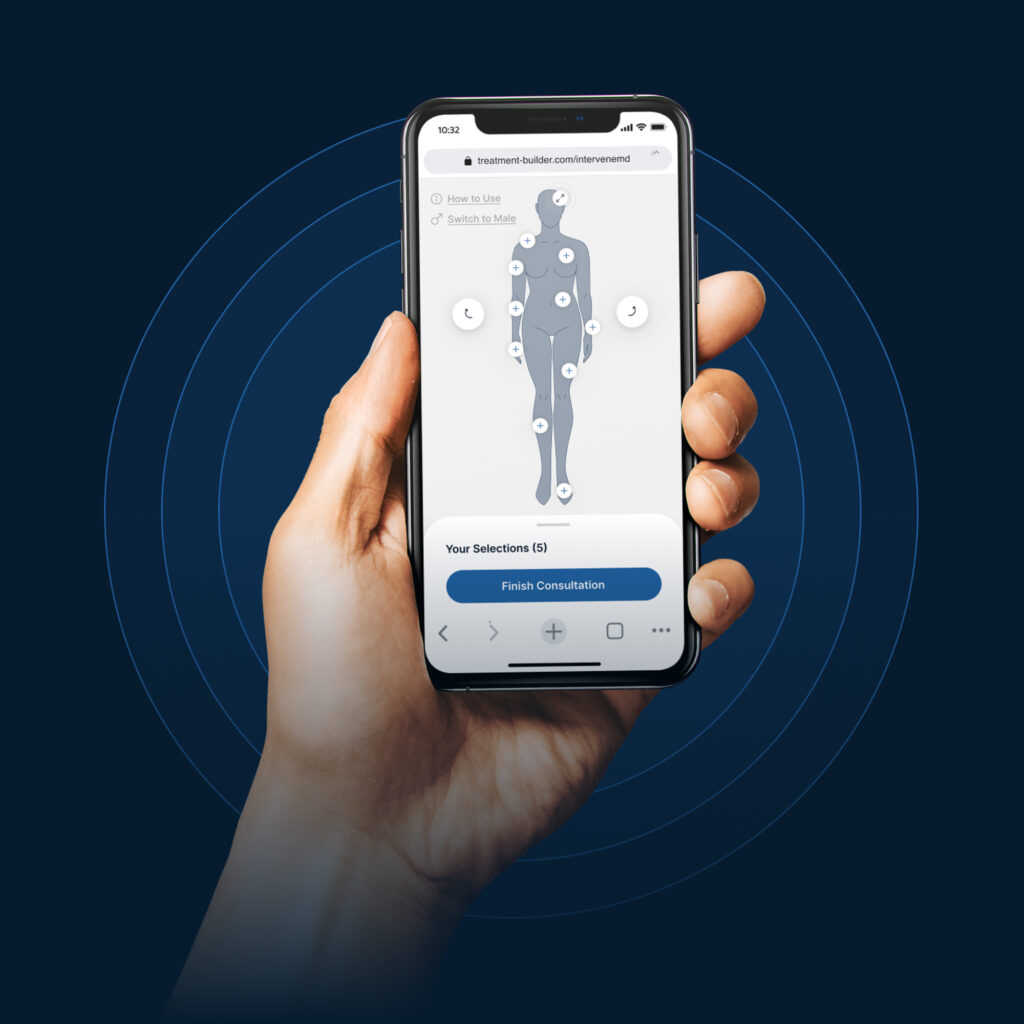


GLP-1 receptor agonists—semaglutide, tirzepatide, and newer agents like retatrutide and cagrilintide—have fundamentally changed how we approach obesity and metabolic disease.
These medications deliver remarkable weight loss outcomes, often exceeding 15% to 20% of a patient’s total body weight. But a persistent concern shadows their success: muscle loss.
Here’s what most people miss: the muscle loss attributed to GLP-1s isn’t caused by the medication itself. It’s caused by poor medical supervision, inadequate nutritional guidance, and the absence of a comprehensive metabolic plan.
When administered correctly—with structured resistance training, strategic protein intake, creatine supplementation, and targeted peptide support—GLP-1 in Charleston preserves muscle mass while eliminating visceral fat and restoring metabolic health.
This article from the experts at InterveneMD will show you exactly how to build that plan.
Understanding GLP-1 Medications: More Than Appetite Suppression
GLP-1 receptor agonists work by mimicking the incretin hormone GLP-1, which is naturally released after eating. They have multiple effects, including:
- Stimulating insulin secretion in the presence of glucose
- Suppressing glucagon release
- Slowing gastric emptying
- Reducing appetite through central nervous system pathways
These all contribute to more balanced metabolic health and medical weight loss.
Types of GLP-1 Agonist Medications
Semaglutide is a pure GLP-1 agonist. It’s highly effective for weight loss and glycemic control, but it doesn’t address all metabolic pathways depending on patient needs.
Tirzepatide is a dual GLP-1/GIP agonist. The GIP component supports healthy fat cell expansion, which prevents ectopic fat spillover into visceral depots and organs. This makes tirzepatide particularly valuable for patients with elevated visceral adipose tissue.
Retatrutide is a triple agonist (GLP-1/GIP/glucagon). The glucagon component increases energy expenditure, making it ideal for patients experiencing metabolic slowdown or those at risk of regaining weight.
Cagrilintide (an amylin analog) is being studied in combination therapies. It further delays gastric emptying and enhances satiety, potentially offering even greater weight loss when paired with GLP-1 in Charleston.
Each of these agents has distinct advantages. The key is matching the right medication to the individual patient’s metabolic profile—something our expert team addresses through functional assessments.

An Overview of How GLP-1s Fit Into Chronic Disease
The rise of medications with GLP-1 in Charleston reflects a larger shift toward recognizing obesity as a complex, chronic condition with metabolic, behavioral, and hormonal roots.
Unlike previous eras of “magic bullet” weight loss promises, today’s best practice is nuanced. GLP-1s were first developed to manage diabetes—improving glucose control and blunting post-meal glucose spikes.
However, as clinical trials continued, researchers noticed dramatic weight loss effects, especially among those with increased visceral and ectopic fat.
But not every patient responds the same way. That’s why a one-size-fits-all approach—just handing out prescriptions without comprehensive lifestyle, training, and nutrition protocols—inevitably leads to preventable pitfalls.
The Muscle Loss Myth: It’s Not the Drug, It’s the Protocol
Let’s clarify something critical: muscle loss during GLP-1 therapy is not an inevitable side effect. It’s a consequence of excessive caloric restriction, inadequate protein intake, and lack of resistance training.
When patients lose weight rapidly without proper guidance, they lose both fat and muscle. This happens with any diet—not just GLP-1 in Charleston. The body doesn’t distinguish between intentional caloric restriction and starvation. If you don’t signal the need to preserve muscle (through resistance training) and provide the building blocks to maintain it (through protein), muscle mass will decline.
What Protocols Preserve Muscle Mass?
Studies show that when GLP-1 therapy is combined with resistance training and adequate protein intake, muscle mass is preserved—and in many cases, improved.
Patients can simultaneously lose significant body fat, reduce visceral adipose tissue, improve insulin sensitivity, and maintain or even build strength.
This is why medical supervision matters. Unsupervised GLP-1 use—whether through online prescriptions, medical spas, or wellness clinics without metabolic expertise—often results in poor outcomes.
Patients experience rapid weight loss, yes, but also metabolic slowdown, muscle wasting, and eventual weight regain.
Why Muscle Matters: Health Outcomes Beyond Appearance
Muscle is not just about aesthetics. Robust evidence connects higher muscle mass to lower rates of metabolic syndrome, type 2 diabetes, falls, fracture risk, and cancer mortality.
Healthy muscle:
- Increases resting metabolic rate
- Supports immune function
- Enhances glucose disposal
Losing muscle during weight loss actually increases the risk of regaining fat—especially visceral fat—since a lower metabolic rate means you burn fewer calories at rest.
Preserving muscle is thus not just a “nice to have” for athletes or those interested in fitness; it’s essential for anyone pursuing metabolic health and longevity.

The Foundation: Resistance Training, Protein, and Creatine
If you want to preserve muscle on GLP-1 in Charleston, 3 interventions are non-negotiable:
Intervention 1: Resistance Training
Muscle is preserved when it’s being used. Resistance training stimulates muscle protein synthesis and signals the body to prioritize lean mass retention—even in a caloric deficit.
You don’t need to become a bodybuilder. Even 2 to 3 sessions per week is sufficient when you focus on compound movements (squats, deadlifts, presses, rows). The goal is progressive overload: gradually increasing weight, reps, or intensity over time.
Resistance training also activates AMPK (AMP-activated protein kinase), an energy-sensing pathway that promotes glucose uptake independent of insulin. This is critical for patients with insulin resistance.
By stimulating GLUT4 translocation to the cell surface, resistance training improves glucose disposal and metabolic flexibility—even without pharmacological intervention.
The Science Behind Exercise and Mitochondrial Health
Beyond mere muscle preservation, resistance training and aerobic exercise drive mitochondrial biogenesis—making your cells more efficient at generating energy.
Mitochondrial dysfunction is increasingly recognized as a cause of metabolic inflexibility, fatigue, and even neurodegenerative conditions like Alzheimer’s disease. Exercise-induced improvements in mitochondrial number and function help prevent the decline in metabolism that often follows rapid weight loss or calorie restriction.
Pro tip: Zone 2 aerobic exercise (moderate-intensity cardio where you can talk but not sing) further complements strength training by enhancing fat oxidation and boosting endurance—important for maximizing VO2 max.
Intervention 2: Protein Intake
Aim for 0.7–1.0 grams of protein per pound of body weight daily. This is higher than standard recommendations, but it’s necessary to preserve muscle during caloric restriction.
High protein intake supports muscle protein synthesis, enhances satiety, and has a higher thermic effect than carbohydrates or fats (meaning your body burns more calories digesting protein). It also helps prevent the metabolic slowdown that often accompanies weight loss.
For patients struggling to meet protein targets due to reduced appetite on GLP-1 in Charleston, consider protein shakes, collagen peptides, or amino acid supplementation.
How Protein Protects Muscle During Weight Loss
When losing weight, your body tends to burn both fat and muscle for energy. The right amount and timing of protein intake, especially spread throughout the day, maximizes retention of lean mass.
Protein also directly stimulates GLP-1 and other gut hormones, enhancing satiety and making it easier to adhere to caloric guidelines.
Intervention 3: Creatine Supplementation
Creatine monohydrate (5 grams daily) is one of the most effective evidence-based supplements for muscle preservation and performance. It increases intramuscular phosphocreatine stores, which enhances ATP production during high-intensity exercise.
Creatine also supports muscle cell volumization and reduces protein degradation—both critical during periods of caloric restriction. It’s safe, affordable, and effective. There’s no reason not to use it.
Bonus: In addition to supporting muscle maintenance, creatine has neuroprotective effects, may support mood, and can improve cognitive performance—a win for total wellness.
Why Every Diet Slows Your Metabolism (And How to Fix It)
Here’s an uncomfortable truth: all diets—including GLP-1 protocols—naturally slow down your metabolism.
This isn’t a malfunction. It’s your body trying to survive. When caloric intake decreases, the body compensates by reducing energy expenditure. This is called “adaptive thermogenesis.” Resting metabolic rate (RMR) declines, thyroid hormone production decreases, and physical activity naturally drops.
This metabolic adaptation is why weight loss plateaus. It’s also why so many people regain weight after stopping their diet or GLP-1 in Charleston.
The solution isn’t to avoid caloric restriction—it’s to actively counteract metabolic slowdown by increasing energy expenditure through targeted interventions.
Understanding Adaptive Thermogenesis
As you lose weight, your body “defends” its previous (higher) weight set point. Hormones such as leptin drop, sending hunger signals and encouraging fat storage.
At the same time, your body may alter thyroid hormone metabolism, slow down movement (often subconscious), and even shift gut microbiome composition to favor calorie extraction from food.
What helps? Regular reassessment of calories and activity levels, increasing protein, building more muscle, and leveraging certain metabolic adjuncts, as discussed below.

Speeding Up the Engine: Peptides and Supplements for Metabolic Enhancement
Several compounds can increase energy expenditure, improve fat oxidation, and support metabolic health during GLP-1 in Charleston.
Tesofensine
Tesofensine is a triple monoamine reuptake inhibitor (serotonin, norepinephrine, dopamine) that increases energy expenditure and enhances fat oxidation. It also has appetite-suppressing effects, making it a valuable adjunct for patients who need additional metabolic support.
Tesofensine is particularly useful for patients experiencing metabolic slowdown or those at high risk of regaining weight.
Amlexanox
Amlexanox inhibits the IKK-ε/TBK1 pathway, reducing inflammation and enhancing AMPK activity. This improves energy expenditure, insulin sensitivity, and fat oxidation.
Amlexanox is ideal for patients with elevated visceral adipose tissue, chronic low-grade inflammation, or metabolic syndrome. It works synergistically with GLP-1 in Charleston to improve metabolic outcomes.
5-Amino-1MQ
5-Amino-1MQ inhibits nicotinamide N-methyltransferase (NNMT), which increases intracellular NAD+ availability. Higher NAD+ levels activate SIRT1, a master regulator of metabolism, mitochondrial biogenesis, and fat oxidation.
By improving NAD+ status, 5-Amino-1MQ enhances cellular energy production and metabolic flexibility—critical for patients with metabolic dysfunction or mitochondrial inefficiency.
Leucine and Exercise Mimetics
Low-dose leucine (1–1.5 grams) activates SIRT1 without triggering mTOR, making it a powerful tool for improving fat oxidation and metabolic health. Leucine reduces the KM of NAD+ for SIRT1 by 50%, meaning you need less NAD+ to activate SIRT1.
Products like Leusynergy (leucine + resveratrol) or Sytrinol-LNA (leucine + nicotinic acid + nobiletin) synergistically activate AMPK, SIRT1, and PGC-1α—key pathways for mitochondrial biogenesis, fat oxidation, and glucose metabolism.
These exercise mimetics are particularly valuable during Zone 2 training (aerobic exercise at 60% to 70% max heart rate), where fat oxidation is maximized.
The Growing World of Exercise Mimetics
In the future, research may uncover more “exercise mimetic” peptides and small molecules that duplicate key cellular benefits of physical activity—without some of the physical burden.
These won’t replace training or substitute for GLP-1 in Charleston, but they can support adherence and results, especially for those with sedentary lifestyles or physical limitations.
The Vital Adjuncts: Functional Medicine and Hormone Replacement Therapy
GLP-1s are powerful, but they don’t operate in isolation. Sustainable weight loss and metabolic optimization require a systems-based approach that addresses:
- Hormonal balance
- Nutrient deficiencies
- Gut health
- Inflammation
Hormone Replacement Therapy (HRT)
Hormonal imbalances—particularly low testosterone in men and estrogen/progesterone imbalances in women—significantly impair metabolic health, muscle preservation, and fat loss.
Men’s Hormones and Weight Loss
Testosterone supports muscle protein synthesis, bone density, and insulin sensitivity. Low testosterone accelerates muscle loss, increases visceral fat, and worsens metabolic outcomes.
Optimizing hormone levels through bioidentical hormone replacement therapy (BHRT) dramatically improves body composition, energy, mood, and long-term health outcomes.
Women’s Hormones and Weight Loss
For women, estrogen and progesterone fluctuations (especially during perimenopause or menopause) can affect muscle retention, fat distribution, and appetite control.
Individualized HRT regimens—tailored to your needs and medical history—can prevent joint pain, mood swings, and unwanted metabolic shifts that sometimes accompany significant weight loss.
Gut Health and Immune Dysregulation
Visceral adipose tissue inflammation is driven, in part, by altered gut microbiota and intestinal permeability (aka “leaky gut”). Chronic low-grade inflammation impairs metabolism, insulin sensitivity, and fat oxidation.
Peptides like BPC-157 (gut healing), KPV (anti-inflammatory), and larazotide (tight junction restoration) can restore gut barrier integrity and reduce systemic inflammation. Supplementing with butyrate (a short-chain fatty acid) supports colonocyte health and metabolic function.
Addressing gut health isn’t optional—it’s foundational for long-term metabolic success.
Microbiome and Metabolism
A “healthy” gut biome promotes short-chain fatty acid production (such as butyrate and propionate), which helps regulate appetite hormones and support healthy insulin signaling. Conversely, dysbiosis (imbalanced gut bacteria) increases absorption of inflammatory fats and sugar cravings, sabotaging weight loss.
Tip: A diet rich in prebiotic fiber, fermented foods, and balanced macronutrients, plus targeted probiotics or gut peptides, will help maintain a resilient microbiome.
Growth Hormone Optimization
Growth hormone (GH) promotes lipolysis (fat breakdown), muscle preservation, and immune function. GH also reduces inflammatory cell infiltration in visceral adipose tissue.
Rather than using exogenous recombinant GH, we can stimulate natural GH secretion with peptides like sermorelin, CJC-1295/ipamorelin, or tesamorelin. These peptides enhance body composition, improve recovery, and support metabolic health—without the risks of supraphysiologic GH dosing.
Targeting the Real Enemy: Visceral Fat and Its Systemic Risks
Not all fat is created equal. Subcutaneous fat (the fat you can pinch) is relatively benign. Visceral adipose tissue (VAT)—the fat surrounding your organs—is metabolically toxic.
Visceral fat secretes pro-inflammatory cytokines (TNF-α, IL-6), impairs insulin signaling, increases cardiovascular disease risk, and promotes cancer development.
It’s strongly associated with type 2 diabetes, hypertension, dyslipidemia, and all-cause mortality.
The Scientific Evidence Around Harm From VAT
Numerous studies confirm that VAT is linked to greater heart disease, cancer risk, and even cognitive decline. Reducing VAT—not just total weight—should be a cornerstone of any meaningful weight loss or longevity intervention.
Lifestyle interventions, particularly those combining pharmacology (GLP-1s or dual/triple agonists), resistance training, and a high-fiber, antioxidant-rich diet, are most powerful for “shrinking” dangerous fat deposits.
Peptide therapy and metabolic adjuncts further enhance safety, adherence, and results.
Studies show that reducing visceral fat improves insulin sensitivity, lipid profiles, inflammatory markers, and cardiovascular risk—independent of total weight loss.
This is where GLP-1 in Charleston shines. GLP-1s preferentially reduce visceral adipose tissue, making them one of the most powerful tools for metabolic restoration. When combined with resistance training, Zone 2 cardio, and metabolic optimization strategies, the reduction in VAT is profound.
Body composition analysis (DEXA scan or InBody) allows us to track visceral fat levels precisely. Patients with elevated VAT should prioritize dual or triple agonists (tirzepatide, retatrutide) for their enhanced effects on fat distribution and energy expenditure.
VO2 Max: The Gold Standard Longevity Biomarker
If you want to predict how long someone will live, measure their VO2 max.
VO2 max—the maximum rate at which your body can utilize oxygen during exercise—is the single strongest predictor of all-cause mortality. It surpasses traditional risk factors like smoking, diabetes, hypertension, and even coronary artery disease.
A landmark study of 120,000 patients found that improving cardiorespiratory fitness from “low” to “above average” reduced mortality risk by 40%—equivalent to quitting smoking. Even moving from “above average” to “high” provided significant longevity gains.
There’s no upper limit to the benefit. The fitter you are, the longer you live.

How to Improve Your VO2 Max
VO2 max is improved through structured cardiovascular training:
Zone 2 training (aerobic exercise at 60% to 70% max heart rate) builds mitochondrial density and fat oxidation capacity.
Zone 4/5 intervals (high-intensity intervals at 85% to 95% max heart rate) directly increase VO2 max.
Metabolic breath analysis (using devices like PNOĒ or VO2 Master) allows precise measurement of VO2 max, fat oxidation rates, and training zones. This data enables personalized exercise prescriptions that maximize metabolic outcomes.
Why VO2 Max Should Matter to Everyone
It’s not only about athleticism. Higher cardiorespiratory fitness means lower risk of metabolic syndrome, diabetes, dementia, and death from any cause. Even modest improvement in fitness can yield outsized longevity results—making this the single most important “vital sign” after blood pressure.
The Necessity of Expert Supervision: Why Peptide Therapy Requires a Specialist
Therapies with GLP-1 in Charleston are prescription medications. Peptides are investigational compounds with specific dosing protocols, contraindications, and potential interactions. Supplements must be chosen based on individual metabolic needs.
This is not a DIY project.
Effective weight loss—especially with peptide therapy—requires a physician or practitioner trained in functional medicine, metabolic optimization, and longevity protocols.
They should be able to interpret body composition data, metabolic breath analysis, and blood biomarkers. They should understand how to combine GLP-1 in Charleston with resistance training, targeted supplementation, hormone optimization, and peptide adjuncts.
Without expert guidance, patients risk:
- Excessive muscle loss
- Metabolic slowdown
- Nutritional deficiencies
- Hormonal imbalances
- Rapid weight regain
The best outcomes happen when patients work with a specialist who understands the complexity of metabolic health and can create a precision, individualized plan.

What to Look for in a Provider
When considering options for support, choose a provider who has:
- Deep experience in metabolic medicine, obesity, and hormonal care.
- Familiarity with the full spectrum of GLP-1 and peptide therapies.
- Comfort with advanced labs: body composition scans, metabolic breath analysis, micronutrient evaluation, hormone panels.
- An ability to listen, customize, and partner with you over time, adjusting protocols as your physiology changes—not just handing you a prescription.
Building a Sustainable, Precision Metabolic Plan
GLP-1 in Charleston is a powerful tool—but it’s just one tool. Sustainable weight loss, metabolic optimization, and longevity require a comprehensive approach:
Choose the right GLP-1 based on individual metabolic needs (semaglutide, tirzepatide, or retatrutide).
Preserve muscle through resistance training, high protein intake, and creatine supplementation.
Counteract metabolic slowdown with peptides (tesofensine, amlexanox) and exercise mimetics (leucine-based products).
Optimize hormones through HRT and growth hormone peptides.
Address gut health and inflammation with targeted peptides and supplements.
Track progress using body composition analysis (DEXA, InBody) and metabolic breath analysis.
Maximize VO2 max through structured cardiovascular training.
What Does Success Look Like?
Exact markers of success look different for every patient, but some common signs include:
- Loss of visceral fat, while retaining or gaining lean mass.
- Marked improvement in energy, mood, and physical performance.
- Improved laboratory markers: glucose, insulin, CRP, lipid panel, hormone panels.
- Higher VO2 max—correlating with longer lifespan and better quality of life.
All of these benefits are achievable, but none are possible in isolation. A pill or injection alone—without the right training, nutrition, and guidance—almost always leads to disappointment and rebound.

Final Thoughts: Why Individualization Matters
Your genetics, life history, hormones, and metabolic status are unique. The best weight loss, body composition, and longevity plan accounts for your needs, preferences, and challenges.
Precision medicine is not about more complexity for complexity’s sake—it means using every lever at our disposal to give you the highest possible chance for sustained success.
GLP-1 in Charleston is here to stay, and it’s powerful, but with great potential comes the need for responsibility.
By partnering with a knowledgeable medical provider and building a comprehensive, sustainable protocol, you can transform the risk of muscle loss into an opportunity for lasting health and optimal performance.
Start Your Journey With GLP-1 and Support
If you’re ready to take a precision medicine approach to weight loss—one that preserves muscle, optimizes metabolism, and extends healthspan—consult with a specialist trained in peptide therapy and metabolic optimization.
Your body deserves better than a one-size-fits-all approach. It deserves a plan built for long-term success.