You’ve been doing all the right things—eating well, staying active, getting your check-ups—but you still feel off. Maybe it’s a lack of energy that coffee can’t fix, stubborn weight that won’t budge, or nagging joint pain that limits your life.
You also might feel frustrated by healthcare that only offers temporary fixes or tells you everything is “normal” when you know it’s not.
If you’re looking for solutions that go beyond the surface, you may have come across the term “peptides.” This guide from InterveneMD provides clear, straightforward answers to your most pressing questions about peptide therapy in Charleston.
We’ll explore what peptides are, how they work, and what they can do for your health, so you can make an informed decision with confidence.
What are peptides, and how do they work?
You can think of peptides as tiny messengers inside your body. They are short chains of amino acids, which are the building blocks of proteins. While proteins are large, complex structures, peptides are much smaller and simpler.
Thanks to their small size and targeted shapes, peptides can move efficiently through tissues and enter cells to deliver very specific instructions. Their main job is to tell your cells what to do at just the right time.
For example, certain peptides can signal your body to:
- Trigger more collagen for healthier, more resilient skin.
- Stimulate the release of growth hormone, which supports recovery and vitality.
- Reduce inflammation, which helps relieve joint pain and aid healing.
- Boost fat metabolism for improved body composition and energy.
Clinical Research Around Peptides
Recent clinical and laboratory research, including a newly published peer-reviewed journal article in the Journal of AAOS Global Research & Reviews, January 2026, Vol 10, No.1, confirms that peptides work by binding to cellular receptors—essentially acting as highly precise “on” switches for specific biological functions.
Examples include BPC-157, which promotes tissue repair and modulates inflammation, and TB500, known for enhancing cell migration and regeneration.
In essence, peptide therapy in Charleston uses these natural messengers to optimize your body’s functions on a foundational level.
By introducing specific peptides tailored to your individual needs, we can encourage your cells to perform their jobs more effectively, helping to restore balance and improve your overall health.
What are the benefits of peptides?
Since peptides perform so many different roles within the body, the benefits of peptide therapy are wide-ranging.
This isn’t a one-size-fits-all treatment. Instead, it’s a targeted approach that can be tailored to your specific health goals. Many people turn to peptide therapy because they’re seeking a medically guided way to address concerns that haven’t responded to other treatments.
Some of the most common benefits include:
- Improved Body Composition: Assisting with weight loss and increasing lean muscle mass.
- Enhanced Recovery: Speeding up healing from injuries and reducing muscle soreness.
- Anti-Aging Effects: Improving skin elasticity, reducing wrinkles, and promoting a more youthful appearance.
- Pain and Inflammation Relief: Targeting joint pain and reducing systemic inflammation.
- Better Sleep and Energy: Regulating sleep cycles and boosting daytime energy levels.
- Stronger Immune System: Supporting your body’s natural defense mechanisms.
The key is that peptides work with your body, not against it. They help restore functions that may have declined due to age, stress, or other factors, giving you a path toward feeling like yourself again.
Are peptides safe to use?
This is one of the most important questions to ask, and the answer depends entirely on where you get them and who is guiding your treatment.
When prescribed by a qualified medical provider after a thorough health evaluation, peptide therapy in Charleston has a strong safety profile. InterveneMD uses bioidentical peptides, meaning they are the same as the ones your body naturally produces. This significantly reduces the risk of adverse reactions compared to synthetic options.
However, the safety of peptides is compromised when they are purchased from unregulated online sources. These products may be impure, incorrectly dosed, or contaminated, posing serious health risks.
True peptide therapy is a medical treatment. It should always involve:
- A comprehensive consultation with a healthcare provider.
- Bloodwork and a health analysis to determine your specific needs.
- A personalized treatment plan with precise dosing.
- Ongoing monitoring to track your progress and adjust as needed.
Under medical supervision, peptides are a safe and effective tool. Without that expert support, you are taking an unnecessary gamble with your health.
How are peptides different from proteins?
The main difference between peptides and proteins comes down to size and structure. Both are made of amino acids linked together, but the number of amino acids separates them.
What are peptides?
Peptides are short chains, typically containing 50 or fewer amino acids. Think of them as a short, simple sentence with a very direct command.
What are proteins?
Proteins are much larger and more complex in structure, consisting of one or more long chains of over 50 amino acids. Think of them as a full paragraph or a chapter in a book, containing detailed and multifaceted information.
How do peptides and proteins work differently?
This difference in size affects how they function. The smaller nature of peptides allows them to be absorbed and used by the body more readily. They act as signaling molecules, carrying messages to cells.
As highlighted in recent clinical literature, peptides like BPC-157 and GHK-Cu are able to penetrate tissues and interact with cell receptors quickly, leading to rapid and targeted biological effects.
Proteins, on the other hand, serve more structural roles (like collagen in your skin) or functional roles (like enzymes that drive chemical reactions).
In therapy, we use peptides because their simple structure allows them to deliver a precise, targeted outcome.
What are the side effects of peptide therapy?
When administered correctly under medical guidance, peptide therapy in Charleston is generally well-tolerated with minimal side effects. The most common effect is related to the injection itself.
You might experience temporary:
- Redness, itching, or soreness at the injection site
- Slight swelling or a small lump
These reactions are usually mild and resolve on their own within a few hours.
Other potential side effects are rare and depend on the specific peptide and dosage. Some patients experience mild fatigue, headache, or water retention as the body adjusts.
Prolonged high-dose or frequent use may lead to receptor desensitization, which is why medical supervision is so crucial. A knowledgeable provider will start you on an appropriate dose of peptide therapy in Charleston and monitor your response to minimize any potential side effects, ensuring your treatment is both safe and effective.
What are peptide injections used for?
Peptide injections have gained strong support in both regenerative and performance medicine, thanks to their ability to deliver targeted signals to address a wide range of health and wellness concerns.
Common uses for peptide injections include:
- Weight Management: Stimulating fat breakdown and improving metabolism.
- Anti-Aging: Boosting collagen and elastin production for healthier skin and hair.
- Injury Recovery: Accelerating the healing of tendons, ligaments, and muscles.
- Muscle Growth: Supporting the development of lean muscle mass.
- Joint Health: Reducing inflammation and promoting cartilage repair.
- Cognitive Function: Improving focus, memory, and mental clarity.
- Sleep Improvement: Regulating sleep patterns for more restorative rest.
Your provider will recommend specific peptides based on your health goals, lab results, and overall condition.
How do peptide injections work?
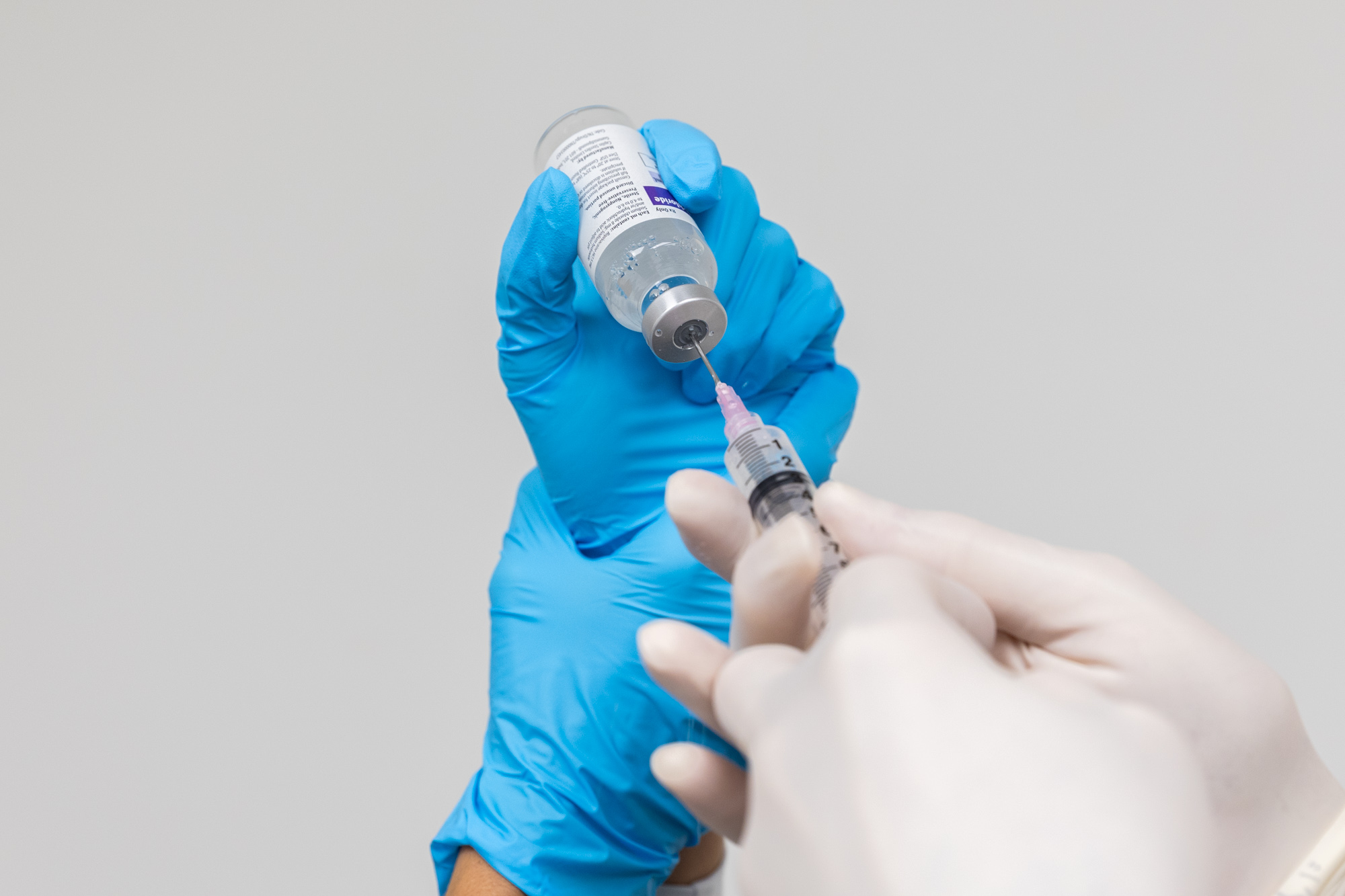
Injections for peptide therapy in Charleston work by delivering a specific peptide directly into your system, where it can travel to its target cells and deliver its message. This method, typically subcutaneous injection (just under the skin), allows for slow and steady absorption into the bloodstream.
Once in circulation, the peptide binds to specific receptors on the surface of cells, much like a key fitting into a lock. This binding action triggers a specific response inside the cell.
For example:
- A peptide like CJC-1295 can stimulate the pituitary gland to release more growth hormone, which aids in recovery and cellular repair.
- A peptide like BPC-157 can signal cells in an injured area to accelerate the healing process.
By using injections, we bypass the digestive system, which would otherwise break down the peptides before they could do their job. This supports maximum bioavailability and effectiveness.

Can peptides help with weight loss?
Yes, peptides can be a powerful tool for weight loss, especially when you feel like you’ve hit a plateau despite your best efforts with diet and exercise.
They don’t work like traditional stimulants that just suppress appetite. Instead, they address weight management from multiple angles.
Certain peptides can:
- Stimulate Lipolysis: This is the process of breaking down stored fat to be used for energy.
- Improve Insulin Sensitivity: This helps your body manage blood sugar more effectively, reducing fat storage.
- Increase Growth Hormone Release: Higher levels of growth hormone are associated with a leaner body composition.
- Build Lean Muscle: More muscle increases your resting metabolism, meaning you burn more calories throughout the day.
Peptides like AOD-9604 and CJC-1295/Ipamorelin are often used for this purpose. They offer a medically guided way to support your weight loss journey by optimizing your body’s natural fat-burning mechanisms.
What peptides are best for anti-aging?
Aging is a complex process. However, many of its visible and internal signs are linked to a decline in cellular function and hormone production.
Peptides can help counteract this decline by signaling your body to restore more youthful functions.
For anti-aging, we often focus on peptides that:
- Boost Growth Hormone: As we age, growth hormone levels naturally decline. Some peptides encourage your pituitary gland to produce more growth hormone, which helps with cell regeneration, skin thickness, and overall vitality.
- Improve Skin Health: Peptides like GHK-Cu can increase collagen and elastin production, reduce inflammation, and improve skin firmness, leading to fewer wrinkles and a healthier complexion.
- Enhance Cognitive Function: Other peptides can support brain health, improving memory and focus.
Peptide therapy in Charleston helps patients manage aging gracefully, maintaining greater energy, appearance, and quality of life for years to come.
Are there peptides for muscle growth and recovery?
Absolutely. Peptides help individuals looking to improve their physical performance, build lean muscle, and recover more quickly from workouts or injuries. They work by supporting the body’s natural anabolic (muscle-building) and repair processes.
Key peptides in this area include:
CJC-1295 and Ipamorelin: This popular combination stimulates the release of growth hormone, which the body requires to repair muscle tissue after exercise and promote the growth of new muscle fibers.
BPC-157: Known for its powerful healing properties, this peptide can significantly speed up recovery from muscle tears, tendonitis, and other soft tissue injuries. It works by increasing blood flow to injured areas and promoting cellular repair.
For anyone who wants to stay active and strong as they age, peptide therapy in Charleston can provide the support needed to maintain muscle mass and recover efficiently.
Can peptides improve skin health?
Yes, peptides are a cornerstone of advanced skin health treatments. While topical creams with peptides can offer some surface-level benefits, injectable peptides provide a much more profound and lasting effect by working from the inside out.
Peptides can improve skin health by:
- Stimulating Collagen Production: Collagen is the protein that gives skin its structure and firmness. Peptide therapy in Charleston can signal your cells to produce more collagen, which helps reduce fine lines and wrinkles.
- Increasing Elastin: Elastin gives your skin its ability to snap back into place. Certain peptides can boost elastin production, improving skin firmness.
- Promoting Wound Healing: Their ability to reduce inflammation and promote cell growth makes them excellent for helping the skin repair itself.
This approach helps restore the foundational elements of healthy skin, leading to a complexion that is genuinely healthier and smoother.

Do peptides help with joint pain or arthritis?
For many adults, joint pain limits activity and reduces quality of life. Peptides offer a promising solution by targeting the underlying causes of joint pain, such as inflammation and tissue degradation.
We recommend 2 peptides that are particularly effective for joint health:
BPC-157: This peptide is renowned for its systemic healing capabilities. It can help repair damaged tendons, ligaments, and even cartilage by reducing inflammation and promoting the growth of new blood vessels to nourish the injured tissue.
TB-4: Similar to BPC-157, this peptide promotes healing, reduces inflammation, and can increase flexibility in stiff joints.
Unlike pain medications that simply mask the symptoms, these peptides support your body’s ability to heal the joint itself. For those suffering from chronic joint pain or arthritis, this can mean lasting relief and a return to the activities you love.
Can I get peptides online, and are those safe?
You will find countless websites selling peptides, often marketed for “research purposes only.”
It is crucial to understand that it is not safe to purchase and use peptides from these online sources.
Here’s why:
- Lack of Regulation: These products are not regulated by the FDA. They have no guarantees of their purity, potency, or even what they actually contain. Online, third-party peptides can be contaminated with harmful substances.
- No Medical Guidance: Without a doctor’s prescription and guidance, you have no way of knowing the correct peptide, dose, or frequency for your needs. Self-dosing is dangerous and can lead to serious side effects or a complete lack of results.
- Legal Risks: The legal status of these “research” chemicals is murky, and you may not have recourse options if something goes wrong.
The only safe and effective way to use peptide therapy in Charleston is through a qualified medical provider. If you’re searching for “peptides near me,” look for a reputable clinic with experienced doctors who can provide a proper diagnosis and a personalized, medically supervised treatment plan.
This means you receive high-quality, sterile peptides at the right dose to achieve your health goals safely.

Take the Next Step With Confidence
Navigating your health as you age can feel overwhelming, especially when you’re tired of quick fixes that don’t last.
Peptide therapy in Charleston offers a different path—one that activates your body’s own systems to restore function, vitality, and balance. The InterveneMD team can offer clear, medically guided support to help you feel your best.
If you are frustrated with your current state of health and curious about how peptide injections could help, the next step is to seek guidance. A conversation with a knowledgeable provider can bring the clarity you need to decide if this innovative therapy is right for you. Together, we can figure this out.