
If you could take a single action that would reduce your risk of virtually every major condition—cardiovascular disease, metabolic disease, cancer, cognitive decline—what would you do? Spend thousands on supplements? Seek out exotic therapies? Travel to specialized clinics?
The answer may be simpler than you think—and it’s available at almost every gym in the country for the cost of a monthly membership. It requires no prescription, no injections, and no specialized equipment. It is resistance training. And the research supporting it as the most powerful longevity intervention available to the average person is overwhelming.
And yet, the majority of people who take their health seriously focus primarily on cardiovascular exercise, diet, and supplements, while resistance training remains the most underutilized longevity tool available.
In this blog, Dr. Joye breaks down the key to vitality and highlights the many strengths of resistance training (no pun intended). Read on to learn more about the role of your muscles in your overall health, or schedule a consultation to plan your strength training for longevity in Charleston.
Why Muscle Is Central to Longevity
Skeletal muscle does far more than move your body. It is the primary site of glucose disposal in the body, meaning it plays a central role in insulin sensitivity and metabolic health.
More muscle mass means…
- Better blood sugar regulation
- Lower insulin levels
- Reduced risk of type 2 diabetes and metabolic syndrome
- Amino acid storage that serves as a critical reserve during illness, injury, and physiological stress
- Myokine production, or the signaling molecules released during muscular contraction, which reduce systemic inflammation, support brain health, improve immune function, and even inhibit tumor growth
- Structural reserve that determines whether a fall at age 75 is a minor inconvenience or a life-altering event
Losing muscle—a natural process called sarcopenia—is one of the most consequential and underappreciated aspects of biological aging. After age 30, adults lose approximately 3 to 5% of muscle mass per decade without deliberate countermeasures. By age 60, the losses become more pronounced. By age 70 and beyond, they can become severe. This muscular breakdown is directly associated with:
- Insulin resistance
- Frailty
- Increased fall and fracture risk
- Impaired immune function
- Reduced cognitive performance
- Elevated all-cause mortality
But the antidote to sarcopenia is not complicated. Per Dr. Joye, the answer is progressive resistance training, adequate protein intake, and creatine supplementation.
Why the Body Works Against You as You Age
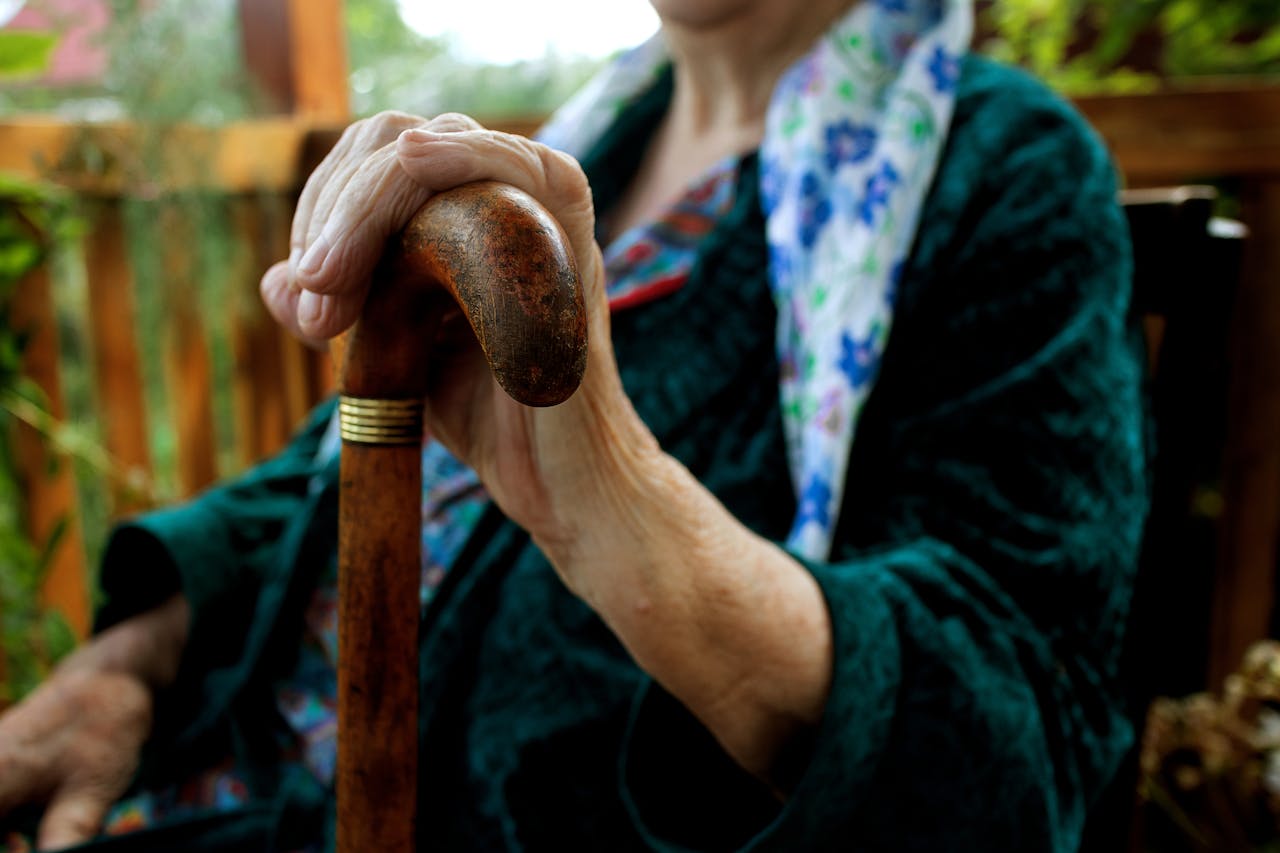
Understanding why muscle becomes harder to build and easier to lose with age requires us to get to know a protein called myostatin.
Myostatin is a naturally occurring growth factor whose primary function is to limit muscle growth, essentially acting as a biological brake on how much muscle the body accumulates. It evolved for a reason, as unchecked muscle growth is metabolically expensive.
The problem is that myostatin levels increase with age. As myostatin rises, the rate of muscle protein breakdown accelerates, the anabolic response to exercise diminishes, and the net balance between muscle synthesis and muscle degradation tips increasingly toward loss. This is one of the primary biological reasons that building muscle becomes progressively more difficult after middle age and why muscle loss speeds up later in life.
This is not an inevitable or fixed process. You have the power to meaningfully influence your myostatin activity.
The Age 70 Inflection Point
Perhaps the most important concept in the entire muscle-longevity relationship is the distinction between building muscle before age 70 and maintaining it afterward.
Before 70
Before 70, the body retains the capacity for the growth of new muscle tissue in response to resistance training and adequate protein intake.
This is the window during which an investment in building a robust muscle reserve pays the highest dividends. Every pound of lean muscle mass accumulated before this threshold becomes a reserve that the body draws on in the decades to come. The larger that reserve, the more the body can afford to lose to normal aging while still remaining above the functional threshold for independence, metabolic health, and resilience.
After 70
After age 70, the anabolic response to exercise and protein diminishes significantly, driven in part by elevated myostatin, declining anabolic hormones, reduced satellite cell activity, and anabolic resistance at the cellular level.
Building new muscle after 70 is not impossible, but it is significantly harder and slower than it was at 50 or 60. At this point, the primary goal shifts from accumulation to preservation—using resistance training, protein intake, and creatine to maintain the muscle reserve for as long as possible.
This is why the time to take muscle building seriously is now—in your 40s, 50s, and 60s—when the physiological capacity for muscle accumulation is still available and we can build habits that support it before the window narrows.
The strategy is simple, even if the execution requires consistency: lift weights progressively, eat enough protein, take creatine, and start as early as possible.
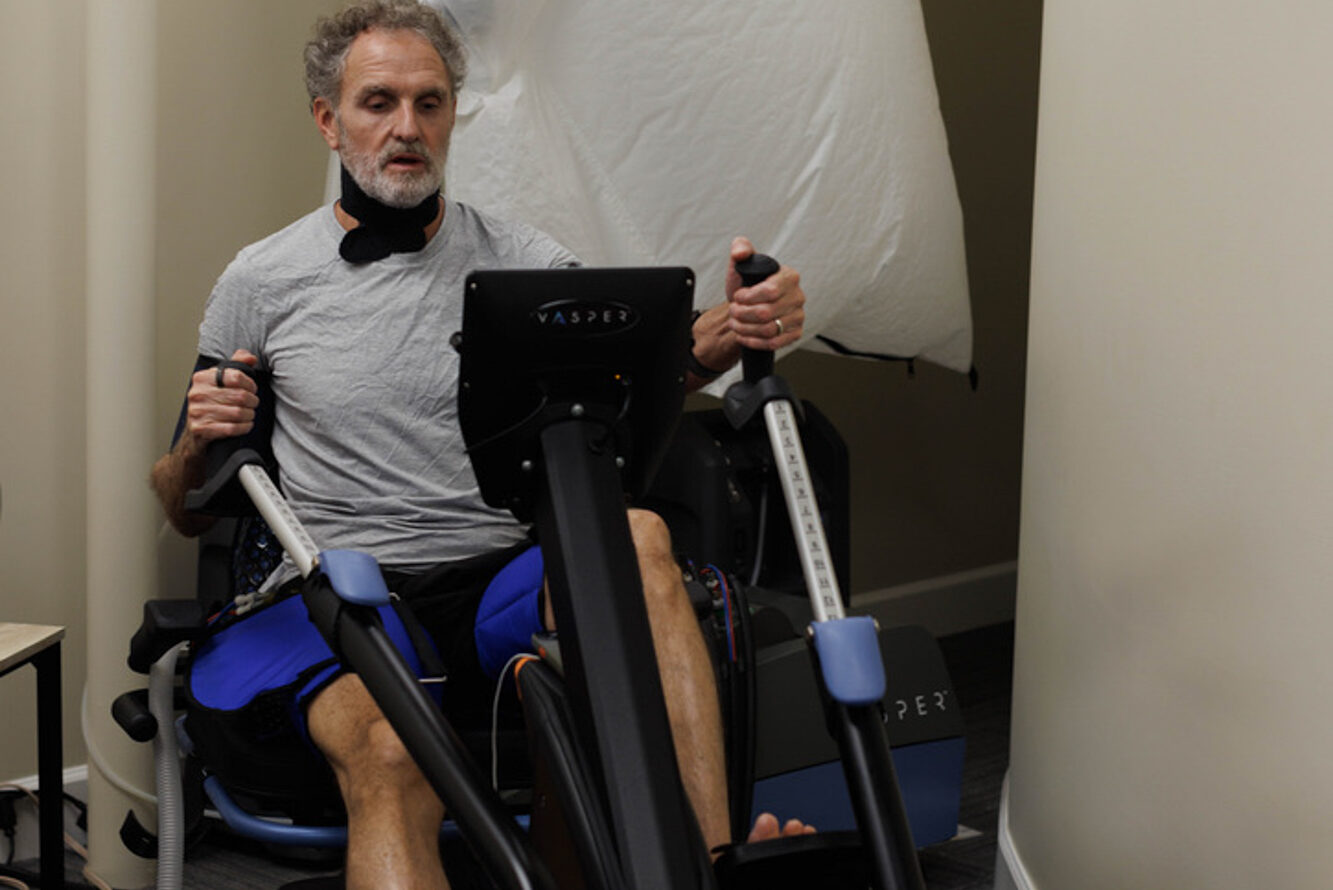
Resistance Training
Progressive resistance training directly suppresses myostatin expression. Studies have consistently shown that both acute resistance exercise sessions and long-term resistance training programs reduce myostatin levels in skeletal muscle. This suppression is one of the key mechanisms through which resistance training counteracts age-related muscle loss.
The stimulus needs to be progressive—meaning the load, volume, or intensity must increase over time to continue providing the signal that drives adaptation. But the barrier to entry is low. Bodyweight exercises, resistance bands, free weights, and machines all provide the stimulus needed when applied consistently and progressively.
We also offer strength training for longevity in Charleston. Many InterveneMD patients enjoy guided exercise right here at InterveneMD with the Vasper system. We can also fortify targeted muscle groups and improve the results of your strength training for longevity in Charleston with Emsculpt NEO.
→ Learn more about Vasper
→ Dive deeper into Emsculpt NEO
Adequate Protein Intake
Protein is the raw material from which we build muscle, and most aging adults consume significantly less than what research advocates for muscle preservation and growth.
Current evidence supports a target of approximately 1 gram of protein per pound of ideal body weight per day for adults actively trying to preserve or build muscle.
Higher protein intake suppresses myostatin through multiple pathways:
- Providing the amino acid building blocks that drive muscle protein synthesis
- Stimulating insulin-like growth factor 1 (IGF-1) which is anabolic to muscle tissue
- Directly modulating the myostatin signaling pathway
Leucine—the amino acid most abundant in whey protein and animal proteins—is one of the most potent activators of mTOR, the master regulator of muscle protein synthesis.
Protein timing matters as well. Distributing protein intake across multiple meals maximizes the muscle protein synthesis response throughout the day. A target of 30 to 40 grams of high-quality protein per meal provides the leucine threshold needed to maximally stimulate muscle protein synthesis.
Your InterveneMD provider can hand-select the nutritional supplements—often including protein powders—that best serve your body and your goals as you personalize your strength training for longevity in Charleston.
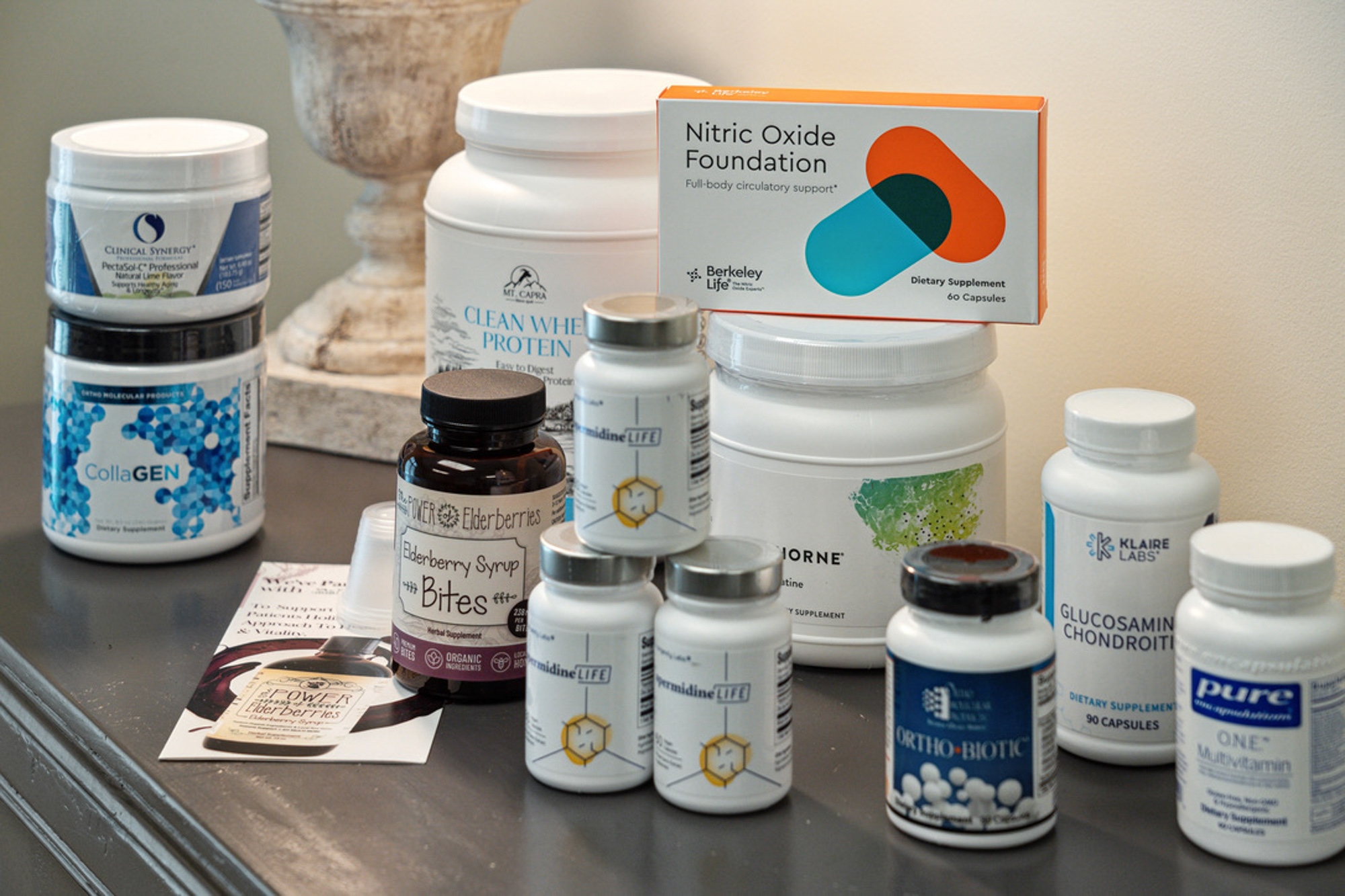
Creatine: The Most Well-Researched Supplement in Sports Science
Contrary to popular belief, creatine monohydrate is not just a supplement for bodybuilders. It is one of the most well-supported interventions in aging research and exercise science, contributing to building muscle, preserving strength, suppressing myostatin, and protecting cognitive function.
It works by increasing the availability of phosphocreatine in muscle cells, which kick-starts the regeneration of ATP during high-intensity effort, allowing muscles to generate more force, recover faster between sets, and adapt more robustly to resistance training over time.
The results of creatine supplementation across hundreds of studies are consistent:
- Meaningful increases in strength
- Higher power output
- Increased lean muscle mass when combined with resistance training
For older adults, the benefits are particularly significant. Multiple studies have specifically examined creatine in populations over 60 and over 70, finding that it:
- Reduces age-related decline in muscle mass and strength
- Improves functional performance measures
- Notably suppresses myostatin expression, directly counteracting one of the primary mechanisms of age-related muscle loss
One of the most persistent myths about creatine is that it damages the kidneys. But this concern is not supported by evidence. Decades of research in healthy individuals, including long-term studies spanning years of continuous supplementation, have consistently found no adverse effects on kidney function at standard doses (3 to 5 grams per day).
The providers at InterveneMD can guide you through ideal creatine usage to supplement your strength training for longevity in Charleston.
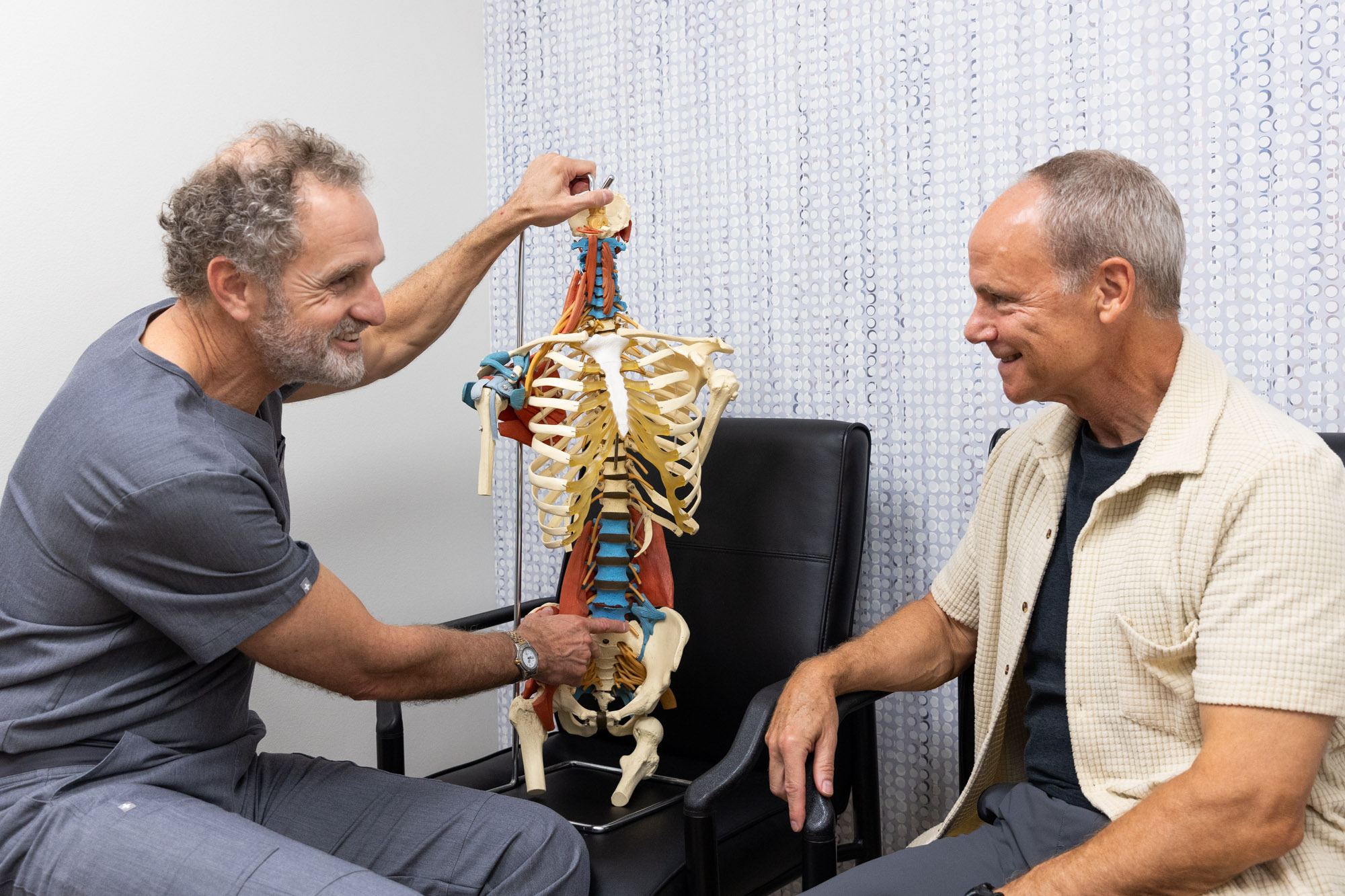
Empower Your Health Outcome
Research has shown that muscle mass is among the most reliable predictors of lifespan and healthspan, outperforming many traditional biomarkers in their ability to forecast who ages well and who does not.
What’s more, a landmark 2022 study published in the British Journal of Sports Medicine found that strength training was associated with a 10 to 17% reduction in all-cause mortality, independent of aerobic exercise.
The relationship is not subtle; it is one of the strongest associations in all of preventive medicine. Muscle mass correlates directly with longevity and vitality. And with resistance training, proper protein intake, and creatine usage, we can optimize muscle growth before sarcopenia sets in.
The best part: this combination of interventions is available to almost everyone. The barrier is not access or cost; it is the understanding of why it matters—and the commitment to act on that understanding before time makes it harder.
Take Control of Your Lasting Wellness
Muscle is not just an aesthetic asset or an athletic one. It is a metabolic and endocrine organ—and one of the most powerful predictors of how long you will live and how well you will function while you are alive.
The providers at InterveneMD can work with you to optimize your health outcomes with thoughtful nutritional guidance and strength training for longevity in Charleston.
Note:
This content is for educational purposes only and reflects current research and clinical thinking in functional and integrative medicine. It is not a substitute for personalized medical advice.
Every person’s biology is different; what works for one individual may not be appropriate for another. If you are curious about strength training for longevity in Charleston, we encourage you to schedule a consultation with a qualified provider who can evaluate your specific needs and goals.