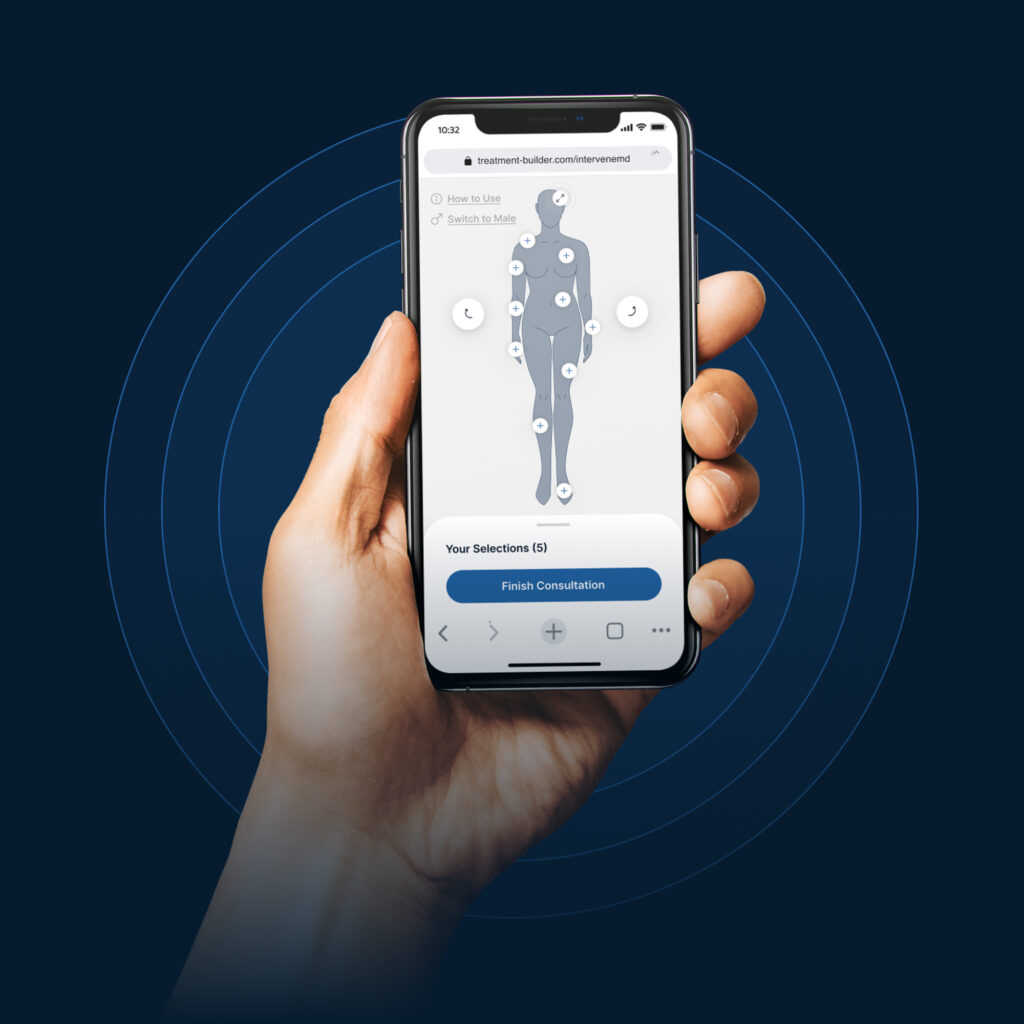


Feeling consistently tired, foggy, irritable, or unlike yourself can become frustrating, especially when you can’t explain why. You might start wondering, “Is this just what aging will be like?”
At InterveneMD, we don’t think you should have to guess why you feel uncomfortable—or accept limitations without answers. Hormone shifts can affect how you feel, but similar symptoms can also stem from other health concerns. Testing helps us separate possible sources of discomfort and decide what deserves attention.
If you want to explore solutions and you’re comparing a DUTCH test vs. blood test for your hormones, the best choice depends on what we need to learn.
Keep reading to see how each test works, or contact our team to book a consultation and discuss your diagnostic options.
Understanding Your Hormones
So, what are hormones, and what do they do? Hormones act as chemical messengers that tell different parts of your body and internal systems when to act or change. They influence your:
- Energy
- Focus
- Metabolism
- Sleep
- Body composition
- Sexual health
- And more
Hormone levels don’t stay stagnant, either. Your cortisol levels change throughout the day. Reproductive hormones shift across the menstrual cycle, as well as during windows like pregnancy, perimenopause, and menopause.
Even small shifts can affect how you feel, so we never interpret one number without context. Rather, we look for patterns that align with your experience and what your health history tells us.
Types of Hormone Tests
When you need context for uncomfortable and unexplained changes, that’s where thoughtful testing becomes important:
- Blood testing measures hormones circulating in your bloodstream at a specific time.
- DUTCH testing uses several dried urine samples to reflect hormone metabolites and patterns throughout the day.
- Additionally, the DUTCH Plus saliva test can capture the cortisol awakening response.
When we consider a DUTCH test or blood test for your hormones, we start by evaluating your symptoms, age, health history, and medications. Then, we choose the test that should give us the most useful information for the clinical question before us.
What does bloodwork show?
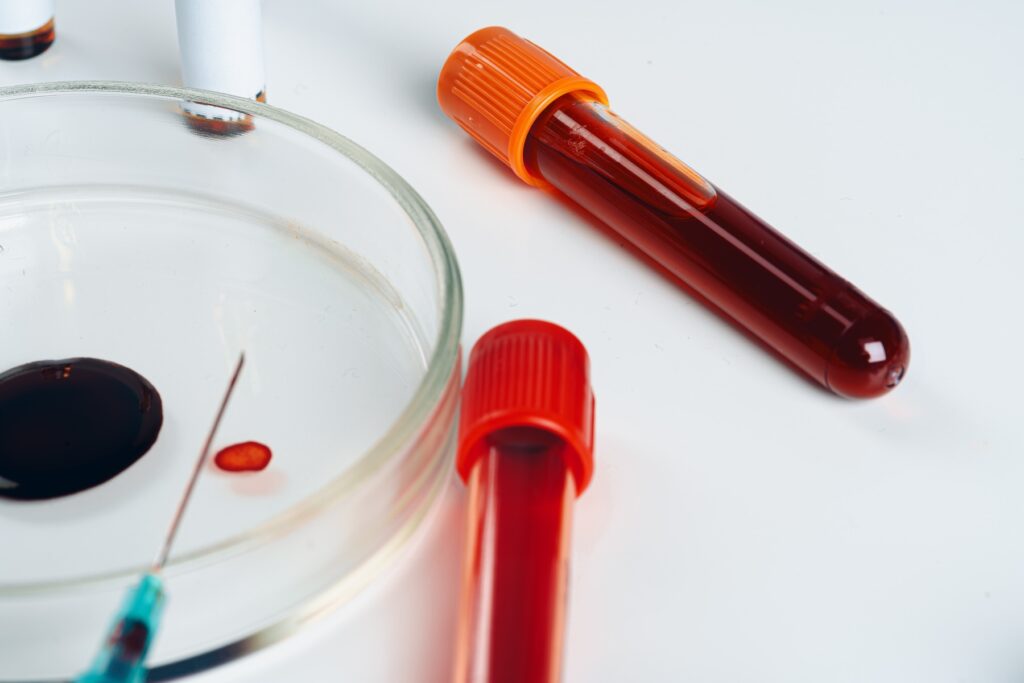
Blood testing gives us a direct look at the hormone levels circulating at the moment of the draw. For sex hormone or thyroid-related concerns, we can measure:
- Testosterone
- Estradiol
- Thyroid hormones
That snapshot often provides exactly what we need. Bloodwork can confirm whether a specific hormone level is high, low, or within range.
Blood-based testing also lets us evaluate related markers, such as glucose, that can explain symptoms or change how we approach hormone care.
We interpret all those numbers alongside your symptoms instead of treating the lab range as the whole story. Our providers can repeat these blood panels as needed to track changes over time.
What value does DUTCH testing add?
The at-home DUTCH test kit looks beyond circulating hormone levels by measuring dried urine samples collected at several points across one day. This kit evaluates sex hormones and their metabolites, showing not only how much of each hormone is present but also how your body processes it.
With the DUTCH Plus kit, we can also take saliva samples that capture the cortisol awakening response after you wake. The test maps free cortisol and cortisone throughout the day.
You can collect the samples from the comfort of your home before returning to our office to review the test’s findings alongside your symptoms and any other diagnostic results.
Seeing how your hormone levels shift throughout the day and how your body processes these chemical signals can add useful detail when your concerns demand a closer look.
Choosing the Right Tests
Comparing a DUTCH test vs. blood test for hormones doesn’t always have the same “right” answer. Each test answers different clinical questions.
| Blood Testing | DUTCH Testing | |
| Sample | Blood draw | Dried urine and/or saliva |
| Reveals | Hormones circulating at one point in time | Hormone metabolites and daily cortisol changes |
| Useful for | Confirming specific hormone levels | Understanding how the body processes hormones throughout the day |
| Role in care | Establishing and tracking key biomarkers | Adding detail for a more complete health picture |
Sometimes, bloodwork gives us everything we need. In other cases, DUTCH testing adds information that deepens our understanding of your symptoms. We can also use both when the questions and symptoms overlap.
Reclaim Your Hormone Health
If you’re deciding between a DUTCH test and blood test for hormones, our providers can work with you to navigate the diagnostic options. We identify what needs investigation and use the results to narrow your concerns and build personalized next steps.