If you’ve heard anything about pelvic floor therapy in Charleston, SC, you may think that it’s just about doing Kegels or is only for women who have given birth. But in reality, pelvic floor therapy is an effective form of treatment for women and men of all ages and life stages.
Keep reading to learn more about common health conditions involving the pelvic floor muscles and the science behind this form of therapy. Ready to speak with one of our experts? Head over to our website or give us a call to schedule your initial consultation.
What is the pelvic floor?
The pelvic floor consists of the muscles and connective tissues that support the organs in the pelvis. These muscles stretch from the pubic bone at the front of the body to the tailbone. They act as a kind of sling, offering support for the:
- Bladder
- Urethra
- Bowels
- Rectum
- Uterus
- Vagina
- Prostate
When your pelvic muscles function correctly, they can automatically tighten and relax passages like your urethra and anus, giving you control over your bladder and bowel movements. With a healthy pelvic floor, you can also intentionally command these muscles, similar to flexing your biceps.
This group of 26 muscles also assists in a variety of bodily functions, including engaging in sexual activity. These tissues regulate intimate blood flow, sensation, and contractions, playing a role in arousal, orgasms, and erections.
What is pelvic floor dysfunction?
Pelvic floor dysfunction is a condition in which the pelvic muscles cannot relax or perform their typical functions. Like all other muscles in the body, the pelvic floor can become stretched out, weakened, and damaged, leading to a variety of other health conditions, including:
- Urinary incontinence – A lack of bladder control that causes urine leakage.
- Constipation – The inability to use the restroom because of weakened pelvic muscles.
- Sexual dysfunction – Pain during intercourse or a lack of sexual pleasure.
- Lower back pain – Pain or discomfort that stretches from the pelvis to the tailbone.
How does my pelvic floor affect my posture?
Many people don’t realize the key role our pelvic floor muscles play in our spinal stability and posture.
In reality, your pelvic floor works in concert with your broader core muscles to maintain a stable, upright position. Your core muscles include:
- Abdominal muscles
- Gluteal muscles
- Pelvic floor muscles
- Hip girdle muscles
- Paraspinal muscles
These muscles support the upper body and keep the spine in alignment, whether we’re at rest or in motion. When strong and activated, our core and pelvic floor muscles enable dynamic movement and consistent control.
Healthy sitting or standing (static) posture means:
- You keep your head above your shoulders
- You align your shoulders above your hips
- Your lower body remains stable
If you have a weakened core, you might struggle to maintain a comfortable position, leading to neck and back pain.
For patients experiencing pain related to improper posture and muscular dysfunction, we often recommend Emsella pelvic floor therapy. In Charleston, we often pair this noninvasive treatment with muscle-strengthening Emsculpt NEO therapy.
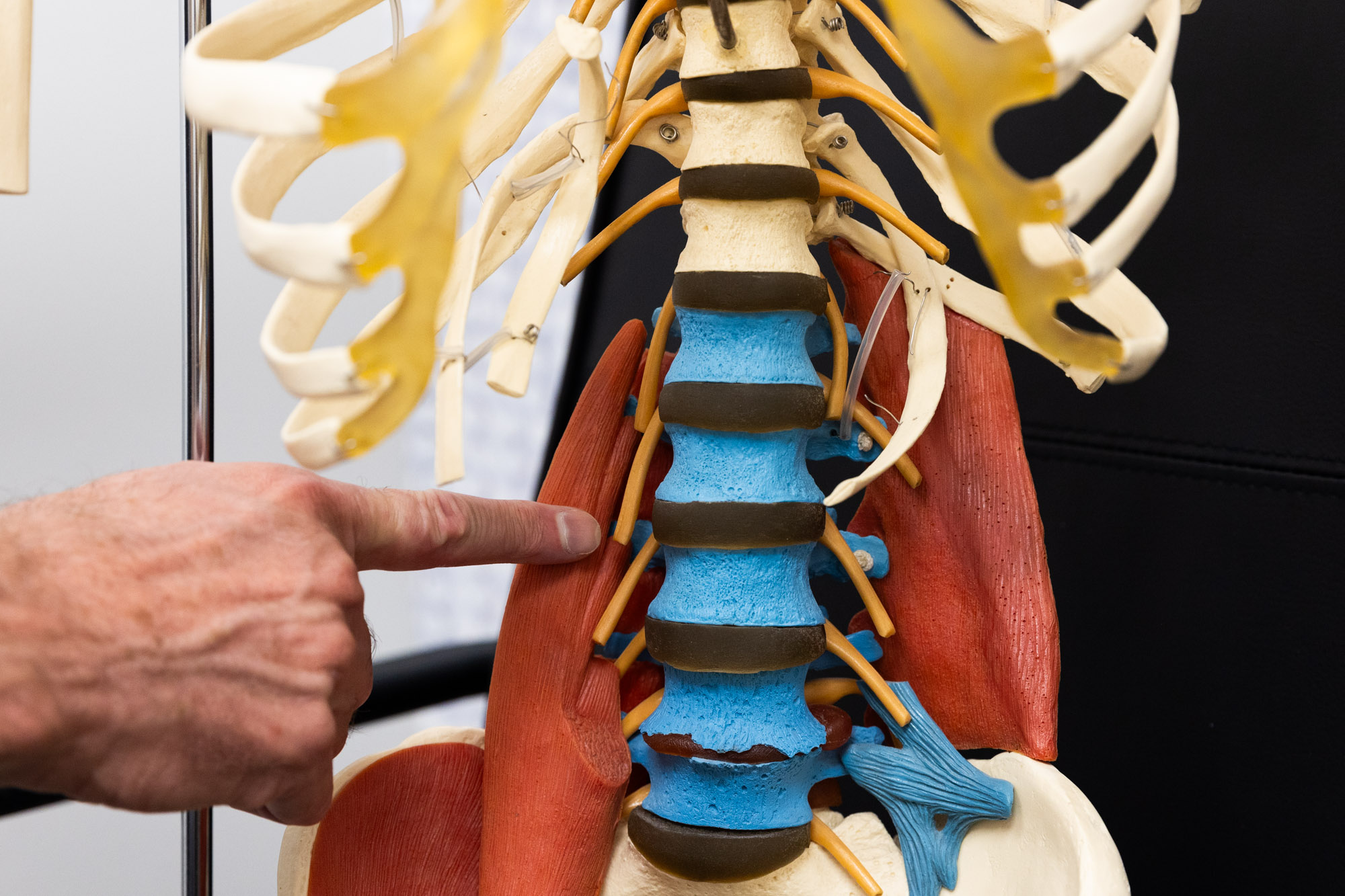
Why does pelvic floor weakness cause back pain?
When your core and pelvic floor muscles weaken too much to support your upper body, that load shifts onto other muscles and joints instead. The burden of picking up the slack and stabilizing your spine can overwork other core and spinal muscles.
Over time, these bracing muscles can become fatigued, which makes it more difficult to complete everyday tasks, or even rest comfortably.
Lower back and lumbopelvic pain are especially common among mothers. Childbearing and vaginal birth stretch and weaken the core muscles, often leading to cases of diastasis recti, or abdominal wall separation. Slack, disconnected tissues cannot properly support our inner organs or upright posture, leading to aching and discomfort.
Our specialists can retrain these muscles and repair mild cases of separation using pelvic floor therapy in Charleston.
How do I know which treatment is right for me?
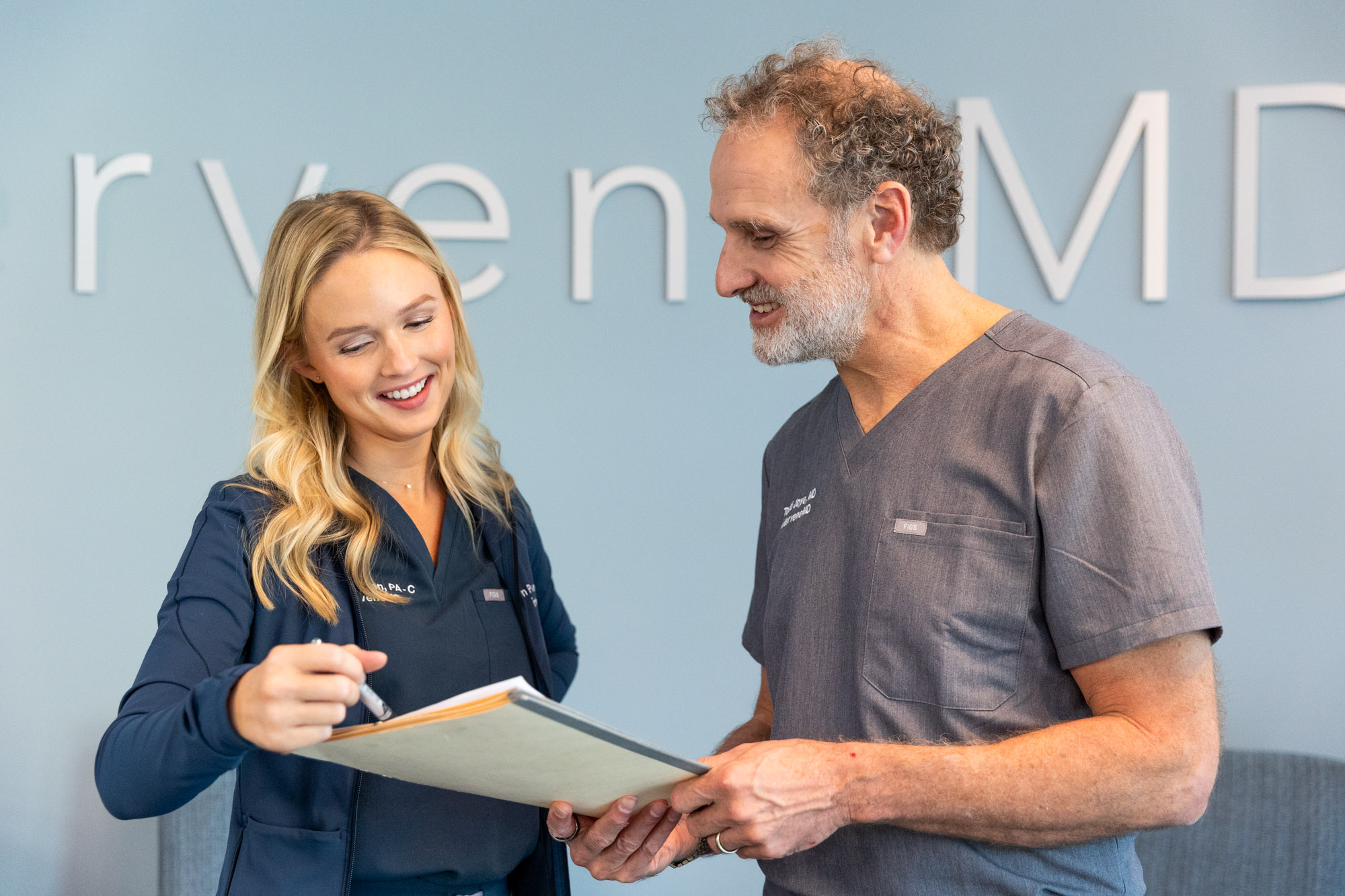
You don’t need to play a guessing game or try to gather all the answers going into your first appointment. Our expert practitioners guide you toward a treatment plan that best suits you.
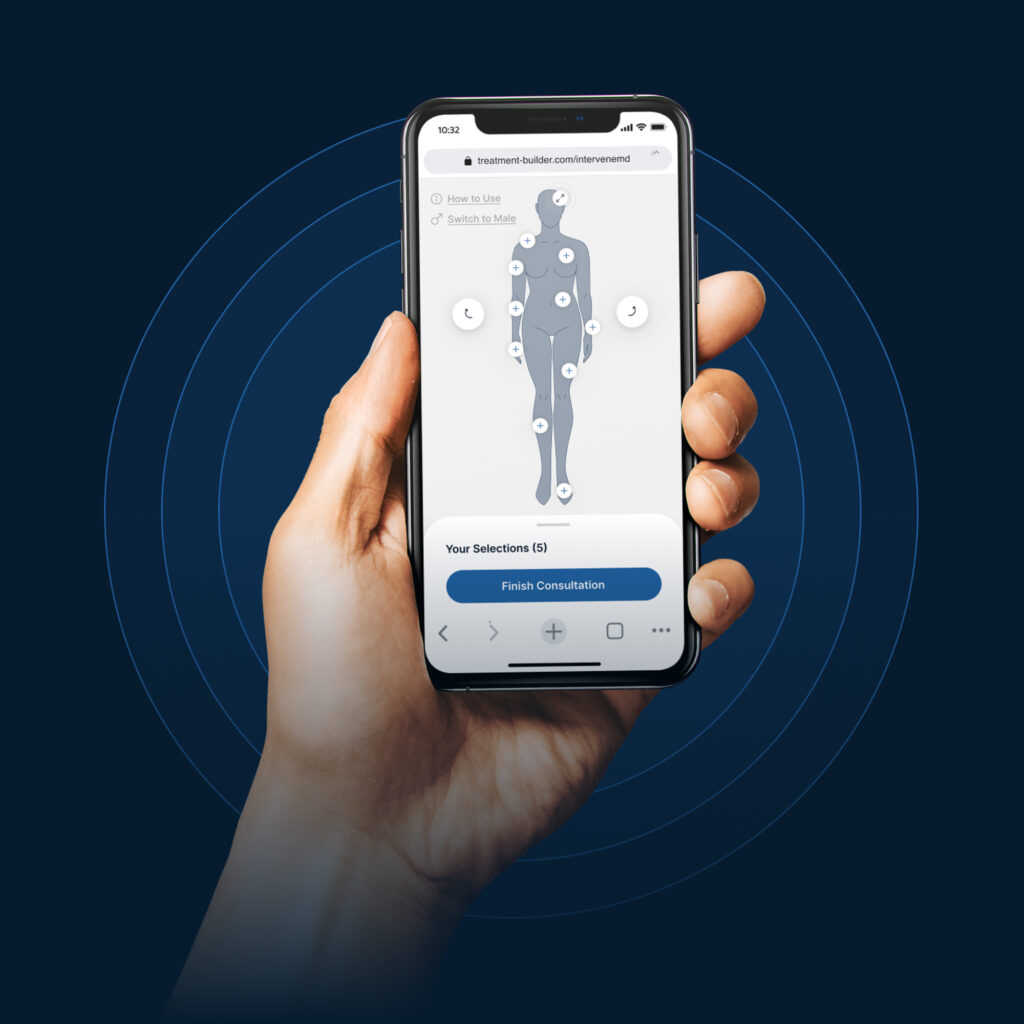
When you feel ready to start the next chapter in your health journey with InterveneMD, we invite you in for an initial consultation. This conversation is your space to share what you’re experiencing.
Your provider listens attentively as you describe your symptoms, treatment goals, lifestyle, and medical history. These insights give us reference information to determine the optimal path forward.
For instance, we might recommend waiting to schedule your therapy or seeking alternative treatments if you are:
- Pregnant or breastfeeding
- Living with assistance from a metal implant, like a copper IUD, insulin pump, or pacemaker
- Actively fighting an infection in the treatment area, such as a UTI
Once we understand your concerns and your health history, we can shape a well-rounded treatment plan with pelvic floor therapy in Charleston.
How can pelvic floor therapy address my concerns?
Though the side effects and symptoms of pelvic floor dysfunction can be frustrating and, in some cases, debilitating, pelvic floor therapy can help!
Pelvic floor therapy is a form of physical therapy that strengthens and re-educates the pelvic floor muscles. Our expert providers often recommend the following treatments for pelvic floor therapy in Charleston:
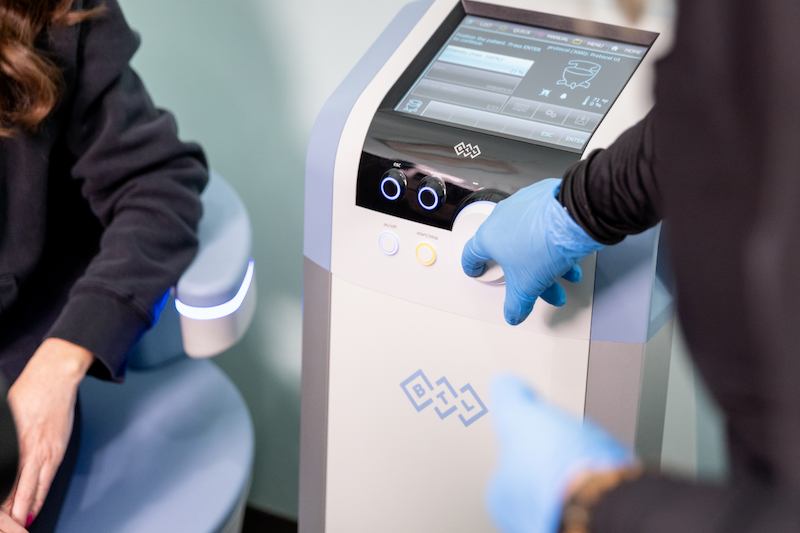
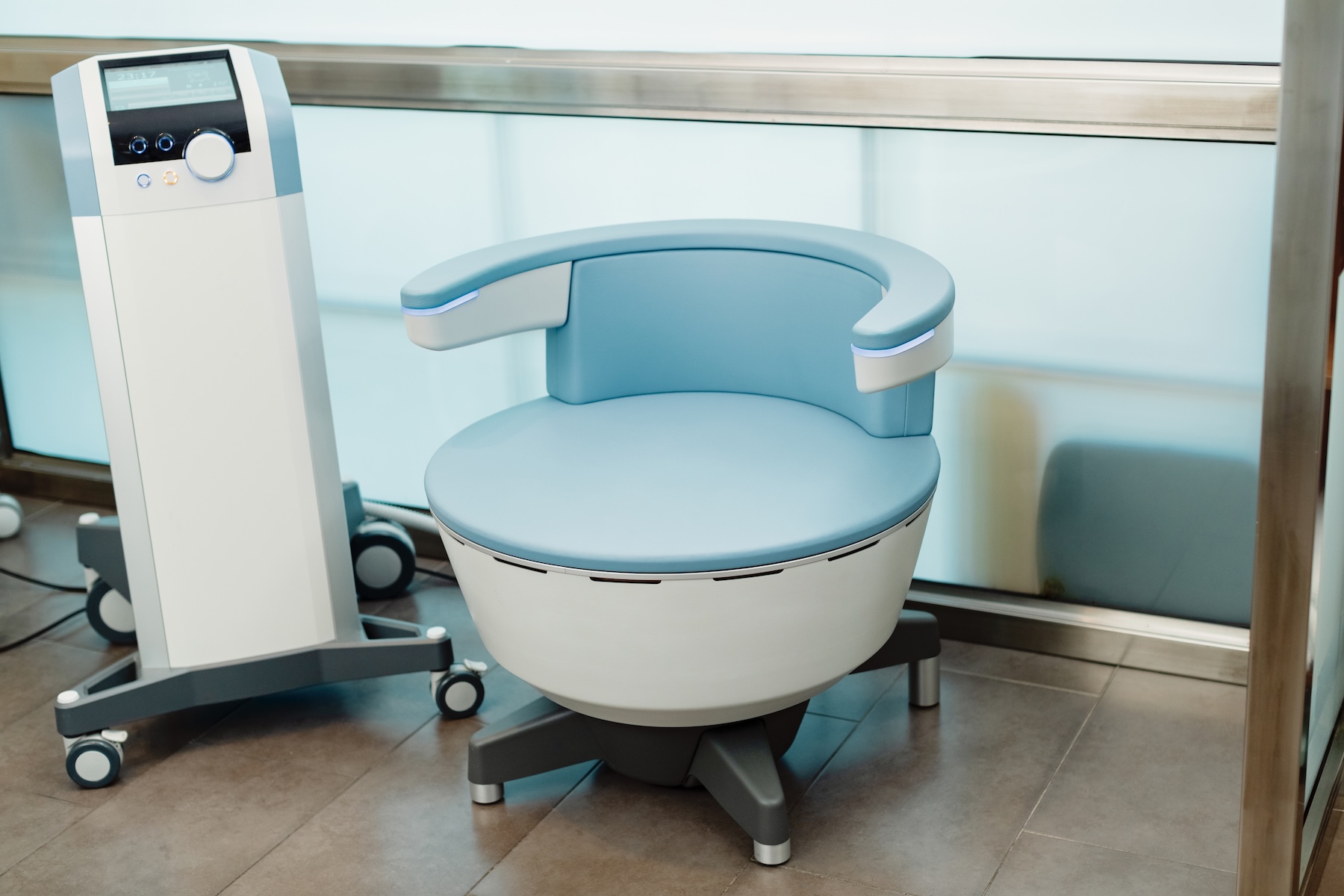
- Emsella: Uses a combination of high-intensity focused electromagnetic (HIFEM) stimulation and radiofrequency (RF) energy to contract the pelvic floor muscles—all externally and without surgical intervention. In just 30 minutes, we can replicate the effects of 11,000 Kegels.
- Emsculpt NEO: Thermal RF energy gently heats and breaks down unwanted pockets of fat, while HIFEM technology activates and strengthens your core muscles. When used on the abdomen, we can simulate over 20,000 crunches in just 30 minutes.
By fortifying your abdominal and pelvic floor muscles, we can support healing and strength.
How can I prepare for pelvic floor therapy?
In Charleston, our providers recommend simple steps to prepare for your noninvasive treatments. Following these instructions and making minor adjustments to your routine supports optimal treatment outcomes.
These guidelines often include:
- Drinking plenty of water to hydrate your body.
- Abstaining from alcohol and tobacco 24 to 48 hours beforehand.
- Wearing loose-fitting clothing that allows easy access to the treatment area.
- Removing all metal jewelry and smart devices before your appointment.
If the week of your appointment arrives and your menstrual period has begun, simply reach out to our team to reschedule your care for a later date.
Is pelvic floor therapy painful?
No, you can expect to remain comfortable for the duration of your treatment sessions. Our providers check in throughout your appointment to confirm how you feel and adjust the device’s settings as needed.
During treatment, you can expect:
- Emsella: Kegel-like muscle contractions as you sit upright on the Emsella chair. Many patients read, watch TV, or enjoy a snack during treatment.
- Emsculpt NEO: Muscular activity comparable to the spasms or flexes you might feel during an intense workout. You can lie back and scroll on your phone or chat with your provider during this brief 30-minute session.
After your personalized pelvic floor therapy in Charleston, you might experience:
- Emsella: A mild tingling in your pelvic region that resolves within a few hours of treatment.
- Emsculpt NEO: Minor abdominal soreness, as though you just finished a tough workout.
Following treatment, you can resume your busy schedule without interruption.
How can I care for my body after a treatment session?
Our science-backed therapies are noninvasive, promoting deep tissue regeneration without surgical intervention. While you don’t need downtime after pelvic floor therapy, we suggest taking it easy for a day or so after treatment.
The providers at InterveneMD often recommend that you:
- Continue to hydrate well to support optimal tissue regeneration.
- Avoid alcohol and tobacco for another 48 hours.
- Practice healthy habits, including balanced nutrition, healthy sleep patterns, and regular physical activity.
Making small adaptations to your usual routine supports the efficacy of your treatment and the longevity of your results. When you maintain a healthy lifestyle and a consistent treatment schedule, we can create a lasting difference in your intimate health and overall wellness.
How many sessions until I see results?
True, restorative healing is not a one-and-done “quick fix.” At InterveneMD, our providers work with you to foster sustainable results that support your lasting quality of life. That means investing time in your care across a series of treatment sessions to see optimal improvements.
For muscular function and pelvic floor health, we often recommend:
- A complete series of 6 Emsella treatments, scheduled 2x a week for 3 weeks
- 4 to 6 Emsculpt NEO sessions per body area, each spaced 1 week apart
Once you conclude your initial program of pelvic floor therapy in Charleston, our practitioners welcome you back for biannual or annual appointments as needed to maintain muscle health.

What outcome can I expect from my treatment?
As we re-educate your pelvic floor and core muscles using therapeutic treatments like Emsella and Emsculpt NEO, these muscle groups steadily strengthen, enabling more responsive control and power.
This renewed strength improves your ability to stabilize your spine and upper body, reducing strain on the surrounding muscles.
Many patients experience enhanced bladder control, sexual function, and day-to-day comfort immediately following their first treatment session, with their results only building with each subsequent treatment. Reduced leakage, improved intimate performance, and healthier posture all support your overall well-being and your confidence.
We can tailor your pelvic floor therapy in Charleston based on your body’s response to treatment, your lifestyle, and your evolving wellness goals.
Schedule Your Consultation
When pelvic floor dysfunction is eroding your quality of life, you don’t have to accept a life of pain and discomfort.
At InterveneMD, we take a personalized approach to pelvic floor therapy in Charleston, SC, to help our patients regain function, eliminate frustrating side effects, and live life to its greatest potential.
Visit our website to request an appointment and learn more.
Interested in other solutions for symptoms of pelvic floor dysfunction, like urinary incontinence? Check out our latest blog posts for more information.