You have probably heard that gut health is important. Maybe you have seen the probiotic displays at the grocery store, read something about the microbiome, or noticed that certain foods leave you feeling foggy, inflamed, or exhausted in ways that seem disproportionate to what you ate.
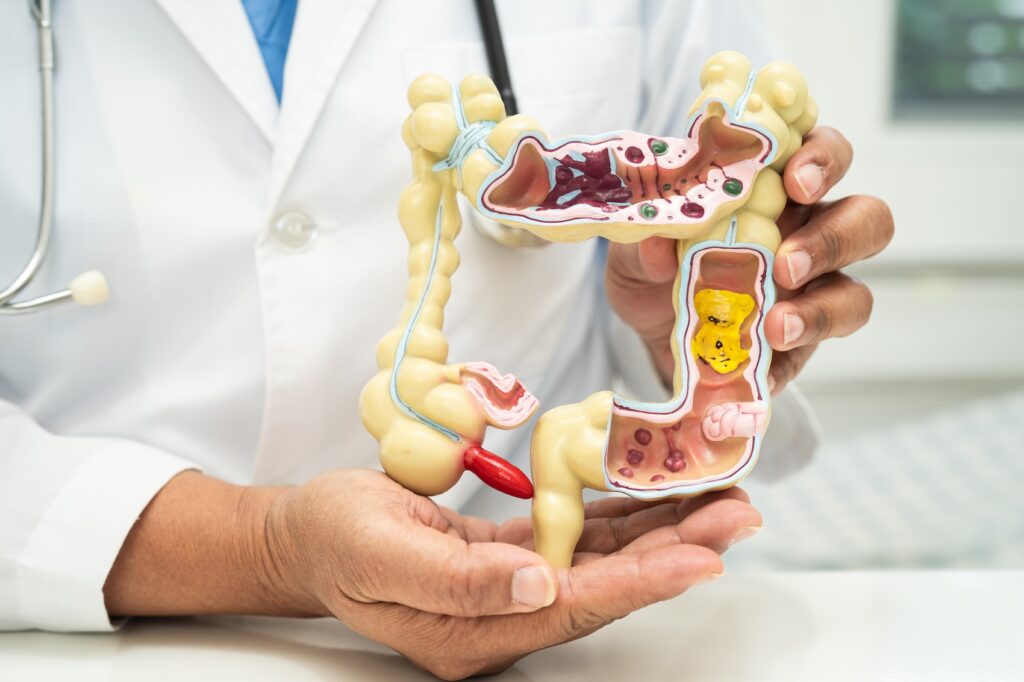
But here is what most people do not fully appreciate: your gut is not just a digestion machine. It is one of the most complex and consequential organ systems in the human body, intimately connected to your immune function, brain, hormones, metabolism, mood, and your long-term risk of diseases, including Alzheimer’s and autoimmune conditions.
When the gut works well, it operates largely in the background, quietly absorbing nutrients, managing waste, regulating immune responses, and sending signals to the brain that keep you feeling clear, calm, and energized. When it is not working well, the downstream effects can touch virtually every system in the body—often in ways that look nothing like a “gut problem” on the surface.
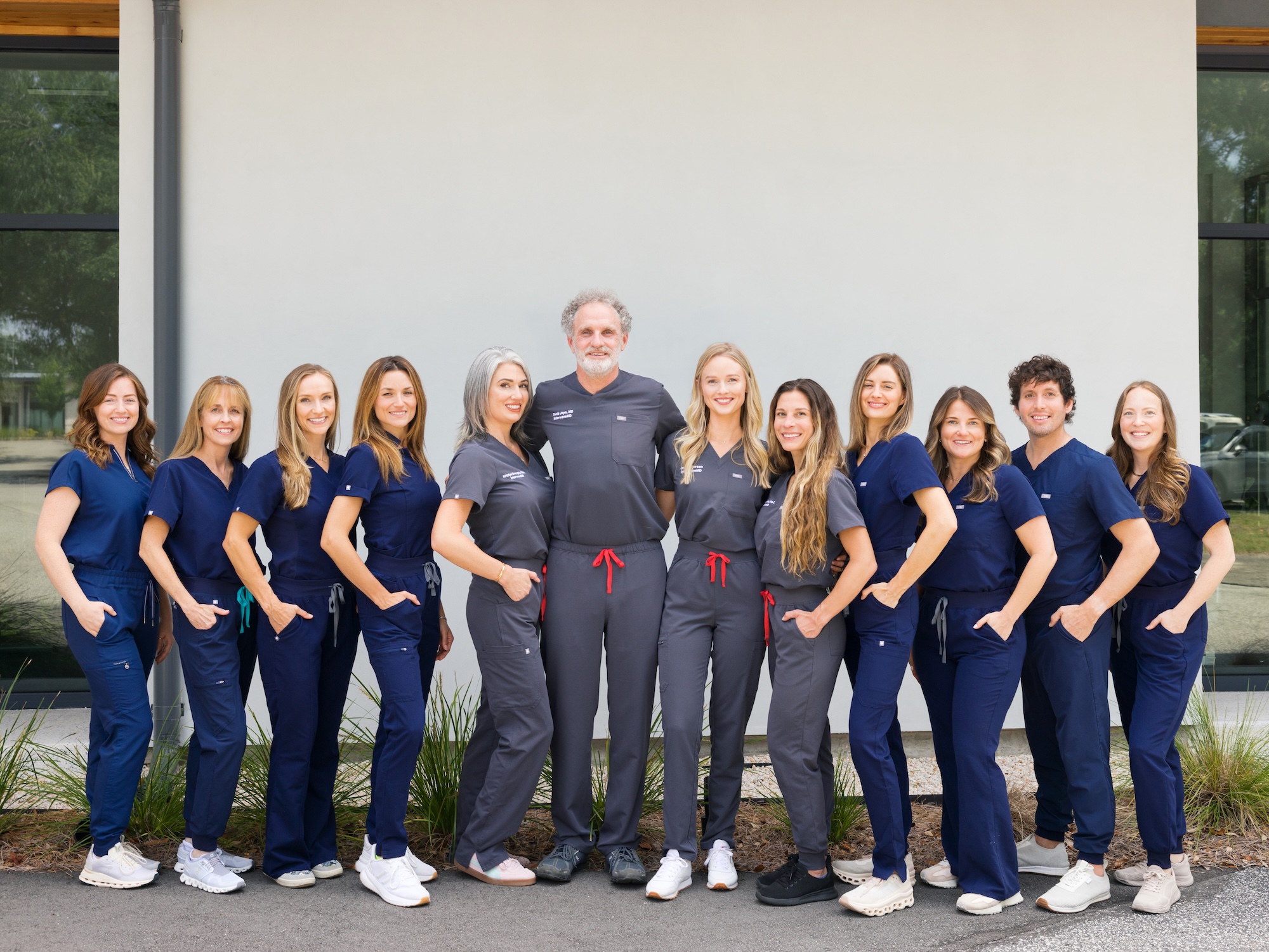
Continue reading a breakdown of what gut health means and what happens when it malfunctions, or schedule a consultation at InterveneMD to discuss your concerns with our gut health doctor in Charleston.
The Gut Microbiome: A Universe Inside You
The human gut is home to approximately 38 trillion microorganisms—bacteria, viruses, fungi, and other microbes—collectively known as the gut microbiome. For context, that is roughly the same number as the total cells in your entire body.
And these microbes are not passengers. They are active participants in your biology.
The gut microbiome performs functions that your own cells cannot, including:
- Synthesizing certain vitamins (including B12, K2, and several B vitamins)
- Fermenting dietary fiber into short-chain fatty acids that serve as fuel for the gut lining and anti-inflammatory signals for the rest of the body
- Regulating immune cell development and training
- Producing neurotransmitters, including serotonin, dopamine precursors, and GABA
- Metabolizing hormones like estrogen and cortisol
- Protecting against pathogenic bacteria
The diversity and composition of this microbial community vary enormously from person to person. Your microbiome is shaped by:
- Genetics
- Birth history
- Diet
- Antibiotic exposure
- Stress
- Sleep
- Exercise
- Environment
And that variation matters profoundly. Research has consistently linked reduced microbiome diversity with an increased risk of:
- Obesity
- Type 2 diabetes
- Inflammatory bowel disease
- Cardiovascular disease
- Depression
- Anxiety
- Autoimmune conditions
- Neurodegenerative disease
A 2019 study published in Nature Reviews Gastroenterology & Hepatology examined over 1,000 individuals and found that microbiome composition was more predictive of health outcomes—including blood sugar responses to specific foods—than genetic data alone.
This finding has significant implications: the microbiome is highly modifiable, meaning the health consequences associated with it are not fixed.

Dysbiosis: When the Balance Breaks Down
When you experience an imbalance in the gut microbiome, it leads to dysbiosis—a state in which harmful or inflammatory microbes outnumber or out-compete the beneficial ones.
Dysbiosis is not a single condition with a single cause. It is a spectrum of microbial imbalances that can manifest differently depending on which organisms are disrupted and how severely.
As a top gut health doctor in Charleston, Dr. Joye commonly sees drivers of dysbiosis like:
- Repeated or broad-spectrum antibiotic use, which can deplete beneficial bacteria indiscriminately),
- A diet high in ultra-processed foods and low in diverse plant fiber
- Chronic psychological stress, which alters GI motility (muscle movements that facilitate digestion), secretions, and microbial composition through the gut-brain axis
- Inadequate sleep
- Excess alcohol
- Environmental toxins
- Certain medications, including proton pump inhibitors (for conditions like chronic acid reflux) and NSAIDs
The consequences of dysbiosis extend well beyond digestive symptoms. As the microbial balance shifts, the gut’s ability to regulate inflammation, train immune cells, produce neurotransmitters, and maintain the integrity of the intestinal barrier all become compromised.
This sets the stage for a cascade of downstream dysfunction that can manifest as:
- Fatigue
- Brain fog
- Skin problems
- Mood disorders
- Hormonal imbalances
- Metabolic dysfunction
- Increased susceptibility to autoimmune and neurodegenerative disease
As a leading gut health doctor in Charleston, Dr. Joye recognizes that dysbiosis is rarely just a gut problem. It is a systemic problem that starts in the gut, and its effects ripple outward to the immune system, brain, hormones, and metabolism.
Leaky Gut: The Gateway to Systemic Inflammation
One of the most important—and most misunderstood—concepts in gut health research is intestinal permeability, commonly called “leaky gut.” For years, mainstream medicine dismissed this idea as a “fringe” topic.
But that is not the case with our expert gut health doctor. In Charleston, we recognize the deep connection between the gut and your widespread wellness, prioritizing effective, attentive care to maintain a strong gut barrier.
Today, intestinal permeability is one of the most actively studied areas in gastroenterology and immunology, with thousands of peer-reviewed publications documenting its role in disease.
Here is how it works. The lining of the small intestine is a single cell layer thick. That means there’s just one cell between the contents of your gut and your bloodstream. These cells are held together by structures called tight junctions, which act as gatekeepers. The tight junctions allow nutrients to pass through while keeping bacteria, toxins, and undigested food particles out.
Barrier Permeability
When the gut lining is healthy and the microbiome is balanced, this barrier functions reliably. When dysbiosis occurs, or when the gut is exposed to chronic stressors, those tight junctions can loosen.
The barrier becomes permeable. Bacteria, bacterial fragments (particularly lipopolysaccharides), and partially digested food proteins can leak into the bloodstream, triggering an immune response.
Attack Mode
The immune system recognizes these substances as foreign and mounts an attack. But when this happens repeatedly—because the barrier remains compromised—the immune system shifts into a state of chronic, low-grade activation. This is the origin of the systemic inflammation that underlies so many modern chronic diseases.
A landmark 2012 paper in Springer’s Clinical Reviews in Allergy & Immunology established that elevated circulating lipopolysaccharides (LPS)—a direct marker of intestinal permeability—is significantly associated with:
- Metabolic endotoxemia, a condition now linked to obesity
- Insulin resistance
- Non-alcoholic fatty liver disease
- Cardiovascular disease
Subsequent research has connected intestinal permeability to rheumatoid arthritis, type 1 diabetes, multiple sclerosis, celiac disease, and inflammatory bowel disease.
Maintaining Integrity
When your beneficial gut bacteria ferment dietary fibers, the resulting short-chain fatty acids (SCFAs) help maintain tight junction integrity.
Compounds like butyrate serve as a primary fuel source for colonocytes (gut lining cells) and directly increase the production of tight junction proteins. This is one of the key mechanisms by which dietary fiber and a diverse microbiome protect against intestinal permeability.
What Drives Leaky Gut?
Our gut health doctor in Charleston finds that common drivers of increased intestinal permeability include:
- A low-fiber, high-processed-food diet, which starves beneficial bacteria and reduces SCFA production
- Dysbiosis, which allows inflammatory microbes to dominate and degrade the mucous layer protecting the gut lining
- Chronic psychological stress, which directly alters gut barrier function through neuroendocrine pathways
- Alcohol consumption, which is directly toxic to tight junction proteins
- NSAIDs, including ibuprofen and aspirin, which disrupt the gut’s protective mucous layer with regular use
- Certain dietary proteins in susceptible individuals—most notably gliadin from gluten, which is shown to trigger zonulin release, a protein that loosens tight junctions
The Gut-Brain Axis: A Two-Way Highway
Of all the connections the gut maintains with the rest of the body, none is more profound—or more clinically significant—than its relationship with the brain. The gut and brain are in constant, bidirectional communication through a network of neural, hormonal, and immunological pathways collectively known as the gut-brain axis.
The physical backbone of this connection is the vagus nerve, which runs from the brainstem directly to the gut. Approximately 80 to 90% of the signals traveling along the vagus nerve move from the gut to the brain, not the other way around. This means the gut is, in a very literal sense, talking to your brain far more than your brain is talking to your gut.
The gut is also home to the enteric nervous system, or a network of approximately 500 million neurons embedded in the gut wall. This system is so extensive and functionally autonomous that it is often referred to as the “second brain.” It can process information, regulate gut function, and communicate with the central nervous system independently.
Neurotransmitters: Made in the Gut
Dr. Joye, our gut health doctor in Charleston, believes that the most striking aspect of the gut-brain connection is the extent to which the gut produces the chemicals that regulate brain function.
Approximately 90 to 95% of the body’s serotonin is produced in the gut—not in the brain. Serotonin is not only a mood regulator; it also plays critical roles in sleep, appetite, cognition, and gut motility itself.
Gut bacteria are directly involved in serotonin production. Dysbiosis that disrupts these species has been linked to reduced serotonin availability, which may partially explain the high rates of depression and anxiety seen in individuals with gut disorders.
GABA, the brain’s primary inhibitory neurotransmitter—responsible for calming neural activity, reducing anxiety, and promoting sleep—is also produced by gut bacteria. Research from the California Institute of Technology shows that specific Lactobacillus strains produce GABA directly, and that germ-free mice (raised without any gut bacteria) show significantly altered GABA receptor expression and anxiety-like behavior.
Microbial activity similarly influences dopamine precursors and other neuroactive compounds. The gut microbiome is now understood to be a significant modulator of the neurochemical environment of the brain, with implications for mood, motivation, cognition, stress resilience, and neurological disease risk.
The Gut-Brain Axis and Neurodegenerative Disease
One of the most important and rapidly evolving areas of research is the connection between gut health and neurodegenerative diseases—particularly Alzheimer’s disease and Parkinson’s disease.
Parkinson’s Disease
In Parkinson’s disease, the gut connection is especially well-documented. Research published in a Cell Press journal in 2016 showed that gut bacteria directly influence the development and severity of Parkinson’s-like motor symptoms in mouse models—a finding that was startling to the neuroscience community.
Subsequent human research has found that Parkinson’s patients show characteristic patterns of gut dysbiosis years before motor symptoms appear, revealing that constipation and gut dysfunction are among the earliest prodromal symptoms of the disease. These symptoms often precede diagnosis by a decade or more.
The proposed mechanism involves alpha-synuclein, a protein that misfolds and clusters in the neurons of Parkinson’s patients. Research by neurologist Heiko Braak has shown that these misfolded protein aggregates appear to originate in the enteric nervous system of the gut and propagate to the brain via the vagus nerve. This “gut-to-brain” spread of pathological protein suggests that Parkinson’s may, in some cases, begin as a gut disease.
Alzheimer’s Disease
In Alzheimer’s disease, the connections are similarly compelling. Multiple studies have found that Alzheimer’s patients have significantly altered gut microbiome compositions compared to healthy controls.
Research published in Science Translational Medicine found that gut bacteria produce amyloid proteins that are structurally similar to the amyloid plaques found in Alzheimer’s brains. These bacterial amyloids may prime the immune system in ways that accelerate neuroinflammation and central amyloid deposition.
Systemic Inflammation as a Precursor
Systemic inflammation originating from a compromised gut barrier—the leaky gut mechanism described earlier—is now considered a significant contributor to neuroinflammation in both Alzheimer’s and Parkinson’s.
LPS (the bacterial fragment that leaks through a permeable gut wall) has been detected in elevated concentrations in the brains of Alzheimer’s patients, where it activates microglia (the brain’s immune cells) and drives the neuroinflammatory cascade associated with neurodegeneration.
The implications of this research are significant. If gut dysbiosis and intestinal permeability contribute to neuroinflammation and neurodegenerative pathology—and if these gut changes precede neurological symptoms by years or decades—then optimizing gut health may represent one of the most meaningful preventive strategies available for protecting long-term brain health.
At InterveneMD, we understand that gut health is not separate from brain health. What happens in the gut can play a direct role in the risk and progression of neurodegenerative disease, and these are factors you can discuss with our gut health doctor in Charleston.
The Gut and the Immune System: Command and Control
Approximately 70 to 80% of the body’s immune tissue resides in and around the gut, making up a region called the gut-associated lymphoid tissue, or GALT. This is not a coincidence. The gut is the largest point of contact between the body and the external environment, and the immune system deploys there to manage that interface.
The immune system doesn’t simply monitor the gut. The relationship between the gut microbiome and the immune system is bidirectional and deeply formative.
The microbiome actively trains the immune system from birth:
- Educating it to distinguish between harmful pathogens and harmless antigens
- Calibrating the balance between inflammatory and anti-inflammatory responses
- Regulating the development of immune cell populations, including regulatory T cells (Tregs), which are critical for immune tolerance
When the microbiome is diverse and balanced, this immune education tends to produce a well-calibrated system capable of mounting powerful responses to genuine threats while maintaining tolerance to food proteins, environmental antigens, and the body’s own tissues.
When dysbiosis disrupts this education, the immune system can become mis-calibrated.
Dysbiosis, Leaky Gut, and Autoimmunity
The connection between gut dysfunction and autoimmune disease is one of the most clinically significant findings to emerge from microbiome research. In autoimmune conditions, the immune system attacks the body’s own tissues—a failure of the self-tolerance mechanisms that healthy microbiome-immune interactions help maintain.
Research has consistently found characteristic patterns of gut dysbiosis across a wide range of autoimmune conditions, including:
- Rheumatoid arthritis
- Lupus
- Multiple sclerosis
- Type 1 diabetes
- Hashimoto’s thyroiditis
- Inflammatory bowel disease
Though these are not identical patterns, the common thread is a disruption in the microbiome’s ability to support immune regulation.
Intestinal permeability is thought to be a critical link in this chain. When bacterial fragments and food antigens cross a compromised gut barrier and enter systemic circulation, they trigger immune activation.
In genetically susceptible individuals, this chronic immune stimulation may tip the balance toward autoimmune reactivity, particularly if molecular mimicry is involved, where bacterial antigens resemble the body’s own proteins closely enough to trigger cross-reactive immune responses.
A 2018 study found that a specific gut bacterium—Enterococcus gallinarum—was capable of translocating from the gut to the liver and lymph nodes, where it triggered autoimmune responses in mouse models. The same bacterium was found at elevated levels in the livers of patients with autoimmune liver disease and lupus.
This finding is striking because it demonstrates a direct link between specific gut microbial species, intestinal permeability, and systemic autoimmune activation.

The Gut and Immune Resilience
The flip side of dysbiosis-driven immune dysfunction is the immune-enhancing effect of a healthy, diverse microbiome.
Short-chain fatty acids—particularly butyrate, propionate, and acetate—produced by beneficial bacteria fermenting dietary fiber have potent anti-inflammatory effects throughout the body. They promote the development of regulatory T cells, suppress inflammatory cytokine production, and support the integrity of both the gut barrier and the blood-brain barrier.
Research has shown that individuals with greater microbiome diversity tend to have more robust and well-regulated immune responses, including more effective responses to vaccination, lower rates of allergic and autoimmune disease, and greater resilience to infections.
That’s why your gut health doctor in Charleston, like many providers, recognizes that supporting gut health is not just a digestive intervention but a foundational immune intervention.
The Gut as a Driver of Metabolic and Hormonal Health
Beyond the brain and immune system, the gut microbiome exerts significant influence over metabolism and hormonal balance—two domains that are central to how people feel day to day and how they age over the long term.
When you visit our gut health doctor in Charleston, he thoroughly evaluates your metabolic and hormonal health alongside any GI testing.

Metabolism and Weight Regulation
The gut microbiome influences:
- How many calories we extract from food
- How fat is stored
- How the body regulates insulin sensitivity
- How hunger and satiety hormones are expressed
Landmark research published in Nature in 2006 showed that transplanting the gut microbiome from obese mice into germ-free lean mice caused the lean mice to gain significant body fat—without any change in diet. The microbiome alone was sufficient to alter their metabolic phenotype.
In humans, multiple studies have found that obese individuals tend to have a microbiome characterized by reduced diversity and a higher ratio of Firmicutes to Bacteroidetes. This pattern is associated with more efficient energy extraction from food and a greater propensity for fat storage.
Individuals with metabolic syndrome show characteristic dysbiosis patterns that correlate with impaired glucose metabolism, elevated triglycerides, and increased systemic inflammation.
The mechanism involves multiple pathways, with gut bacteria:
- Influencing the secretion of GLP-1 and PYY (satiety hormones)
- Regulating bile acid metabolism, which affects fat absorption and glucose homeostasis
- Producing short-chain fatty acids that improve insulin sensitivity
- Modulating the inflammatory state that drives insulin resistance
Fortunately, your gut health doctor in Charleston understands that optimizing the microbiome is not just a digestive intervention; it is a metabolic one.
Estrogen Metabolism and the Estrobolome
One of the most under-discussed aspects of gut health is its role in hormone metabolism—particularly estrogen. A subset of gut bacteria collectively called the estrobolome produces an enzyme called beta-glucuronidase, which breaks down estrogens in the gut, allowing them to be reabsorbed into circulation rather than excreted.
When the estrobolome is overactive or underactive, estrogen metabolism becomes imbalanced.
Overactivity of beta-glucuronidase leads to excess estrogen recirculation, contributing to estrogen dominance—a state associated with PMS, endometriosis, uterine fibroids, increased breast cancer risk, and hormonal mood disruption.
Underactivity can lead to insufficient estrogen levels. Either way, gut dysbiosis can directly alter the hormonal environment—a connection that is particularly relevant for perimenopausal and postmenopausal women but affects men as well.
Cortisol, Stress, and the HPA Axis
The gut microbiome also interacts with the hypothalamic-pituitary-adrenal (HPA) axis, or the body’s central stress response system.
Animal research has shown that germ-free mice have exaggerated stress responses and elevated cortisol output compared to mice with normal microbiomes. Colonizing these animals with specific beneficial bacterial strains normalizes their stress response, suggesting that the microbiome actively calibrates the HPA axis.
In humans, research has found correlations between microbiome composition, HPA axis reactivity, and psychological stress resilience. Chronic psychological stress, in turn, alters gut motility, secretions, and microbial composition, creating a bidirectional feedback loop in which stress disrupts the gut, and a disrupted gut amplifies the stress response.
The gut does not merely respond to what happens in the rest of the body. Through its influence on inflammation, immune regulation, neurotransmitter production, hormone metabolism, and metabolic signaling, the gut is actively driving the state of every other major system.
Evidence-Based Strategies for Optimizing Gut Health
Given the breadth of the gut’s influence on systemic health, optimizing gut function is one of the highest-leverage things a person can do for their overall well-being. The good news is that the microbiome is highly responsive to intervention. Research consistently shows that meaningful changes in microbiome composition can occur within days to weeks of dietary and lifestyle changes.
When you visit our gut health doctor in Charleston, he works with you to target and address your GI concerns at the root so you can feel lasting relief.
Dr. Joye listens carefully to your symptoms and lifestyle, then performs thorough testing to identify the source of your dysfunction:
As your dedicated gut health doctor in Charleston, Dr. Joye tailors a treatment regimen to meet your unique needs, often including a nutraceuticals protocol and additional lifestyle adaptations, including sleep, diet, and exercise. Nutraceuticals bring balance to an incomplete diet, replenishing key nutrients like fiber, probiotics, and more.
Dietary Fiber
Diverse dietary fiber from a wide variety of vegetables, legumes, fruits, whole grains, nuts, and seeds is the primary fuel source for beneficial gut bacteria.
If allergies or sensitivities limit your ability to incorporate diverse sources of fiber into your meals, your gut health doctor in Charleston can provide fiber-rich nutritional supplements.
When bacteria ferment fiber, they produce short-chain fatty acids that:
- Support gut barrier integrity
- Reduce systemic inflammation
- Improve insulin sensitivity
- Regulate immune function
A 2022 study published in Cell Press found that a high-fiber diet significantly increased microbiome diversity over time, and a high-fermented-food diet produced more rapid reductions in inflammatory markers. The researchers concluded that both approaches are beneficial and potentially synergistic—a finding that supports prioritizing both fiber diversity and fermented foods in a gut-optimization strategy.
The key word is diversity. Research by the American Gut Project—one of the largest citizen science microbiome studies ever conducted—found that individuals who ate 30 or more different plant foods per week had significantly more diverse microbiomes than those eating fewer than 10, regardless of whether their overall diet was classified as vegan, vegetarian, or omnivorous. Variety of plant intake may matter more than any specific dietary framework.
Fermented Foods
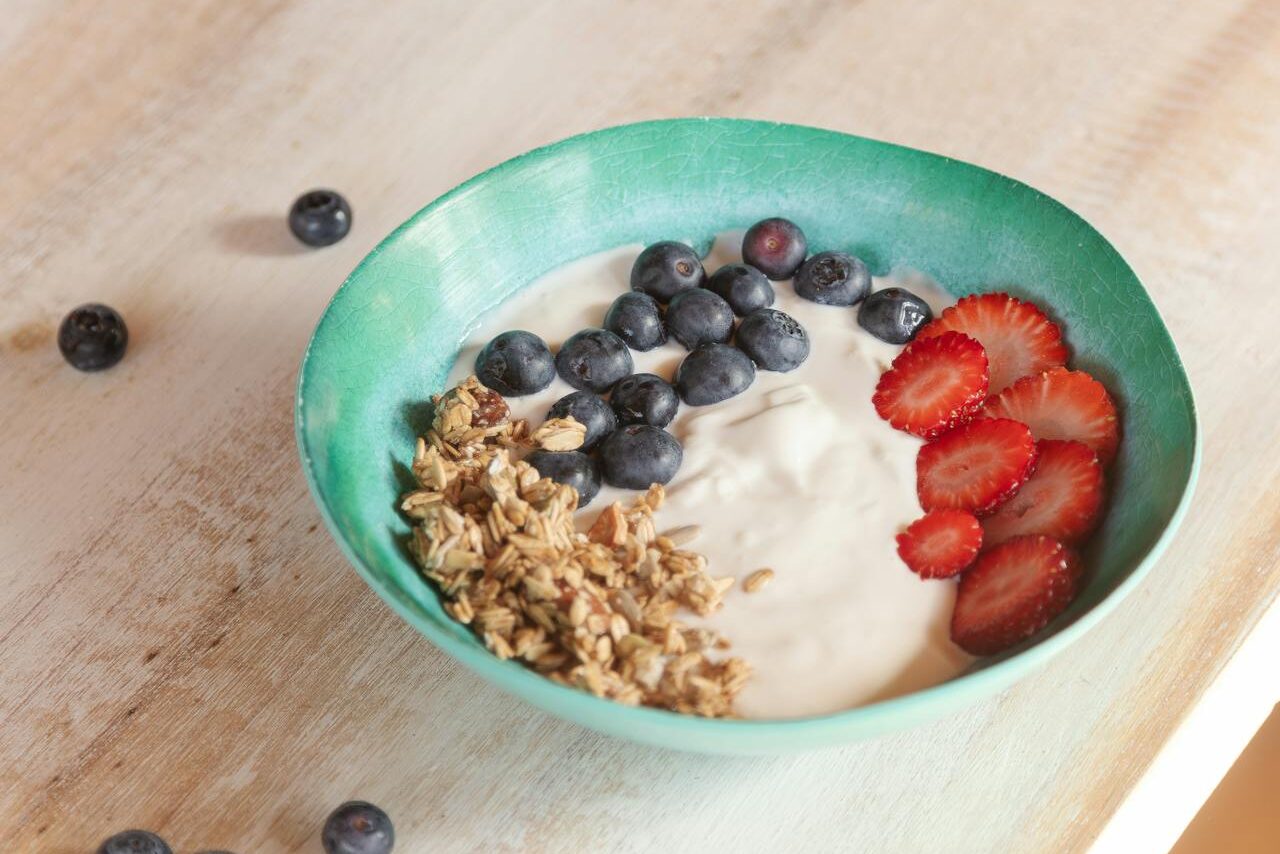
Fermented foods like yogurt, kefir, sauerkraut, kimchi, miso, tempeh, and kombucha contain live microorganisms that can transiently colonize the gut. Your gut health doctor in Charleston might recommend incorporating these foods at mealtimes for optimal microbial diversity.
The Cell Press study mentioned above found that regular consumption of fermented foods produced measurable decreases in 19 inflammatory proteins, including interleukin-17, a cytokine associated with autoimmune and inflammatory conditions.
The benefits of fermented foods appear to extend beyond the probiotics they contain. The fermentation process itself produces bioactive compounds, including organic acids, peptides, and vitamins that support gut health independently of live bacteria.
Probiotics
Probiotic supplements are one of the most commercially successful health products on the market—and one of the most inconsistently studied. The research on probiotics is genuinely complicated by the fact that different strains have profoundly different effects, and most commercial products contain strains selected for survivability and manufacturing convenience rather than clinical efficacy for specific conditions.
That said, several probiotic applications have strong research support. Lactobacillus rhamnosus GG is one of the most studied strains in the world, with well-documented benefits for antibiotic-associated diarrhea, C. difficile prevention, and certain childhood gut conditions.
Saccharomyces boulardii—technically a yeast, not a bacterium—has strong evidence for preventing and treating infectious diarrhea and reducing C. difficile recurrence. Specific multi-strain formulations have shown benefits for irritable bowel syndrome, inflammatory bowel disease, and reducing intestinal permeability markers.
The important caveat is strain specificity. A generic probiotic marketed for “digestive health” may have little to no effect on a specific condition. When you consult our gut health doctor in Charleston, he tailors the strain to your clinical goals after thorough diagnostics. A personalized approach is more likely to produce meaningful results than off-the-shelf supplementation.
Reducing the Drivers of Dysbiosis
Optimizing what you add to the gut is only half the equation. Equally important is reducing the inputs that drive dysbiosis and intestinal permeability in the first place. As such, our gut health doctor in Charleston typically recommends that patients:
- Minimize ultra-processed food consumption, which feeds inflammatory bacteria and lacks the fiber that feeds beneficial ones
- Be judicious about antibiotic use, only taking them when genuinely necessary and always pairing with probiotic support
- Manage chronic psychological stress through evidence-based practices, including exercise, sleep optimization, mindfulness, and social connection
- Limit alcohol consumption, which damages the tight junction proteins and gut lining integrity
- Address medication effects—particularly chronic NSAID use and proton pump inhibitor overuse—in consultation with a physician

Advanced Assessment: Testing Before Treating
One of the most significant advances in clinical gut health over the last decade has been the development of comprehensive stool testing, which analyzes:
- PCR-based microbiome analysis
- Intestinal permeability markers
- Digestive enzyme assessment
- Inflammatory markers
- Pathogen screening
These tests, like the Genova GI kit, enable your gut health doctor in Charleston to move beyond symptom-based treatment toward data-driven, personalized gut protocols.
The principle, again, is precision. Generic gut protocols applied without assessment are far less likely to address the specific pattern of dysfunction present in a given individual. The gut is not one-size-fits-all. Neither is the approach to healing it.
The most effective gut health strategies are not found in a single supplement or a trending diet; they are built on a comprehensive understanding of what is actually happening in that specific person’s gut. Your gut health doctor in Charleston personalizes your wellness plan to address the root causes, not just the symptoms.
The Gist: Your Gut Is the Foundation
The gut microbiome’s centrality to our systemic health is now one of the most robustly supported areas of biomedical science.
The data is no longer preliminary. Clinical evidence is substantial, mechanistically grounded, and growing every year. Today, we can connect gut dysfunction to:
- Immune dysregulation
- Neuroinflammation
- Metabolic disease
- Hormonal imbalance
- Mood disorders
- Neurodegenerative disease
None of this means that every health problem is a gut problem, or that fixing the gut will fix everything.
But it does mean that any serious approach to chronic health issues must evaluate and address gut health to gain a complete understanding of a patient’s wellness.
By optimizing your gut health through diet, lifestyle, and targeted supplementation, your gut health doctor in Charleston enables you to harness powerful strategies for improving your wellness. With thoughtfully implemented therapies, we can support how you feel today and protect your health for decades to come.
Optimize Your Holistic Health
Your gut is not a supporting actor in the story of your health. Increasingly, evidence suggests it plays a leading role. Along with digestion, it is a master regulator of immunity, brain chemistry, hormone balance, and systemic inflammation—and it may be the most important system you are not paying attention to.
As your gut health doctor in Charleston, Dr. Joye is here to help you navigate this highly connected relationship and optimize your holistic wellness, one step at a time.
Go With Your Gut
The gut is a highly connected network that can support optimal health outcomes—or widespread dysfunction. But you don’t have to navigate this complex organ system alone. Optimize your unique microbiome with expert support from our gut health doctor in Charleston.
Note:
This content is provided for educational purposes only and reflects current research and clinical thinking in functional and integrative medicine. It is not a substitute for personalized medical advice. Every person’s biology is different. What works for one individual may not be appropriate for another.
If you are curious about optimizing your gut health, we encourage you to schedule a consultation with our gut health doctor in Charleston.