If you have had COVID-19 and never fully recovered—if the fatigue, brain fog, shortness of breath, joint pain, or nervous system symptoms have lingered for months or even years—you are not imagining it. And you are not alone.
Long COVID, formally defined as symptoms persisting beyond 12 weeks after acute infection, affects an estimated 10 to 30% of people who contract COVID-19. That translates to tens of millions of people worldwide living with a condition that is only partially understood, frequently dismissed in conventional medical settings, and for which there is currently no FDA-approved treatment.
The good news is that the biology of long COVID is becoming clearer. And as it does, a picture is emerging that looks very familiar to practitioners of functional and integrative medicine—one defined by viral persistence, mitochondrial dysfunction, chronic inflammation, immune dysregulation, microbiome disruption, and autonomic nervous system damage.
These are not new problems; they are well-studied biological mechanisms. And there are meaningful, evidence-informed approaches to addressing them. Read on to learn about long COVID and the latest therapeutic advances, or contact the team at InterveneMD to map out your long COVID treatment in Charleston.
What Is Actually Happening in Long COVID?
Understanding why long COVID persists means looking beneath the symptoms to the biological mechanisms driving them. These insights only empower your long COVID treatment in Charleston.
Viral Persistence and Reservoir Reactivation
One of the most significant findings in long COVID research is evidence that SARS-CoV-2 viral fragments—and in some cases intact virus—can persist in tissue reservoirs long after the acute infection has resolved. A 2023 study found viral RNA and protein in multiple tissue sites, including the gut, lymph nodes, and brain, up to 12 months post-infection in some patients.
This viral persistence is thought to drive ongoing immune activation, prompting the immune system to continuously mount responses against the viral antigens it keeps detecting. This chronic immune stimulation contributes to systemic inflammation, immune exhaustion, and the ebbing-and-flowing symptom pattern many long COVID patients describe, where they feel marginally better and then crash again.
There is also evidence that long COVID may trigger latent herpesviruses—particularly Epstein-Barr virus (EBV) and cytomegalovirus (CMV)—in some patients. A 2023 study in Virus Research found significantly elevated EBV reactivation markers in long COVID patients compared to recovered controls, suggesting that COVID-19 may disrupt the immune surveillance that normally keeps these dormant viruses in check.
Mitochondrial Dysfunction
Fatigue is the most universally reported symptom of long COVID. But this isn’t just ordinary tiredness after a poor night’s sleep.
Patients describe a profound, unrelenting exhaustion that does not improve with rest and is dramatically worsened by physical or cognitive exertion, a pattern called post-exertional malaise (PEM). This pattern is the hallmark of mitochondrial dysfunction.
Research from a 2023 article found significant mitochondrial structural and functional abnormalities in the muscle cells of long COVID patients, including:
- Disrupted cristae (mitochondrial) architecture
- Impaired electron transport chain function
- Reduced ATP production capacity
These findings mirror what we see in myalgic encephalomyelitis/chronic fatigue syndrome (ME/CFS), a condition that shares significant overlap with long COVID and is now thought to involve similar mitochondrial pathology.
When mitochondria cannot produce energy efficiently, every cell in the body is affected. But the brain, muscles, and immune system, which are the highest energy consumers, show the most dramatic functional consequences. This explains why long COVID patients often experience brain fog, exercise intolerance, and low immunity simultaneously.

Immune Dysregulation and Chronic Inflammation
A distinctive and persistent pattern of immune dysregulation characterizes long COVID.
Multiple studies have found elevated levels of inflammatory cytokines in long COVID patients months after acute infection. At the same time, there is evidence of T cell exhaustion and reduced natural killer cell function, suggesting the immune system is simultaneously overactivated in some pathways and depleted in others.
A 2023 study in Nature found that long COVID patients showed measurably altered cortisol levels—specifically, significantly lower morning cortisol compared to recovered controls. Cortisol is the body’s primary anti-inflammatory hormone and a key regulator of the stress response and circadian rhythm.
Disrupted cortisol patterns help explain many of the symptoms long COVID patients consistently report, including:
- Fatigue
- Sleep dysfunction
- Inflammatory amplification
- Poor stress resilience
Gut Microbiome Disruption
COVID-19 causes significant gut microbiome disruption during acute infection, and research shows this disruption can persist for months in long COVID patients.
A 2021 study in Gut found that long COVID patients had significantly reduced microbiome diversity and specific depletions in beneficial species, including Faecalibacterium prausnitzii and Bifidobacterium—bacteria known for their anti-inflammatory and immune-regulatory properties.
As discussed in gut health research more broadly, microbiome disruption drives:
- Intestinal permeability
- Systemic inflammation
- Impaired neurotransmitter production
- Immune dysregulation
In the context of long COVID, gut dysfunction may represent both a consequence of the initial infection and an ongoing driver of systemic inflammatory and neurological symptoms.
Autonomic Nervous System Dysfunction
A significant subset of long COVID patients develop dysfunction of the autonomic nervous system. This system is responsible for regulating:
- Heart rate
- Blood pressure
- Digestion
- Temperature regulation
- A host of other involuntary functions
Autonomic nervous system dysfunction manifests most commonly as POTS (postural orthostatic tachycardia syndrome), a condition in which heart rate spikes abnormally upon standing, causing dizziness, palpitations, and near-syncope.
Beyond POTS, autonomic dysfunction in long COVID can present as:
- Dysregulated sweating
- Impaired gastrointestinal muscle contractions, causing constipation, pain, nausea, or weight loss
- Temperature dysregulation
- An exaggerated fight-or-flight response
The vagus nerve within this system—the primary parasympathetic nerve connecting the brain to the gut, heart, and lungs—appears to be particularly vulnerable to COVID-19-related damage, with implications for heart rate variability, gut function, and the inflammatory regulatory role the vagus nerve normally performs.

Why Does Conventional Medicine Fall Short?
The standard medical response to long COVID has largely followed the conventional playbook: refer to the appropriate specialist for each symptom.
→ Fatigue goes to rheumatology or infectious disease.
→ Brain fog goes to neurology.
→ Shortness of breath goes to pulmonology.
→ Heart palpitations go to cardiology.
Each specialist evaluates their domain, often finds nothing definitive on standard testing, and either prescribes symptom management or reassures the patient that their labs are normal.
Segmented Treatment
This approach fails long COVID patients for the same reason it fails patients with many chronic, multi-system conditions: it treats systems as isolated rather than interconnected.
Long COVID is not one condition. It is a cluster of overlapping biological dysfunctions that conventional medicine’s organ-by-organ approach is poorly equipped to address simultaneously.
When we dive deeper, it’s clear that the fatigue is not separate from the gut dysfunction, just as the brain fog is not separate from the mitochondrial failure and the immune dysregulation. These mechanisms are driving each other in a continuous feedback loop—and addressing any one of them in isolation, while ignoring the others, produces limited results.
Incomplete Testing
Standard laboratory panels further compound the problem. Basic metabolic panels, CBC, and even standard inflammatory markers frequently come back within normal ranges in long COVID patients, despite the fact that more sensitive and specific testing reveals significant abnormalities.
Patients who are told their labs are normal and sent home without answers are not being given a clean bill of health. They are being evaluated with the wrong tools.
A Functional Medicine Framework for Long COVID
Functional medicine’s root-cause, systems-based approach is particularly well-suited to long COVID—precisely because long COVID is a root-cause, systems-based problem.
Rather than chasing individual symptoms, a functional medicine evaluation maps the underlying biological terrain:
- Mitochondrial function
- Inflammatory status
- Immune patterns
- Gut health
- Hormonal balance
- Autonomic function
- Nutrient status
Your long COVID treatment in Charleston begins with a thorough consultation, during which the InterveneMD team conducts extensive diagnostics.

Advanced Testing That Actually Reveals the Problem
Comprehensive assessment for long COVID goes well beyond standard panels. Useful investigations include:
- Cytokine panels to assess ongoing inflammatory activation
- Lymphocyte subset analysis to characterize immune dysfunction patterns
- Organic acid testing to evaluate mitochondrial function and cellular energy metabolism
- Comprehensive stool analysis to assess microbiome status and intestinal permeability
- Cortisol and adrenal function testing
- Viral reactivation panels including EBV and CMV antibody titer tests
- Autonomic function testing, including heart rate variability analysis, and
- Advanced nutrient status including glutathione, CoQ10, NAD+ markers, B vitamins, and magnesium
This holistic picture of your health allows for targeted interventions rather than generic symptom management, fostering more effective long COVID treatment. In Charleston, we offer these diagnostics precisely because we understand where traditional medicine falls short, and we refuse to leave patients behind in this care “gap.”
Personalized Therapies
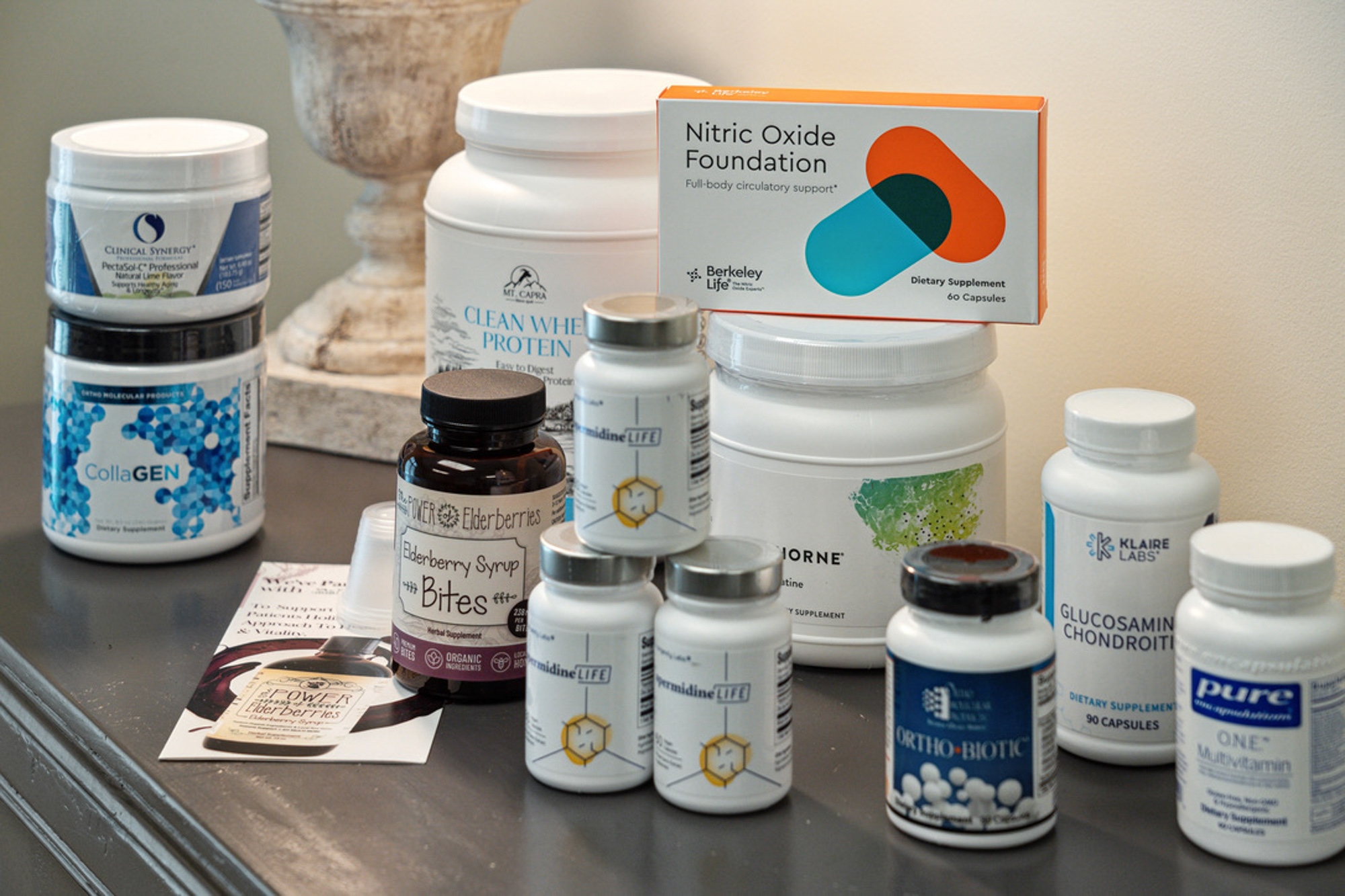
At functional medicine practices like InterveneMD, your providers can personalize your wellness plan to your unique needs, symptoms, and biochemistry. Your long COVID treatment in Charleston might include some combination of nutritional supplements, IV therapy, peptide protocols, or other science-backed interventions.
Mitochondrial Support
Given the central role of mitochondrial dysfunction in long COVID fatigue and post-exertional exhaustion, supporting mitochondrial health is a cornerstone of functional recovery.
Your evidence-based long COVID treatments in Charleston might include:
- CoQ10 (ubiquinol form), which supports electron transport chain function and has been studied specifically in post-viral fatigue
- NAD+ precursor support, given NAD+’s essential role in mitochondrial energy production and its well-documented decline under conditions of inflammatory stress
- L-carnitine, which facilitates fatty acid transport into mitochondria for energy production
- Magnesium, which is required for over 300 enzymatic reactions, including ATP synthesis
- Alpha-lipoic acid, a mitochondrial antioxidant with documented effects on oxidative stress reduction
Gut Restoration
Restoring gut microbiome diversity and intestinal barrier integrity addresses one of the key drivers of ongoing systemic inflammation and immune dysregulation in long COVID.
This involves targeted probiotic therapy based on the specific depletions identified in long COVID research—particularly Lactobacillus and Bifidobacterium strains—alongside:
- Prebiotic fiber to support their growth
- Butyrate supplementation or dietary strategies to support gut barrier repair
- Addressing intestinal permeability (leaky gut) directly through compounds like zinc carnosine, L-glutamine, and deglycyrrhizinated licorice (DGL), which support tight junction restoration
Throughout your long COVID treatment in Charleston, we can take steps to preserve your gut health with curated nutraceuticals and nutritional guidance, supporting inner balance and easing widespread inflammation.
Immune Modulation and Inflammation
Calming the chronic immune activation driving long COVID symptoms without suppressing immune function is a nuanced goal.
Low-dose naltrexone (LDN) has emerged as one of the most promising agents in this area, working through glial cell modulation to reduce neuroinflammation and through toll-like receptor pathways to quiet abnormal immune activation. Multiple case series and small trials have reported significant symptom improvement in long COVID patients on LDN, and larger controlled trials are underway.
Palmitoylethanolamide (PEA), an endogenous lipid mediator with well-documented anti-inflammatory and neuroprotective effects, has also shown promise in post-viral fatigue and neuroinflammatory conditions.
IV infusions of essential nutrients like omega-3 fatty acids, curcumin, and resveratrol offer additional anti-inflammatory support through complementary pathways. These are all options you can discuss with your provider when mapping out your long COVID treatment in Charleston.
Peptide Therapy
Among the most exciting developments in the functional medicine approach to long COVID is the emerging role of therapeutic peptides—and the early clinical results of several compounds are compelling.
As we shape your care at InterveneMD, your practitioner might recommend incorporating therapeutic peptides into your long COVID treatment in Charleston.
Peptide therapy does not suppress the immune system or mask symptoms. Rather, it works by restoring the biological signaling that illness, inflammation, and cellular dysfunction have disrupted—which is precisely the goal in long COVID recovery.
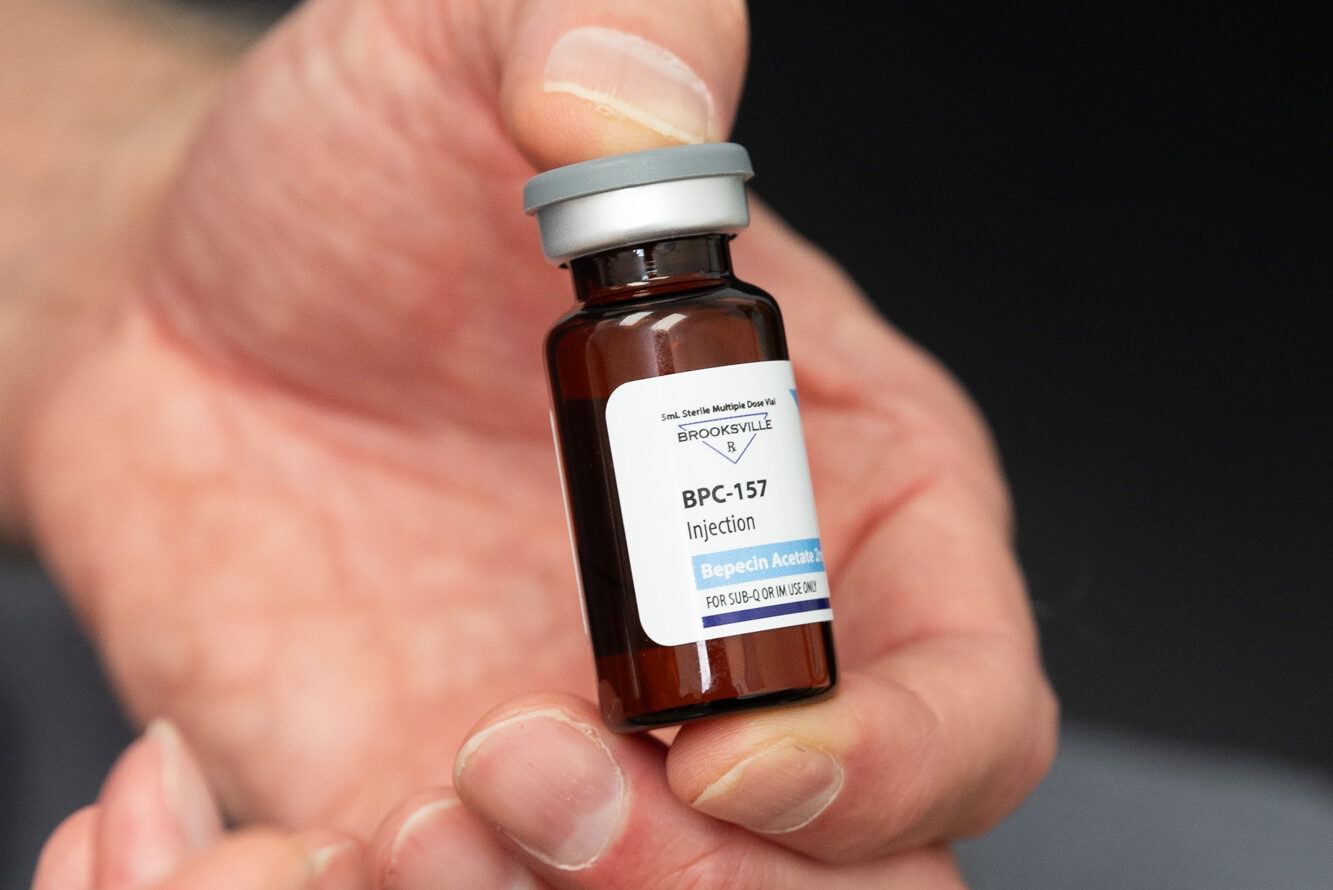
BPC-157: Tissue Repair, Gut Healing, and Autonomic Support
BPC-157 (Body Protection Compound-157) is a synthetic peptide derived from a protein found in gastric juice.
We might weave this peptide protocol into your long COVID treatment in Charleston because it has an extensive preclinical research documenting its effects on tissue repair, gut lining restoration, blood vessel development, and—notably—modulation of the autonomic system and dopamine and serotonin pathways.
For long COVID, BPC-157 is particularly interesting for several reasons:
- Gut-healing properties directly address the intestinal permeability and microbiome disruption that drive systemic inflammation.
- Documented effects on the vagus nerve and autonomic function are directly relevant to the dysautonomia seen in many long COVID patients.
- Anti-inflammatory and tissue repair properties may help address the systemic inflammatory burden.
- Effects on neurotransmitter systems may support the mood, cognitive, and sleep dysregulation that are near-universal in long COVID.
Human clinical trial data on BPC-157 is limited but growing, and clinical practitioners working with long COVID patients have reported meaningful improvements in fatigue, gut symptoms, and autonomic stability with BPC-157 protocols.
Thymosin Alpha-1: Immune Restoration
Thymosin Alpha-1 (Ta1) is a peptide derived from the thymus gland that plays a central role in immune regulation—specifically in the maturation and activation of T cells and the modulation of the innate immune response.
For decades, it has been used clinically around the world to treat chronic viral infections, immune deficiency states, and as an adjunct in cancer treatment.
In the context of long COVID, Ta1 addresses the immune exhaustion and dysregulation that characterizes the condition, helping to restore appropriate T cell function, support viral clearance, and modulate the inflammatory cytokine environment.
A 2021 study published in Clinical Infectious Diseases found that Ta1 treatment in severe COVID-19 patients significantly reduced mortality and improved immune recovery. Its application in long COVID—where immune dysregulation persists beyond acute infection—is a logical extension that is being actively explored by functional and integrative practitioners.
Thymosin Beta-4 and TB-500
Thymosin Beta-4 and its synthetic analog TB-500 are peptides involved in tissue repair, anti-inflammatory signaling, and—importantly—neurological repair and regeneration.
Research has documented their role in promoting blood vessel genesis, reducing fibrotic scarring, and supporting recovery from neurological injury.
TB-500 represents an intriguing area of emerging clinical application for long COVID patients dealing with any of the following concerns:
- Neurological symptoms
- Cognitive impairment
- Tissue damage associated with prolonged inflammation
KPV and Immune-Gut Axis Modulation
KPV is a tripeptide derived from alpha-melanocyte-stimulating hormone (alpha-MSH) with potent anti-inflammatory effects, particularly in the gut.
Research has shown KPV:
- Reduces intestinal inflammation
- Supports gut barrier function
- Modulates the immune response in inflammatory bowel conditions
For long COVID patients with significant gut dysfunction and gut-driven systemic inflammation, KPV offers a targeted, well-tolerated option for reducing the gut-immune inflammatory burden.
Peptide therapy does not suppress the immune system or mask symptoms. It works by restoring the biological signaling that illness, inflammation, and cellular dysfunction have disrupted — which is precisely the goal in long COVID recovery.

The Key Takeaway: Long COVID Requires a New Approach
Long COVID is one of the defining medical challenges of this decade. It is affecting millions of people, degrading quality of life, and straining a healthcare system that was not designed to address multi-system chronic illness rooted in overlapping biological dysfunctions.
The conventional medicine response includes specialist referrals, symptom management, and “normal” lab results. And this is not sufficient for the complexity of what long COVID actually is. The biology is too interconnected, the mechanisms too numerous, and the standard tools too blunt.
A functional medicine approach represents the most coherent and promising framework currently available for long COVID recovery, complete with:
- Comprehensive assessment
- Root-cause identification
- Targeted support for mitochondrial function, gut health, immune regulation, and autonomic recovery
- Emerging peptide protocols that work with the body’s own repair and regulatory systems
When it comes to your long COVID treatment in Charleston, it’s not about miracle cures or experimental guesswork. It is about applying what we know about each system’s biology, cellular medicine, and the body’s remarkable capacity for healing with the precision, personalization, and patience that genuine recovery from a complex condition requires.
Banish Lingering COVID Symptoms Once and for All
Long COVID is not a mystery to functional medicine. It is a multi-system breakdown—and multi-system breakdowns are exactly what root-cause medicine is designed to address.
Relief and restored vitality are possible, even years after your initial infection. Find thoughtful, holistic support with personalized long COVID treatment in Charleston.
Note:
This content is provided for educational purposes only and reflects current research and clinical thinking in functional and integrative medicine. It is not a substitute for personalized medical advice. Every person’s biology is different; what works for one individual may not be appropriate for another.
If you are curious about any of the topics or therapies discussed here, we encourage you to schedule a consultation with a qualified provider who can evaluate your specific needs and goals for long COVID treatment in Charleston.