Most people associate ozone with the atmosphere, or the protective layer that shields Earth from ultraviolet radiation. Fewer people know that for over a century, medical ozone has been used therapeutically in clinical settings around the world.
Ozone therapy remains one of the most misunderstood and underutilized tools in modern medicine—not because the evidence is lacking, but because it falls outside the pharmaceutical paradigm that dominates mainstream healthcare. Because it can’t be patented, it lacks the business appeal necessary to achieve widespread adoption.
And yet, in integrative and functional medicine practices around the world, and in the work of pioneering physicians like Dr. Frank Shallenberger—widely regarded as the nation’s foremost authority on ozone therapy—it is being used daily with compelling clinical results.
In this blog, our leading physician, Dr. Joye, explains what ozone therapy is, its different methods of administration, and what applications each method is best suited for. Keep reading to dive deeper into this therapeutic intervention, or contact InterveneMD to schedule a consultation for ozone therapy in Mt. Pleasant.
What Is Medical Ozone, and How Does It Work?
Ozone (O3) is a molecule consisting of three oxygen atoms. Medical ozone is generated from pure oxygen using specialized ozone generators that split the stable O2 molecule and reform it into O3. You never inhale the resulting gas directly; a practitioner will apply it through a variety of delivery routes that allow it to interact with biological fluids, tissues, and the bloodstream.
The therapeutic effects of ozone are not simply the result of delivering more oxygen to the body, though improved tissue oxygenation is part of the picture. The mechanism is more precise and more interesting than that.
When medical ozone contacts biological fluids like blood, plasma, or tissue, it rapidly reacts to form ozone reaction products like hydrogen peroxide (H2O2) and lipid ozonides.
The Core Mechanisms
These compounds act as signaling molecules that trigger a cascade of beneficial biological responses.
Oxidative Preconditioning
The ozone reaction products—particularly hydrogen peroxide at low, controlled concentrations—activate the body’s antioxidant defense systems, including Nrf2 (nuclear factor erythroid 2-related factor 2), which increases the production of endogenous antioxidants including superoxide dismutase, catalase, and glutathione.
This is a hormetic effect, or a controlled, mild oxidative stress that paradoxically strengthens the body’s overall antioxidant capacity.
Dr. Shallenberger has written extensively on this mechanism, describing ozone therapy as essentially training the body’s own antioxidant and cellular energy systems in the same way that exercise creates beneficial adaptation through controlled physical stress.
Improved Oxygen Metabolism and Mitochondrial Function
Ozone therapy has also been shown to improve the efficiency of oxygen utilization at the mitochondrial level, enhancing ATP production and cellular energy availability.
Dr. Shallenberger developed a specialized breath analysis system to quantify mitochondrial function and oxygen metabolism, and his clinical research has consistently documented improvements in these parameters following ozone therapy.
In Mt. Pleasant, we find that this mechanism is especially relevant for patients dealing with chronic fatigue, post-viral syndromes, and conditions driven by mitochondrial dysfunction.
Direct Antimicrobial Activity
As one of the most potent antimicrobial agents, ozone is effective against bacteria, viruses, fungi, and parasites.
Unlike antibiotics, which target specific bacterial mechanisms, ozone destroys pathogens through oxidative disruption of their cell walls and membranes.
Critically, pathogens cannot develop resistance to ozone the way they develop resistance to antibiotics, because ozone’s mode of action is non-specific oxidative disruption rather than interference with a single biological pathway. Human cells, by contrast, have evolved antioxidant defense systems that protect them from ozone’s oxidative effects at therapeutic doses.
Immune Modulation
Ozone therapy modulates immune function through multiple pathways, stimulating the production and activity of:
- Cytokines, or proteins that help control inflammation
- Neutrophils, or immune-boosting white blood cells
- Macrophages, the first line of defense in your immune system
- Natural killer cells
This process also regulates the balance between pro-inflammatory and anti-inflammatory immune signals.
Bidirectional modulation is one of ozone’s most clinically valuable properties: it can stimulate an underactive immune system while simultaneously helping to regulate an overactive or dysregulated one.
Improved Circulation and Tissue Perfusion
Therapeutic ozone has documented effects on red blood cell shape, increasing the flexibility of red blood cells so they can pass more efficiently through small capillaries and deliver oxygen to tissues.
It also stimulates the production of 2,3-diphosphoglycerate (2,3-DPG), a molecule that facilitates oxygen release from hemoglobin to tissues.
These circulatory effects are particularly relevant to conditions involving poor tissue oxygenation, vascular disease, and impaired wound healing.
Methods of Ozone Delivery: Matching the Approach to the Goal
One reason ozone therapy is so broadly applicable is that it can be delivered through multiple routes, each with distinct mechanisms, strengths, and clinical applications. Understanding the different delivery methods is essential to understanding what ozone therapy can and cannot do.
At InterveneMD, we administer your ozone therapy in Mt. Pleasant intravenously, via targeted injections, or through insufflation.

Major Autohemotherapy (IV Ozone)
Major autohemotherapy—commonly called IV ozone or MAH—is the most systemic and clinically potent form of ozone therapy.
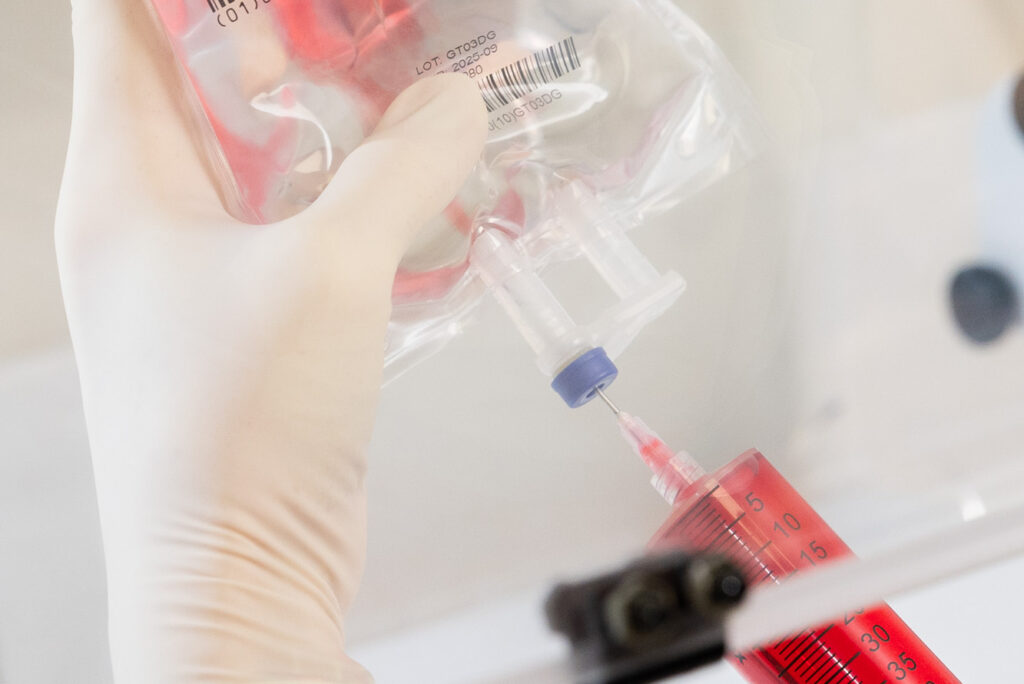
In Mt. Pleasant, your provider begins the procedure by drawing a volume of your blood (typically 100-250 mL) into a sterile IV bag, infusing medical ozone into the blood, and then reinfusing the ozonated blood back into your veins.
The ozone reacts with the blood components during the infusion process, generating the lipid ozonides and hydrogen peroxide-signaling molecules that drive the systemic therapeutic effects.
MAH delivers ozone effects throughout the entire body, making it ideal for treating systemic conditions including:
- Chronic infections
- Immune dysfunction
- Post-viral syndromes, including long COVID
- Cancer support
- Cardiovascular disease
- Systemic inflammatory conditions
It is the method with the deepest clinical research base and the broadest range of documented applications.
Rectal Insufflation
Our regenerative medicine providers can also administer your ozone therapy in Mt. Pleasant via rectal insufflation.
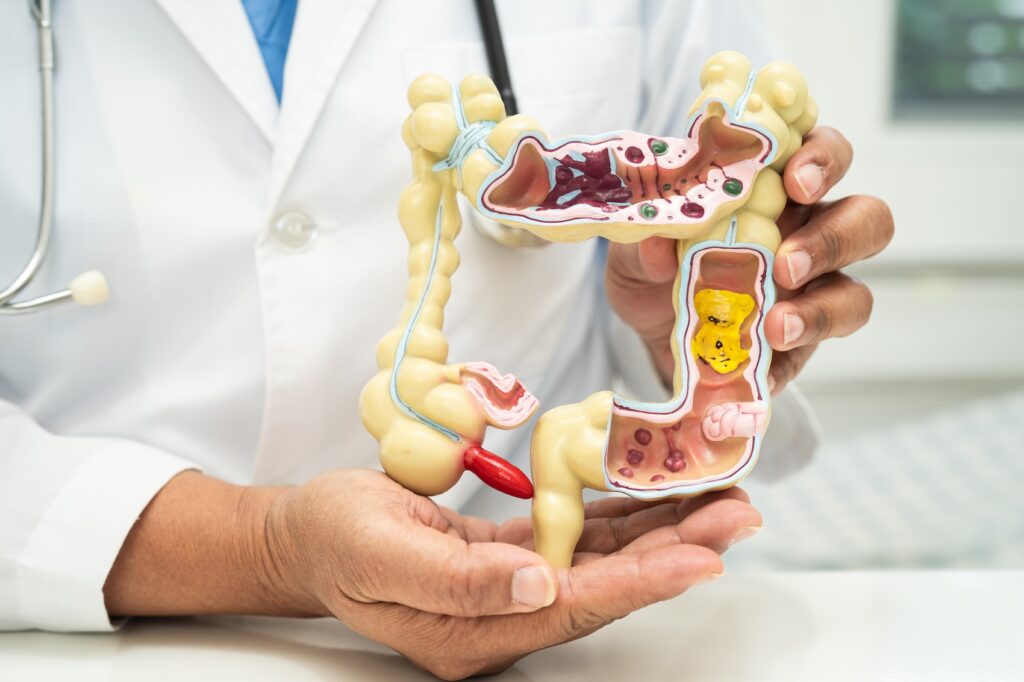
Rectal insufflation involves introducing a controlled volume of medical ozone gas into the rectum, where it is absorbed through the highly vascular rectal mucosa and into the blood supply that flows directly from the intestinal tract to the liver.
This route achieves systemic ozone absorption without intravenous access, considered by many practitioners to be the closest non-invasive approximation to IV ozone in terms of systemic effect.
Rectal insufflation is particularly well-suited for gut health applications, directly delivering ozone’s antimicrobial and anti-inflammatory effects to the colon and supporting gut microbiome rebalancing in cases of dysbiosis, inflammatory bowel conditions, and chronic gut infections.
The procedure is simple, well-tolerated, and has an excellent safety profile. It is one of the most widely used ozone delivery methods globally, particularly in European ozone medicine practice.
Vaginal Insufflation
Similarly, we offer vaginal insufflation ozone therapy in Mt. Pleasant. This method delivers ozone directly to the vaginal canal and adjacent tissues, where it exerts local antimicrobial and anti-inflammatory effects.
It is used clinically for chronic vaginal infections, including:
- Bacterial vaginosis
- Recurrent yeast infections
- Pelvic inflammatory conditions
- HPV-associated cervical dysplasia
- As a component of pelvic floor health protocols
Ear Insufflation
Ear insufflation, another popular means of administering ozone therapy in Mt. Pleasant, delivers ozone into the ear canal, where it can reach the Eustachian tube and sinus passages.
Our practitioners often use this approach for chronic ear infections, sinusitis, and as a gentler systemic delivery method for patients who are not candidates for other routes.
Prolozone Therapy
Prolozone is a distinct application developed and pioneered by Dr. Shallenberger that combines the principles of prolotherapy—injection of a proliferant solution to stimulate tissue repair—with the addition of ozone.
The protocol typically involves injecting a combination of vitamins, minerals, homeopathic compounds, local anesthetic, and ozone directly into damaged joints, ligaments, tendons, and other musculoskeletal structures.
The ozone component of prolozone serves multiple functions:
- Stimulates fibroblast proliferation and collagen synthesis at the injection site
- Reduces inflammatory cytokine activity in the joint space
- Improves local circulation and oxygen delivery to hypoxic tissue
- Activates stem cell-like repair mechanisms in the surrounding tissue
The net effect is a regenerative response that addresses the root cause of joint pain—tissue degeneration and inadequate repair—rather than simply suppressing the symptoms.
Dr. Shallenberger has published extensively on prolozone, reporting high rates of pain resolution and functional improvement across a range of musculoskeletal conditions, including:
- Knee osteoarthritis
- Hip pain
- Shoulder injuries
- Spinal degeneration
- Ligament instability
Clinical Applications: Where the Evidence Is Most Compelling
Each method of therapeutic ozone delivery comes with a host of health benefits. If you hope to further optimize your wellness, your InterveneMD provider may recommend ozone therapy in Mt. Pleasant. We often advise consistent ozone treatments to foster:
- Improved immune function
- Reduced inflammation
- Enhanced cognition
- Higher energy levels
Immune System Enhancement and Chronic Infections
The immune-modulating properties of ozone therapy make it one of the most broadly applicable tools in integrative medicine’s arsenal for chronic and treatment-resistant infections.
Ozone’s direct antimicrobial activity, combined with its ability to stimulate immune cell function and improve tissue oxygenation in the hypoxic environments where many pathogens thrive, creates a multi-mechanism approach to infection that works through fundamentally different pathways than conventional antibiotics and antivirals.
Your InterveneMD provider might recommend ozone therapy in Mt. Pleasant if you continue to battle infections that have proven resistant or recurrent under conventional treatment. These might include:
- Chronic Lyme disease and tick-borne co-infections
- Epstein-Barr virus reactivation
- Cytomegalovirus
- Chronic sinusitis driven by biofilm-forming bacteria
- Recurrent urinary tract infections
- Parasitic infections
Many of these organisms are good at evading the immune system and survive in low-oxygen environments where antibiotic penetration is poor. Ozone addresses both concerns simultaneously, improving tissue oxygenation and immune surveillance while directly disrupting pathogen viability through oxidative mechanisms.
Long COVID
Long COVID represents one of the most important and timely applications for ozone therapy, and the biological rationale is compelling. This chronic condition is driven by widespread systemic dysfunction throughout the body.
Our providers find that ozone therapy can directly address these concerns:
- Viral persistence and lingering infections
- Mitochondrial dysfunction, contributing to low energy
- Chronic systemic inflammation
- Impaired tissue oxygenation
- Autonomic nervous system dysregulation
Multiple case series and small clinical studies from European ozone medicine centers have reported significant improvements in long COVID patients treated with IV ozone protocols, including improvements in fatigue, cognitive function, breathlessness, and exercise tolerance.
The combination of ozone therapy’s direct antiviral activity, its mitochondrial-stimulating effects, its anti-inflammatory and immune-modulating properties, and its documented improvements in oxygen utilization addresses long COVID’s pathophysiology at multiple levels simultaneously, presenting a significant advantage over single-mechanism interventions.

Brain Health, Cognitive Function, and Aging
The connection between ozone therapy and brain health operates through several combined forces.
Neuroinflammation—driven by systemic inflammation, poor cerebral circulation, mitochondrial dysfunction, and immune dysregulation—is now understood to be a central driver of cognitive aging, brain fog, and neurodegenerative disease. Ozone therapy addresses each of these upstream drivers.
Improved cerebral circulation is one of the most clinically relevant effects. Ozone’s documented effects on red blood cell deformability and 2,3-DPG production improve oxygen delivery to brain tissue. Improved oxygen delivery to neurons directly supports cognitive function and neuroprotection.
Dr. Shallenberger’s research on ozone therapy and mitochondrial function is particularly relevant here. He has documented that ozone therapy measurably improves the efficiency of mitochondrial oxygen utilization. And since neurons are among the highest energy-consuming cells in the body and the most vulnerable to mitochondrial dysfunction, this effect has direct implications for cognitive health and the prevention of neurodegenerative disease.
The Nrf2 activation triggered by ozone’s oxidative preconditioning effect jump-starts antioxidant systems in the brain, including glutathione, the brain’s primary antioxidant defense. Glutathione depletion is consistently documented in Alzheimer’s and Parkinson’s disease, and strategies that support its production represent a meaningful neuroprotective approach.
Our clinical practitioners using ozone therapy in Mt. Pleasant for aging and brain health protocols frequently report patients’ improvements in mental clarity, memory, energy, and mood—observations consistent with the underlying improvements in cerebral oxygenation, neuroinflammation, and mitochondrial function.
Cancer Support and Adjunctive Oncology
The use of ozone therapy in cancer care is one of the most nuanced and clinically important areas of ozone medicine—and one that requires careful framing.
Ozone therapy does not directly destroy tumors or replace standard oncological care. Its role is as an adjunct, or a supportive therapy that addresses several of the biological vulnerabilities that cancer exploits and that conventional treatment often worsens.
Responding to Metabolic Shifts
Cancer cells are characterized by a phenomenon called the Warburg effect—a preferential reliance on anaerobic (oxygen-independent) glycolysis for energy production, even in the presence of oxygen.
This metabolic shift means cancer cells adapt to (and in some ways thrive in) low-oxygen environments. Ozone therapy’s ability to improve tissue oxygenation and enhance mitochondrial oxidative phosphorylation creates an environment that is less hospitable to cancer’s preferred metabolic state, while simultaneously supporting the healthy cells that are often devastated by the oxidative stress of chemotherapy and radiation.
Boosting Immune Response
The immune-stimulating effects of ozone therapy are particularly relevant in oncology.
Cancer’s progression depends significantly on its ability to evade immune surveillance, suppressing natural killer cell activity and dysregulating T cell function. Ozone therapy has documented effects on natural killer cell activation and immune function restoration that are directly relevant to this dynamic.
Multiple European oncology centers have incorporated ozone therapy as an adjunct to chemotherapy, reporting improvements in quality of life, reductions in chemotherapy-associated fatigue and immune suppression, and better tolerance of treatment.
Ozone’s ability to selectively protect normal cells through Nrf2-mediated antioxidant upregulation—while not providing the same protection to cancer cells, which have disrupted antioxidant systems—is a key rationale for this application.
It is important to note that ozone therapy in Mt. Pleasant must be coordinated with the treating oncologist and tailored to the specific cancer type, treatment protocol, and patient status. It is a supportive tool, not a standalone intervention.
Used appropriately, the evidence supports its potential to improve quality of life and treatment tolerance in a population that is often significantly underserved by the supportive care options available in conventional oncology.
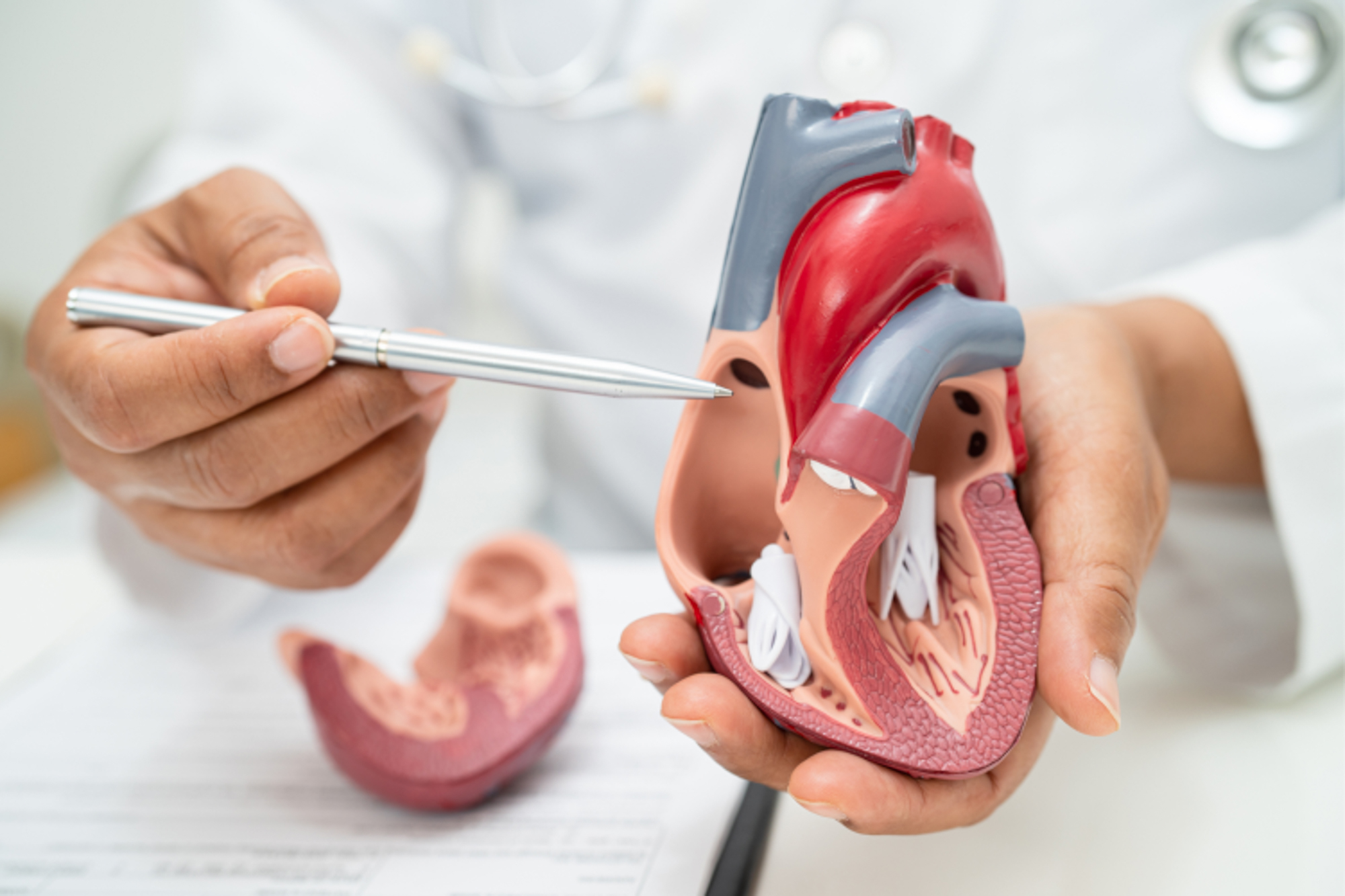
Cardiovascular Disease and Metabolic Health
Ozone therapy has a significant body of research supporting its use in cardiovascular and metabolic disease.
Its effects on red blood cell malleability, circulation, and tissue oxygenation make it clinically relevant for peripheral artery disease—a condition characterized by inadequate oxygen delivery to limb tissues—where it has been used to prevent amputation in cases where conventional interventions have been exhausted.
In metabolic disease, ozone therapy’s ability to improve mitochondrial function and insulin sensitivity has been documented in both animal models and human studies.
Its anti-inflammatory effects address the chronic inflammatory burden that is central to cardiovascular risk. And its activation of endogenous antioxidant systems reduces oxidative stress, one of the primary mechanisms driving atherosclerosis and vascular aging.
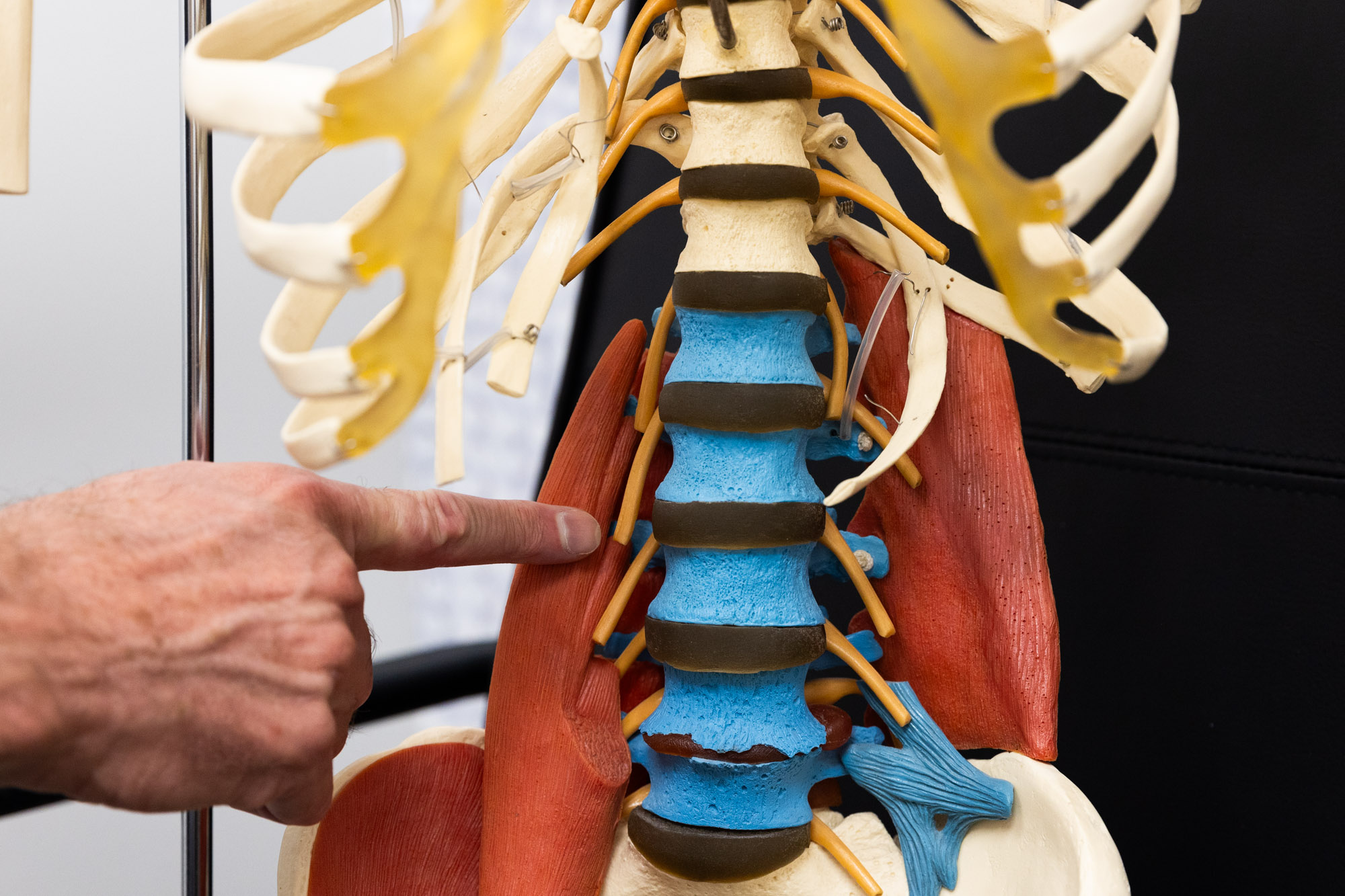
Musculoskeletal Pain and Joint Degeneration
Beyond prolozone injections, ozone therapy has broader applications in musculoskeletal medicine. Your InterveneMD provider might advise systemic IV ozone therapy in Mt. Pleasant to support the following musculoskeletal health benefits:
- Reducing the inflammatory cytokine burden that drives joint pain and accelerates cartilage degradation.
- Improving tissue oxygenation to promote the repair capacity of structures like cartilage and intervertebral discs that are particularly vulnerable to degeneration.
- Stimulation of endogenous antioxidant systems to reduce oxidative stress that accelerates joint tissue aging.
Patients dealing with osteoarthritis, spinal degeneration, chronic tendon injuries, and inflammatory joint conditions might benefit from a combined approach. Together, systemic IV ozone can reduce the inflammatory burden and improve cellular health, with prolozone injections targeting the specific damaged structures.
This treatment regimen represents a comprehensive regenerative approach to musculoskeletal disease that addresses both the local pathology and its systemic drivers.
Safety Profile: What the Evidence Shows
One of the most common questions we receive from patients considering ozone therapy in Mt. Pleasant is whether it is safe.
The answer, based on over a century of clinical use and a substantial body of published research, is that medical ozone therapy administered by a trained practitioner using proper equipment and protocols has an excellent safety profile.
A landmark safety analysis by Jacobs et al., reviewed over 5 million ozone treatments administered to more than 300,000 patients across German-speaking countries and documented an adverse event rate of 0.0007 per application—making it one of the safest medical interventions in recorded clinical practice.
The critical distinction is between medical ozone administered in precise, therapeutic doses through appropriate routes by trained practitioners using certified equipment—and ozone as an environmental pollutant.
Inhaled ozone at ambient environmental concentrations is harmful to the respiratory tract. This is entirely distinct from medical ozone’s delivery routes, which are specifically designed to avoid direct inhalation.
Dr. Shallenberger, through the American Academy of Ozonotherapy, has been instrumental in establishing training standards and clinical protocols that define safe, effective practice in ozone medicine in the United States, providing a framework that allows practitioners like ours to deliver ozone therapy in Mt. Pleasant with confidence in its safety and efficacy.
Over 5 million documented ozone treatments. An adverse event rate of 0.0007 per application. A safety profile that exceeds most pharmaceutical interventions. The question is not whether ozone therapy is safe—it is why it remains so underutilized.
The Bottom Line: A Therapy Whose Time Has Come
Ozone therapy sits at an interesting crossroads in medicine. It has a longer clinical history than most pharmaceutical interventions currently in use. Its mechanisms of action are well-understood at a biological level. Its safety profile is outstanding.
And ozone therapy’s range of application—from chronic infections and immune dysfunction to brain health, cancer support, joint regeneration, and post-viral recovery—reflects the breadth of the biological systems it influences.
What ozone therapy lacks is the pharmaceutical industry infrastructure that drives adoption in mainstream medicine. It cannot be patented. It does not generate the revenue streams that motivate large-scale trial funding. And it requires training, equipment, and clinical judgment that cannot be reduced to a prescription pad.
For practitioners working in functional and integrative medicine, these limitations are not barriers. The evidence that exists, the century of clinical experience, the work of pioneers like Dr. Frank Shallenberger, and the biological logic of a therapy that works with the body’s own repair and regulatory systems rather than overriding them—all of it points in the same direction.
Ozone therapy is not a fringe treatment. It is not pseudoscience. It is a well-grounded medical intervention that works through understood mechanisms to address the kinds of multi-system biological dysfunction that define the most challenging conditions in modern medicine.

Enhance Your Quality of Life With Proven Ozone Therapy
If you have exhausted conventional treatment options or seek a more proactive approach to health and aging, therapeutic ozone deserves a central place in your care experience.
Plan your ozone therapy in Mt. Pleasant and feel the lasting difference in your wellness.
Note:
This content is provided for educational purposes only and reflects current research and clinical thinking in functional and integrative medicine. It is not a substitute for personalized medical advice. Every person’s biology is different. What works for one individual may not be appropriate for another.
If you are curious about how we administer ozone therapy in Mt. Pleasant, we encourage you to schedule a consultation with a qualified provider who can evaluate your specific needs and goals.